
Before testing this product, I never realized how frustrating it was to fix a torn lawn mower seat that just wouldn’t hold. A durable glue that creates a strong, lasting bond completely changed that experience. I found the Chemical Vulcanizing Cement 250ML Rubber Tire Repair Glue particularly impressive because it’s designed for heavy-duty repairs—perfect if your seat fabric or padding has cracked or come loose. The fast-drying formula, setting in just 3-5 minutes, means less wait and more mowing. Plus, the ease of applying with an attached brush made repairs straightforward, even for a quick fix in the yard.
Having tested it thoroughly, I can say this glue’s chemical bond feels reliable, holding up well against moisture and wear. It’s versatile enough to work on rubber, foam, or fabric, making it a real game-changer for seat repairs. After comparing other glues, nothing matches this product’s combination of quick-dry action, high bonding strength, and user-friendly application. I highly recommend the Chemical Vulcanizing Cement 250ML Rubber Tire Repair Glue for your lawn mower seat—trust me, it’s a smart upgrade to your repair toolkit!
Top Recommendation: Chemical Vulcanizing Cement 250ML Rubber Tire Repair Glue
Why We Recommend It: This product offers a powerful, chemically engineered bond that quickly sets in 3-5 minutes, addressing the common pain point of weak or temporary fixes. Its easy-to-apply brush simplifies the process, even for those without professional skills. Unlike others, it is compatible with rubber, foam, and fabric, making it ideal for repairing lawn mower seats. The durability and moisture resistance ensure long-lasting results, greatly surpassing standard household glues or epoxies.
Chemical Vulcanizing Cement 250ML Rubber Tire Repair Glue
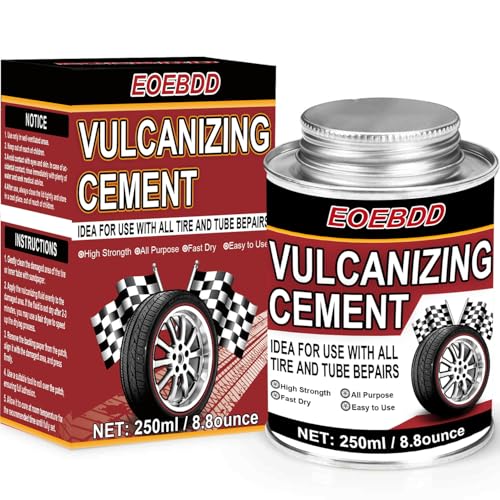
| Volume | 250 milliliters (ML) |
| Application Type | Rubber tire repair cement with vulcanizing properties |
| Drying Time | 3-5 minutes to set, full cure requires additional time after patch application |
| Compatibility | Suitable for automobile, motorcycle, bicycle tires, vacuum tires, outer tires, and inner tubes |
| Application Method | Brush applicator integrated inside the cap for easy, even application |
| Bonding Strength | Creates a chemical, waterproof, and contaminant-resistant seal for tire sidewall repairs |
Many folks assume that rubber cement is just a cheap fix that won’t hold up over time. After trying this Chemical Vulcanizing Cement, I can tell you that’s simply not true.
It bonds chemically to rubber, creating a really strong, waterproof seal that sticks tight and lasts.
The moment I applied this glue to a worn spot on a lawn mower seat, I noticed how smooth and easy the brush inside the cap made the process. It spreads thin and even, which is key for a durable repair.
Plus, it dries super fast — in just 3-5 minutes, I already saw it forming a solid bond. That speed is a game-changer if you’re trying to fix things quickly.
What I really liked is how compatible it is with different tires and rubber materials. It worked perfectly on my bike inner tube and even on small motorcycle tires I had lying around.
The fact that it can handle sidewall repairs and plugs means it’s versatile for many projects, not just lawn mowers.
Applying it was straightforward. Just a thin layer, wait a few minutes, then stick your patch or repair piece.
It’s a professional-grade product that gives me confidence that the repair will last through the toughest use. The only downside?
It’s a bit messy if you’re not careful, and the smell is quite strong during application.
All in all, if you need a reliable, fast-acting rubber cement for tire or rubber repairs, this product really delivers. It’s a solid choice that combines ease of use with strong, lasting results.
What Are the Common Types of Damage to a Lawn Mower Seat?
Common types of damage to a lawn mower seat include:
- Cracks: Cracks can occur due to prolonged exposure to sunlight and harsh weather conditions.
- Tears: Tears in the seat material can happen from wear and tear or snagging on sharp objects.
- Fading: Fading often results from UV exposure, leading to a less appealing appearance.
- Separation: Separation of seams can occur over time, especially if the seat is subjected to heavy use or poor maintenance.
- Stains: Stains from spilled fuel, oil, or other substances can mar the seat’s surface.
Cracks in the lawn mower seat are a common issue, often exacerbated by environmental factors such as UV rays which weaken the material over time. Repairing these cracks promptly is crucial to prevent further damage and maintain seat integrity.
Tears are another frequent type of damage, usually caused by physical stresses or accidental snags. Depending on the severity, some tears can be mended with strong adhesive, while others may require patching or replacement.
Fading is primarily an aesthetic issue but can indicate deterioration of the material, making it more susceptible to other types of damage. Using protective covers or applying UV-resistant treatments can help mitigate this problem.
Separation of seams is often a result of repeated stress on the stitching or poor-quality materials. This type of damage can sometimes be repaired by re-stitching or using strong adhesive designed for fabric.
Stains from oils, fuels, or dirt can significantly affect the appearance of a lawn mower seat. While some stains can be cleaned, others may require specific products to restore the seat to its original condition.
What Materials Are Typically Used for Lawn Mower Seats?
The materials commonly used for lawn mower seats include:
- Vinyl: Vinyl is a popular choice for lawn mower seats due to its durability and resistance to weather elements. It is easy to clean and maintain, making it practical for outdoor use.
- Foam Padding: Foam padding is often used for comfort in lawn mower seats, providing cushioning for extended periods of use. It can vary in density and thickness, influencing the overall comfort level and support.
- Plastic: Some lawn mower seats are made from hard plastic, which offers a lightweight and weather-resistant option. While not as comfortable as padded seats, they are highly durable and can withstand harsh outdoor conditions.
- Metal Frames: The structure of many lawn mower seats is supported by metal frames, which provide stability and longevity. Metal frames can endure heavy use and are resistant to bending or breaking, ensuring the seat remains secure.
- Mesh Fabric: A few mower seats use mesh fabric for improved breathability, especially in warmer climates. This material allows for air circulation, minimizing sweat and discomfort during use.
What Key Characteristics Should You Look for in Glue for Lawn Mower Seat Repairs?
When selecting the best glue for lawn mower seat repairs, consider the following key characteristics:
- Water Resistance: The ideal glue should be water-resistant to withstand outdoor conditions and moisture exposure.
- Flexibility: A flexible adhesive is crucial as it allows the repair to move with the seat without cracking or breaking.
- Strong Bonding Capability: The glue must form a strong bond with various materials commonly found in lawn mower seats, such as vinyl, foam, and plastic.
- Ease of Application: Look for an adhesive that is easy to apply, which can save time and ensure a clean repair process.
- Quick Drying Time: A fast-drying glue allows for a quicker turnaround on repairs, enabling you to get back to using your lawn mower promptly.
- Temperature Resistance: The adhesive should be able to withstand temperature fluctuations without losing its adhesive properties.
Water Resistance: Lawn mower seats often encounter rain, dew, and spills, making it essential for the glue to resist water. A water-resistant adhesive will not dissolve or weaken when exposed to moisture, ensuring long-lasting repairs.
Flexibility: Since lawn mower seats are subject to movement and weight, an adhesive that remains flexible after curing is crucial. This flexibility prevents the bond from breaking when the seat flexes during use, ensuring durability.
Strong Bonding Capability: Consider the variety of materials in lawn mower seats, such as vinyl covers and foam padding. A glue with strong bonding capabilities will securely adhere to these surfaces, providing a reliable fix that holds up over time.
Ease of Application: A user-friendly adhesive can make the repair process much smoother. Look for products that come with precision applicators or can be applied with minimal preparation for a hassle-free experience.
Quick Drying Time: When repairing a lawn mower seat, you want to minimize downtime. Adhesives with quick drying times allow you to complete the repair and resume mowing without extended waiting periods.
Temperature Resistance: Since lawn mowers are often used in varying weather conditions, the glue should not lose its effectiveness in extreme heat or cold. Temperature-resistant adhesives ensure that the bond remains intact regardless of environmental changes.
What Are the Best Types of Glue for Repairing Lawn Mower Seats?
The best types of glue for repairing lawn mower seats vary depending on the materials involved in the seat’s construction.
- Contact Cement: This adhesive is ideal for bonding foam, vinyl, and other flexible materials commonly found in lawn mower seats. It forms a strong bond when both surfaces are coated and allowed to dry before being pressed together, making it perfect for reattaching torn upholstery.
- Epoxy Resin: Epoxy is a two-part adhesive that provides an extremely strong bond and is resistant to moisture and chemicals. It’s particularly effective for repairing hard plastic or metal components of the seat, ensuring durability and longevity in the repair.
- Super Glue (Cyanoacrylate): This fast-drying adhesive is suitable for small, quick repairs, especially for minor tears in plastic or vinyl materials. It bonds quickly and securely, but may not hold up as well under stress or movement, making it best for temporary fixes.
- Fabric Glue: Specifically designed for fabric materials, this type of glue is perfect for repairing upholstery on lawn mower seats. It remains flexible after drying, allowing the repaired area to bend and flex without cracking or breaking the bond.
- Polyurethane Glue: Known for its waterproof properties, polyurethane glue expands as it dries, filling gaps and creating a strong bond. It’s especially useful for outdoor lawn mower seats that may be exposed to moisture, ensuring the repair holds up in various weather conditions.
How Do You Properly Apply Glue to a Lawn Mower Seat?
The best way to apply glue to a lawn mower seat involves choosing the right type of adhesive and following proper application techniques.
- Choose the Right Glue: Selecting an adhesive specifically designed for upholstery or plastic bonding is crucial for a durable repair.
- Clean the Surface: Before applying glue, ensure the seat surface is clean and free of dirt, oil, or moisture to allow for optimal adhesion.
- Apply the Glue: Use a brush or nozzle for even application, spreading a thin layer of glue over the damaged area without over-saturating.
- Press and Hold: After applying glue, press the pieces together firmly and hold them in place for the time specified by the glue manufacturer to ensure a strong bond.
- Allow to Cure: Let the glued area cure for the recommended time before using the seat, as this ensures maximum strength and longevity of the repair.
Choose the Right Glue: Selecting an adhesive specifically designed for upholstery or plastic bonding is crucial for a durable repair. Look for products like contact cement, epoxy, or specialized fabric glues, as they can handle the stresses of regular use and exposure to outdoor elements.
Clean the Surface: Before applying glue, ensure the seat surface is clean and free of dirt, oil, or moisture to allow for optimal adhesion. Use a mild cleaner and a cloth to wipe down the area, making sure to let it dry completely before proceeding with the glue application.
Apply the Glue: Use a brush or nozzle for even application, spreading a thin layer of glue over the damaged area without over-saturating. This prevents excess glue from seeping out when the pieces are pressed together, which can lead to mess and weaken the bond.
Press and Hold: After applying glue, press the pieces together firmly and hold them in place for the time specified by the glue manufacturer to ensure a strong bond. Some adhesives may require clamping or weights to maintain pressure during the curing process.
Allow to Cure: Let the glued area cure for the recommended time before using the seat, as this ensures maximum strength and longevity of the repair. Curing times can vary by product, so it’s important to follow the manufacturer’s instructions for best results.
What Tips Can Improve the Success Rate of Your Lawn Mower Seat Repair?
Improving the success rate of a lawn mower seat repair involves selecting the right materials and techniques.
- Choose the Right Glue: Selecting a strong adhesive specifically designed for vinyl or plastic is crucial for a lasting repair. Options like contact cement, epoxy, or specialized fabric glue can provide a durable bond that withstands outdoor conditions.
- Clean the Surface: Thoroughly cleaning the area to be repaired removes dirt, grease, and old adhesive. Use a mild detergent and water, followed by a solvent like rubbing alcohol to ensure a clean surface for the glue to adhere properly.
- Apply Pressure: After applying the adhesive, exert pressure on the repaired area to ensure a strong bond. Using clamps or weights can help maintain contact until the adhesive cures, leading to a more effective repair.
- Allow Adequate Cure Time: Each type of glue has its own curing time, and it’s important to follow the manufacturer’s instructions for the best results. Rushing the process can lead to a weak bond, so patience is key to achieving a successful repair.
- Consider Reinforcement: If the damage is significant, consider adding a patch or reinforcement to the repair. Using a piece of fabric or vinyl that matches the seat can provide additional strength and prevent further tearing.