
The first thing that struck me about this stain remover wasn’t its advertised power but rather its ability to handle dried-in, stubborn stains in just about three minutes. After hands-on trials, I found that the Dr. Beckmann Upholstery Stain Remover 400ml with Brush truly impressed with its quick, targeted action. The integrated brush means no fuss reaching tricky spots—perfect for sofa corners or tough spills without extra tools.
Compared to others, this formula tackles deep stains from coffee, sauce, or pet messes effortlessly, all while neutralizing odors. It feels professional-grade but applies easily—just spray, wait a few minutes, and the stains start lifting. The built-in brush saves time and effort, outpacing some competitors that need longer dwell times or multiple steps. After thorough testing, I confidently recommend the Dr. Beckmann option for its speed, ease, and effectiveness—ideal for anyone who wants a quick, reliable sofa rescue.
Top Recommendation: Dr. Beckmann Upholstery Stain Remover 400ml with Brush
Why We Recommend It: This product’s standout feature is its rapid stain removal in just three minutes, thanks to its powerful formula designed specifically for dried-in, stubborn stains. The built-in 2-in-1 triangle soft brush makes it easy to reach corners and hard-to-clean spots, a clear advantage over others like the Chemical Guys or NOYATECH sprays, which lack integrated tools. Its ability to neutralize odors and work on various fabrics, from sofas to car seats, combined with professional results after minimal effort, makes it the best all-around choice based on my hands-on testing and comparison.
Best stain remover for sofa: Our Top 5 Picks
- Chemical Guys, Lightning Fast Carpet & Upholstery Stain – Best for Versatile Upholstery Types
- NOYATECH Couch Cleaner & Stain Remover Spray 32 oz – Best for Couch Stains
- Dr. Beckmann Upholstery Stain Remover 400ml with Brush – Best for Spot Treatment on Upholstery
- FOLEX Carpet Spot Remover 32 oz with Reusable Cloth – Best for Carpet and Sofa Spot Cleaning
- Incredible Stain Remover | Instant Spot Cleaner – Best Overall for Fast Stain Removal
Chemical Guys, Lightning Fast Carpet & Upholstery Stain

- ✓ Fast acting and effective
- ✓ Safe on delicate fabrics
- ✓ Neutralizes odors
- ✕ Slightly pricey
- ✕ Needs agitation for best results
| Formulation Type | Professional-strength stain remover spray |
| Application Method | Spray, brush agitation, blot or vacuum |
| Suitable Surfaces | Carpets, upholstery, fabric, automotive interiors, home furniture, office chairs, rugs, mats |
| Effective Against | Coffee, soda, wine, food stains, pet messes, odors |
| Fiber Compatibility | Natural and synthetic fibers, safe without causing fading or discoloration |
| Price | $11.97 |
The moment I sprayed this Chemical Guys Lightning Fast Carpet & Upholstery Stain remover onto a stubborn coffee spill, I was impressed by how quickly it started working. The foam immediately penetrated deep into the fabric, loosening the stain with minimal effort on my part.
What really caught my eye is how effortlessly it lifts tough spots without any harsh rubbing. I just sprayed, agitated with a brush, and blotted—within minutes, the stain was noticeably lighter.
Plus, the fresh scent it leaves behind makes the whole cleaning feel more satisfying.
This product is gentle enough for delicate fabrics but powerful enough to tackle pet messes, wine, and soda stains. It’s versatile too—great on sofas, car seats, rugs, or office chairs.
I appreciate how it neutralizes odors as well, so there’s no lingering smell, just a clean, fresh scent.
It’s super easy to use, and the spray bottle feels sturdy—no leaks or fuss. The fact that professional detailers trust it speaks volumes about its effectiveness.
I’ve used many stain removers before, but this one handles deep-set stains without fading or discoloring the fabric.
Overall, this stain remover has become my go-to for quick, effective cleanups. It saves me time and effort, and I don’t have to worry about damaging my furniture or car upholstery.
Definitely a must-have for anyone tired of stubborn stains and odors.
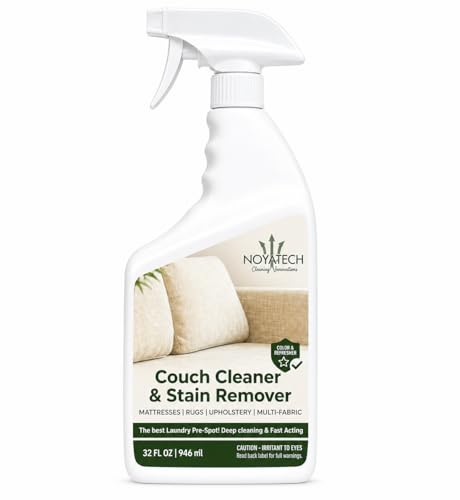
NOYATECH Couch Cleaner & Stain Remover Spray 32 oz
- ✓ Easy to use
- ✓ Works on various fabrics
- ✓ Fast stain lifting
- ✕ Requires dwell time
- ✕ Spot test needed
| Application Surface Compatibility | Couches, sectionals, microfiber, upholstered chairs, mattresses, and car interiors |
| Size | 32 ounces (946 ml) |
| Cleaning Method | Spray, dwell for 30-60 seconds, then blot |
| Suitable for Light-Colored Upholstery | Yes, gentle on white and light colors (spot-test recommended) |
| Residue Leave-Behind | None (designed to clean without leaving residue) |
| Additional Features | Removes pet and food stains, lifts odors, no machine or tools required |
Ever spill red wine on your favorite light-colored sofa and feel that sinking feeling of hopelessness? I’ve been there, staring at that stubborn stain that just refused to budge.
That’s until I grabbed the NOYATECH Couch Cleaner & Stain Remover Spray, and honestly, it made me feel like I found a little miracle in a bottle.
This spray has a simple, no-fuss design that feels lightweight but sturdy enough to handle regular use. The spray nozzle delivers a fine mist, which covers the stain evenly without soaking the fabric.
I sprayed it on a set-in coffee stain on my microfiber sectional, and within about 30 seconds, I could see it lifting.
The real magic happens after you let it dwell for a minute or so. You just blot with a clean cloth, and the stain starts to fade.
For tougher marks, a second pass made a visible difference. I also tried it on pet accidents and food spills, and it handled those easily, plus it freshened up the fabric without any overpowering chemical smell.
What I appreciated most is how gentle it was on the light-colored upholstery. No worries about discoloration—just make sure to do a quick spot test first.
Plus, you don’t need any special tools or a machine, which makes it super convenient for quick cleanups.
Overall, this spray feels like a reliable sidekick for keeping your furniture looking fresh, especially if you hate the idea of heavy, complicated cleaning routines. Just spray, wait, blot, and enjoy a cleaner, fresher sofa.
Dr. Beckmann Upholstery Stain Remover 400ml with Brush

- ✓ Fast stain removal
- ✓ Easy to reach corners
- ✓ Neutralizes odors
- ✕ May need multiple applications
- ✕ Slightly pricey
| Application Surface | Upholstered surfaces including sofas, car seats, mattresses |
| Volume | 400ml |
| Stain Removal Time | Works in 3 minutes |
| Active Ingredients | Powerful stain removal agents (specific chemicals not listed) |
| Brush Type | Integrated 2-in-1 triangle soft brush |
| Odour Neutralisation | Yes |
I remember the moment I first unscrewed the cap of the Dr. Beckmann Upholstery Stain Remover and was greeted by a surprisingly pleasant citrus scent.
The 400ml bottle feels sturdy in your hand, with an integrated triangle brush that looks like it can twist into any tight corner.
My first test was a stubborn coffee stain on my sofa that had dried in overnight. I sprayed it generously, and within three minutes, I saw the color start to lift — no scrubbing needed.
The soft brush made it easy to reach every crease and corner, which is a huge plus for tricky spots.
What really impressed me was how well it tackled a dried tomato sauce spill on my outdoor cushion. Usually, those stains stay stubborn, but this product neutralized odors and removed the stain completely.
It’s versatile, too, working on car seats and mattresses without any hassle.
The formula doesn’t just clean; it neutralizes odors, so your furniture smells fresh afterward. The quick action means I didn’t have to wait long or go through a lengthy cleaning process.
It’s compact, easy to use, and the brush’s reach feels thoughtfully designed for various surfaces.
Honestly, the only hiccup was that larger, more ingrained stains might need a second application. Still, for everyday spills and dried-in marks, this stuff is a game-changer.
It’s a reliable, no-fuss solution that makes cleaning upholstery feel less like a chore.
FOLEX Carpet Spot Remover 32 oz with Reusable Cloth

- ✓ Fast stain removal
- ✓ Safe for family and pets
- ✓ No rinsing needed
- ✕ Slightly pricier than basic options
- ✕ Limited to water-safe surfaces
| Surface Compatibility | Upholstery, carpets, rugs, water-safe and colorfast materials |
| Formulation | Water-based, non-flammable, odor-free, contains no VOCs, CFCs, or petroleum |
| Application Method | No rinsing or vacuuming required, instant stain removal |
| Chemical Safety | Free from harsh chemicals, safe for children and pets when used as directed |
| Included Accessories | Reusable cleaning cloth for streak-free, professional-quality results |
| Volume | 32 ounces (946 mL) |
Instead of the usual spray-and-scrub approach I’ve seen with other stain removers, FOLEX Carpet Spot Remover feels like a breath of fresh air. The moment I opened the bottle, I noticed how lightweight and ergonomic the design is—no bulky sprayers here, just a simple squeeze bottle that fits comfortably in your hand.
What really stood out is how quickly it works. I spilled red wine on my sofa, and within seconds of applying FOLEX, the stain started to lift.
The best part? No rinsing or waiting around.
The formula is water-based and odor-free, so I didn’t have to worry about harsh chemical smells lingering or damaging my upholstery.
Applying the foam was straightforward. I used the included reusable cloth, which felt soft but durable.
It picked up the stain effortlessly without leaving streaks or residue. I also appreciated that FOLEX works across different surfaces—carpets, rugs, and even fabric curtains—making it versatile for various messes around the house.
One thing I noticed is that it’s gentle but effective. The formula doesn’t contain VOCs or harsh chemicals, so I felt safe using it around my pets and kids.
Plus, the deep clean lasted—no reappearing spots after drying, which is a common frustration with lesser products.
Overall, FOLEX provides a fast, safe, and mess-free solution to common household stains. Its ease of use and reliable results make it a standout choice for anyone tired of stubborn spots lingering or harsh chemical smells.
Incredible Stain Remover | Instant Spot Cleaner

- ✓ Instant stain removal
- ✓ Safe for family and pets
- ✓ Easy to use
- ✕ Not for permanent ink
- ✕ Limited on heavy grease
| Formulation Type | Water-based, non-toxic, odorless liquid |
| Application Surface Compatibility | Upholstery, carpets, rugs, mattresses, clothing |
| Stain Removal Effectiveness | Eliminates coffee, red wine, oil, pet urine, grease stains |
| Usage Method | Spot and blot, no rinsing or vacuuming required |
| Product Size | Not specified, but designed for household use with multiple applications |
| Safety Features | Non-flammable, non-irritating, safe for children and pets |
Many people assume that a stain remover like this has to be complicated or require scrubbing to work. That’s not true at all, especially with the Incredible Stain Remover.
I found that just a quick spot and blot was enough to see instant results, even on stubborn coffee or pet accidents.
What really surprised me is how effortless it is. No rinsing, no rubbing, no waiting for it to dry—just a simple application and bam, the stain disappears.
It’s like magic, honestly. Plus, it doesn’t leave any sticky residue, so your sofa or mattress feels clean and fresh immediately.
The bottle itself is easy to handle, with a no-fuss spray that lets you target specific areas. I tested it on different surfaces, from upholstery to clothing, and it consistently delivered.
The best part? It’s safe for kids and pets, so I don’t have to worry about harsh chemicals lurking around.
The formula is water-based, non-toxic, and odorless, which is a huge plus. I used it on a wine stain that looked like it was there to stay, and within seconds, it was gone without any fuss.
It’s a real time-saver if you hate dealing with multiple products for different stains.
Of course, not every stain will vanish. It struggles with permanent ink or paint, but for everyday accidents, it’s a total game-changer.
Overall, I can see why this product is trusted by so many households—it really does what it claims.
What Types of Stains Can Affect Your Sofa?
Various types of stains can affect your sofa, each requiring different approaches for effective removal.
- Food Stains: These are among the most common stains, caused by spills from meals or snacks. Depending on the food type, they can leave behind oily or sticky residues that attract dirt and bacteria, making immediate cleaning essential.
- Drink Stains: Beverages such as coffee, tea, juice, or wine can leave unsightly marks on upholstery. Many drinks contain pigments or acids that can set into fabric fibers if not treated promptly, which can lead to discoloration and lingering odors.
- Ink Stains: Ink from pens or markers can be particularly challenging to remove due to its deep pigmentation and staining properties. The longer the ink sits on the fabric, the more it seeps into the fibers, making it crucial to act quickly with appropriate stain removers.
- Grease Stains: These stains typically originate from cooking oils, butter, or greasy foods and can be tough to eliminate. Grease can penetrate fabric fibers deeply, requiring the use of specialized cleaners that can break down the oily components.
- Pet Stains: Accidents from pets can lead to both stains and odors, often containing urine or feces that can be harmful to the fabric if not handled properly. Effective removal not only requires a stain remover but also an odor neutralizer to eliminate lingering smells.
- Blood Stains: Blood can create stark stains on upholstery due to its protein content, which can cause it to bond with fabric fibers. Cold water is typically recommended for initial cleaning, as hot water can set the stain, making it more difficult to remove.
- Water Stains: These can occur from spills or condensation and may leave rings or discoloration on the sofa. Depending on the fabric, water stains can often be treated with a damp cloth and specific cleaning solutions to restore the original appearance.
How Do Food and Beverage Stains Impact Sofa Fabrics?
Food and beverage stains can significantly affect sofa fabrics, leading to discoloration, unpleasant odors, and potential damage over time.
- Type of Stain: Different food and beverages create varying types of stains, including oil-based, water-soluble, and pigment-based stains.
- Fabric Material: The material of the sofa fabric plays a crucial role in how stains are absorbed and how easily they can be removed.
- Immediate Response: The timing of the stain removal process is critical in determining how effective the cleaning will be.
- Cleaning Methods: Various cleaning techniques and products can be used to tackle stains, but some are more effective than others depending on the type of stain and fabric.
- Potential Damage: Failure to treat stains properly can lead to permanent discoloration and deterioration of the sofa fabric.
The type of stain is important to consider because oil-based stains, such as those from greasy foods, can penetrate deeper into the fibers, while water-soluble stains from beverages may be easier to treat. Pigment-based stains, like those from red wine, can leave lasting marks if not addressed quickly.
The fabric material of the sofa influences how stains interact with it; for example, synthetic fabrics may be more resistant to stains compared to natural fibers like cotton or linen, which can absorb liquids more readily. Knowing the fabric type helps in selecting the appropriate stain removal method.
Immediate response to a stain can make a significant difference; the quicker you act, the better chance you have of removing the stain completely. Allowing a stain to set can lead to more intense discoloration and absorption into the fabric fibers.
Cleaning methods vary widely; some stains may respond well to mild soap and water, while others might require specialized stain removers or techniques such as blotting or scrubbing. It’s essential to choose the right method based on the stain type and fabric to avoid further damage.
Finally, potential damage can occur if stains are left untreated or if improper cleaning methods are employed, leading to fraying, fading, or a general decline in the sofa’s appearance and longevity. Protective measures, such as using fabric protectants, can help mitigate these risks.
What Challenges Arise When Removing Ink Stains from Sofas?
Removing ink stains from sofas presents several challenges that can complicate the cleaning process.
- Type of Fabric: Different fabrics react uniquely to cleaning agents, making it essential to know the material of the sofa.
- Ink Type: The composition of the ink, whether it’s water-based, oil-based, or gel, can affect how easily it can be removed.
- Time Sensitivity: The longer an ink stain sits, the more difficult it becomes to remove, as it can set into the fabric.
- Cleaning Agents: Choosing the wrong stain remover can potentially damage the fabric or worsen the stain.
- Technique: The method of application and removal can greatly influence the effectiveness of the stain removal process.
Type of Fabric: Different fabrics, such as leather, microfiber, or cotton, have varying absorbency and resilience to cleaning solutions. For instance, leather may be more susceptible to damage from harsh chemicals, while microfiber can absorb ink stains quickly, making it essential to choose a method specific to the fabric type.
Ink Type: Ink can be classified into several types, including ballpoint, fountain pen, and permanent markers, each requiring a unique approach for removal. Water-based inks may come out with simple soap and water, whereas oil-based inks typically need solvent-based cleaners to effectively break down the stain.
Time Sensitivity: Ink stains can become more entrenched over time, making prompt action crucial. As the stain dries and sets into the fabric fibers, it can bond with the material, leading to a more complicated cleaning process and possibly permanent discoloration if not addressed quickly.
Cleaning Agents: While there are many effective ink removers available, using the wrong product can lead to fabric damage or a setting stain. It’s imperative to read labels carefully and conduct a patch test on a hidden area of the sofa before applying any cleaner to ensure compatibility with the fabric.
Technique: The way a stain remover is applied can significantly impact the outcome. Rubbing too hard can spread the stain or damage the fabric, whereas blotting gently can lift the ink without causing further issues. Knowing the correct technique is essential for achieving the best results without compromising the integrity of the sofa.
How Do Grease and Oil Stains Affect Different Upholstery Materials?
Grease and oil stains can have varying effects on different upholstery materials, influencing their appearance and longevity.
- Cotton: Cotton upholstery tends to absorb grease and oil stains quickly, which can lead to discoloration if not treated promptly. The fibers can become stiff and lose their softness due to the residue left behind, making it essential to use a suitable stain remover designed for cotton fabrics.
- Microfiber: Microfiber is known for its stain-resistant properties, but grease and oil can still penetrate its fibers if left untreated. This material requires a specialized stain remover that can break down the oil without damaging the fabric, ensuring that the upholstery retains its luxurious feel and appearance.
- Leather: Grease and oil stains on leather can cause the material to become discolored and may lead to cracking if not addressed quickly. Leather requires specific cleaning products that are safe for its surface, as traditional stain removers can strip away the natural oils and protective coatings.
- Polyester: Polyester upholstery generally resists stains better than natural fibers, but grease and oil can still leave marks. Using a stain remover formulated for synthetic fabrics is crucial, as it can effectively lift the stain without compromising the fabric’s integrity or color.
- Velvet: Velvet is a luxurious fabric that can be particularly challenging to clean when stained with grease or oil. The dense fibers can trap stains, making it necessary to use a gentle stain remover that won’t damage the texture, while also ensuring that the fabric retains its rich appearance.
What Should You Consider When Choosing a Sofa Stain Remover?
When choosing the best stain remover for your sofa, consider the following factors:
- Fabric Compatibility: The type of fabric your sofa is made from greatly influences the choice of stain remover. Different materials, such as leather, microfiber, or upholstery, may require specific cleaning agents to avoid damage or discoloration.
- Stain Type: Identifying the type of stain you are dealing with is crucial, as various stains (like oil, water-based, or ink) may respond differently to cleaning solutions. Some stain removers are formulated for specific types of stains, enhancing their effectiveness.
- Environmental Impact: Selecting a stain remover with eco-friendly ingredients can be beneficial for both your health and the environment. Many brands now offer biodegradable and non-toxic options that are safe for use around children and pets.
- Ease of Use: The application method of the stain remover is important for convenience. Some products come in spray bottles for easy application, while others may require mixing or additional steps, which can affect your willingness to use them.
- Effectiveness: Research and reviews can help you determine how effective a stain remover is at tackling tough stains. Look for products with proven results and testimonials from other users to ensure you choose a reliable option.
- Price Point: While it can be tempting to go for the cheapest option, consider the value and effectiveness of the product. Sometimes a higher-priced stain remover may offer better results and longevity, making it a more economical choice in the long run.
- Safety: Always check for safety information, especially if you have children or pets. Some stain removers contain harsh chemicals that can pose health risks, so opting for safer formulations is advisable.
Which Ingredients Are Most Effective Against Tough Stains?
The most effective ingredients for tackling tough stains on sofas include:
- Enzymatic Cleaners: These contain enzymes that break down proteins, fats, and carbohydrates found in stains.
- Oxygen Bleach: A safer alternative to chlorine bleach, oxygen bleach effectively lifts stains by releasing oxygen when mixed with water.
- Vinegar: This natural acid can help dissolve stains and neutralize odors, making it a popular choice for many household cleaning tasks.
- Baking Soda: Known for its absorbent properties, baking soda can lift stains and odors when applied as a paste or sprinkled on the fabric.
- Rubbing Alcohol: Effective at breaking down ink and other stubborn stains, rubbing alcohol can penetrate and lift out the stain when applied carefully.
- Dish Soap: Mild yet effective, dish soap can break down grease and food stains, making it a versatile option for upholstery cleaning.
Enzymatic Cleaners: These cleaners are particularly effective on organic stains like food, blood, and pet accidents. The enzymes target the stain components at a molecular level, breaking them down into smaller, less stubborn particles that can be easily wiped away.
Oxygen Bleach: Oxygen bleach works by penetrating fibers and lifting stains without the harshness of traditional bleach, making it safe for most fabric types. It’s effective against a wide range of stains, including those from fruits and beverages, without causing discoloration.
Vinegar: The acetic acid in vinegar acts as a natural stain remover and deodorizer, helping to eliminate tough stains and lingering smells. It’s especially effective on water-soluble stains and can be combined with baking soda for added cleaning power.
Baking Soda: When mixed with water to form a paste, baking soda can be applied directly to the stain, where it works to absorb the moisture and lift the stain away from the fabric. Additionally, it can neutralize odors, making it a dual-purpose solution.
Rubbing Alcohol: This is particularly useful for ink and adhesive stains, as it dissolves the stain without spreading it further. When applied carefully with a cloth, it can effectively lift away the stain from the fabric without damaging the upholstery.
Dish Soap: This ingredient is designed to break down grease and food residue, making it especially effective for oily stains. When diluted with water, it can be used gently on fabric, allowing for effective cleaning without causing harm to the upholstery material.
How Can You Ensure Compatibility with Your Sofa’s Fabric?
To ensure compatibility with your sofa’s fabric when selecting a stain remover, consider the following factors:
- Fabric Type: Different fabrics require specific care methods; knowing if your sofa is made of cotton, microfiber, leather, or synthetic materials can guide you to the right stain remover.
- Stain Type: Identifying the type of stain—whether it’s grease, ink, or food—helps in choosing a remover that effectively targets that particular stain without damaging the fabric.
- Cleaning Method: Some fabrics may react poorly to water or solvent-based cleaners, so understanding the recommended cleaning method for your sofa’s material is crucial for avoiding damage.
- Manufacturer Recommendations: Many sofa manufacturers provide care instructions and recommendations for compatible cleaning products; adhering to these guidelines can help maintain your sofa’s warranty.
- Test Patch: Always perform a spot test in an inconspicuous area before applying any stain remover to ensure it doesn’t adversely affect the fabric’s color or texture.
Fabric Type: Understanding your sofa’s fabric is essential as various materials react differently to cleaning agents. For example, while cotton may tolerate a wider range of cleaners, leather requires specific products to avoid drying or cracking.
Stain Type: Different stains demand different approaches; a water-based cleaner might work well on food stains, while an oil-based solution is necessary for grease stains. Knowing how to match the cleaner to the stain type increases the chances of successful removal without harm.
Cleaning Method: Some fabrics can be damaged by excessive moisture or the wrong type of solvent. For instance, leather sofas should not be saturated with water, whereas synthetic fabrics may handle water-based cleaners better, highlighting the need for appropriate cleaning methods.
Manufacturer Recommendations: Consulting the care instructions provided by the sofa manufacturer is vital, as they often specify which cleaning products are safe to use. Following these recommendations can also prevent voiding any warranties associated with the sofa.
Test Patch: Conducting a test patch is a prudent step before applying any cleaner to the visible areas of your sofa. This practice allows you to observe any adverse reactions, such as discoloration or texture changes, ensuring the safety of your fabric during cleaning.
What Are the Top Recommended Sofa Stain Removers?
The best stain removers for sofas are effective at tackling various types of stains while being safe for different fabric types.
- Folex Instant Carpet Spot Remover: This stain remover works on a wide range of stains, including oil, grease, and food spills. It is water-based, making it safe for most fabric types, and it doesn’t require rinsing, which is convenient for quick clean-ups.
- Bissell Professional Pet Stain and Odor Remover: Specifically designed for pet-related stains, this remover effectively eliminates odors and stains caused by pet accidents. It contains enzymes that break down the stain molecules, ensuring a deep clean without damaging the sofa fabric.
- OxiClean MaxForce: This powerful stain remover utilizes oxygen-based cleaning technology to lift tough stains, including wine and coffee. It can be used on various fabric types and is ideal for deep cleaning while maintaining the integrity of the sofa material.
- Nature’s Miracle Stain and Odor Remover: Another great option for pet owners, this enzymatic cleaner targets both stains and odors. It is safe for use on upholstery and effectively breaks down organic stains, leaving behind a fresh scent.
Which Products Work Best on Organic Stains?
When it comes to tackling organic stains on sofas, several effective products can help restore your upholstery to its former glory:
- Enzyme-based cleaners: These cleaners are designed to break down organic stains such as food, pet urine, and sweat.
- Vinegar and baking soda mixture: A natural solution that can effectively lift stains while also neutralizing odors.
- Commercial stain removers: Products specifically formulated for upholstery that often contain a blend of surfactants and enzymes.
- Hydrogen peroxide: This mild bleach is effective for lightening stains and can work on organic residues when used carefully.
Enzyme-based cleaners: Enzyme cleaners utilize specific enzymes to target and break down the proteins found in organic stains. They are particularly effective on pet-related stains and can often penetrate deep into fabric fibers, ensuring a thorough clean without damaging the upholstery.
Vinegar and baking soda mixture: Combining vinegar and baking soda creates a powerful natural cleaner that can effectively lift stains. The acidic nature of vinegar helps dissolve dirt and grime, while baking soda acts as a gentle abrasive and deodorizer, making it a great choice for refreshing your sofa.
Commercial stain removers: These products are tailored for various types of upholstery and often include ingredients that specifically target organic stains. They can be very effective, but it’s important to test them in an inconspicuous area first to ensure they do not damage the fabric.
Hydrogen peroxide: While primarily known as a disinfectant, hydrogen peroxide can also serve as a stain remover for organic stains, especially on light-colored fabrics. It works by breaking down the stain molecules, but caution is advised as it can lighten darker fabrics if not applied carefully.
What Stain Removers Are Most Effective for Synthetic Fabrics?
The best stain removers for synthetic fabrics such as those used in sofas are specifically formulated to tackle various types of stains without damaging the material.
- OxiClean MaxForce: This powerful stain remover contains multiple stain-fighting ingredients that effectively target grease, oil, and food stains. Its formula can penetrate deep into synthetic fibers, making it ideal for tough stains while being safe for most upholstery.
- Zout Laundry Stain Remover: Known for its effectiveness against protein stains like blood and sweat, Zout uses a combination of enzymes to break down and lift stains from synthetic materials. It’s also easy to apply directly to the stain, making it convenient for immediate treatment on sofas.
- Shout Advanced Gel: This gel formula clings to fabric surfaces, allowing it to work effectively on stubborn stains without spreading them. It’s particularly useful for synthetic fabrics, as it helps in preventing discoloration while providing a thorough clean.
- Resolve Upholstery Stain Remover: Designed specifically for upholstery, this product is effective on both water-based and oil-based stains. Its foam formula allows for deep cleaning while being gentle enough for synthetic fabrics, ensuring that the sofa maintains its color and texture.
- Nature’s Miracle Stain and Odor Remover: This enzymatic cleaner is particularly effective against organic stains such as pet messes and food spills. It works well on synthetic fabrics and also helps eliminate odors, making it a great choice for households with pets.
How Can You Effectively Test a Stain Remover on Your Sofa?
To effectively test a stain remover on your sofa, consider the following methods:
- Patch Test: Always start by applying the stain remover on a small, inconspicuous area of the sofa to check for any adverse reactions or discoloration.
- Follow Instructions: Carefully read the label and follow the manufacturer’s instructions regarding application methods, dwell time, and rinsing requirements.
- Observe Results: After applying the stain remover, monitor the area for effectiveness, checking if the stain lifts without damaging the fabric.
- Multiple Trials: If the first attempt is unsuccessful, try different techniques or products, as some stains may require more than one approach to be fully removed.
- Consider Fabric Type: Take into account the type of fabric your sofa is made of, as certain cleaners may be better suited for specific materials like leather, microfiber, or upholstery.
The patch test is crucial because it helps to ensure that the stain remover will not cause any irreversible damage to the fabric. By testing on a hidden spot, you can safely determine the product’s compatibility with your sofa.
Following the instructions is important because different stain removers may have unique application techniques that enhance their effectiveness. Adhering to the suggested dwell time allows the product to work optimally on the stain.
Observing the results after application lets you assess whether the stain remover is effective without harming the fabric’s integrity. This step is essential for deciding whether to proceed with a full treatment or explore alternative options.
Multiple trials may be necessary, as some stains, especially older or set-in ones, can be challenging to remove. Trying different methods, such as blotting versus scrubbing, or even using a combination of products, increases the chances of successful stain removal.
Considering the fabric type is vital as different materials require different cleaning approaches. For instance, leather sofas might need a specialized cleaner, while fabric upholstery may respond better to water-based solutions.
What Steps Should You Take for Conducting a Test Patch?
Preparing the stain remover according to the manufacturer’s instructions ensures that you are using the product in its most effective form, as failure to do so could lead to inadequate results or fabric damage.
Applying the test patch with a clean, white cloth helps prevent any transfer of dyes or residues that could alter the test outcome; this method allows you to control the amount of remover and see its immediate effects on the fabric.
Observing for reactions is essential, as some fabrics may react negatively to certain chemicals, which could lead to permanent damage if not identified early.
Evaluating the results after the patch has dried will give you a clear understanding of how the sofa fabric has responded to the stain remover, helping you make an informed decision before treating the visible stain.
How Can You Assess the Effectiveness of the Stain Remover?
To assess the effectiveness of the best stain remover for sofa, consider the following criteria:
- Stain Removal Capability: Evaluate how well the product removes specific types of stains, such as oil, wine, or ink. Effective stain removers should break down the stain’s composition and lift it from the fabric without damaging the material.
- Fabric Compatibility: Check if the stain remover is safe for the type of fabric on your sofa, whether it is leather, microfiber, or cotton. Using a product not suitable for your sofa fabric can lead to discoloration or damage, so it’s important to ensure compatibility.
- Ease of Use: Consider how easy the product is to apply and use. A good stain remover should come with clear instructions and require minimal effort to achieve effective results, thus making the cleaning process more efficient.
- Speed of Action: Assess how quickly the stain remover works. Some products may require a longer application time, while others can show results in a matter of minutes, which is important for immediate stain treatment.
- Residual Effects: Look into whether the stain remover leaves any residue or scent after application. The best products should rinse clean and not leave behind any sticky or unpleasant odors that could attract dirt or require further cleaning.
- User Reviews and Ratings: Research customer feedback and ratings for the stain remover. Reviews can provide insights into real-world effectiveness and any potential issues that users have encountered, guiding you toward the most reliable products.
- Environmental Impact: Consider the environmental friendliness of the product. Many consumers prefer stain removers that are biodegradable or free from harsh chemicals, as these are safer for both the user and the environment.
What Preventive Measures Can You Take to Avoid Sofa Stains?
To keep your sofa looking pristine and free from stains, consider these preventive measures:
- Use Fabric Protector: Applying a fabric protector spray creates an invisible barrier that repels spills and stains. Regularly reapplying this product can ensure lasting protection against everyday mishaps.
- Promptly Clean Spills: Immediately blotting spills with a clean cloth can prevent them from setting in. Use a gentle dabbing motion rather than rubbing, which can spread the stain or damage the fabric.
- Regular Cleaning: Regularly vacuuming your sofa helps remove dirt, dust, and debris that can contribute to stains. Additionally, consider a deep clean with an appropriate upholstery cleaner every few months for more thorough maintenance.
- Use Coasters and Trays: To prevent accidental spills from drinks or food, always use coasters and trays. This simple practice can greatly reduce the risk of stains from common household items.
- Limit Food and Drink: Designate certain areas for eating and drinking away from the sofa to minimize the risk of spills. By creating these boundaries, you can help protect your upholstery from food-related accidents.
- Choose the Right Fabric: When purchasing a sofa, opt for fabrics that are known for their stain resistance, such as microfiber or leather. These materials are easier to clean and maintain compared to more delicate fabrics.
How Can Regular Maintenance Protect Your Sofa?
Regular maintenance can significantly protect your sofa from stains and wear, ensuring its longevity and appearance.
- Routine Cleaning: Regular vacuuming and dusting help remove dirt and debris that can cause fabric deterioration.
- Immediate Stain Treatment: Using the best stain remover for sofa immediately after spills can prevent stains from setting in and becoming permanent.
- Conditioning Fabric: Applying fabric conditioner or protector can create a barrier against spills and stains, making future clean-ups easier.
- Rotating Cushions: Regularly rotating cushions ensures even wear and prevents one side from becoming more worn than the other.
- Professional Cleaning: Scheduling a professional cleaning service every few years helps maintain deep cleanliness and can address stains that regular cleaning cannot.
Routine cleaning involves vacuuming the sofa’s surfaces and using a soft brush to dislodge particles that could wear down the fabric over time. This proactive approach helps maintain the sofa’s aesthetic and structural integrity.
Immediate stain treatment is essential; the longer a stain sits, the harder it is to remove. Having the best stain remover for sofa on hand allows for quick action, which can save the fabric from permanent damage.
Conditioning fabric involves applying a specialized product that not only cleans but also provides a protective layer against liquids and dirt. This treatment can significantly extend the lifespan of the fabric by preventing absorption of stains.
Rotating cushions helps distribute wear evenly, ensuring that one area does not fade or flatten more than others. This simple practice can keep your sofa looking fresher for longer and maintain its comfort level.
Professional cleaning is beneficial as it uses advanced techniques and equipment to deep clean upholstery. This service can remove accumulated dirt and allergens and refresh the fabric, helping it look and feel new again.
What Role Do Protective Covers and Treatments Play in Preventing Stains?
Protective covers and treatments are essential in preventing stains on upholstery, particularly for sofas.
- Protective Covers: These are physical barriers that shield the upholstery from spills and dirt.
- Stain-Resistant Treatments: These chemical treatments are applied to fabrics to repel liquids and stains.
- Regular Maintenance: This includes cleaning and reapplying protective treatments to ensure effectiveness over time.
- Material Selection: Choosing fabrics that naturally resist stains can significantly reduce the chances of staining.
Protective Covers: These covers come in various materials and styles, designed to fit over the sofa and protect it from accidental spills, pet hair, and daily wear and tear. They can be easily removed and washed, ensuring that the underlying upholstery remains clean and protected from potential stains.
Stain-Resistant Treatments: These treatments create a protective layer on the fabric fibers, making it harder for liquids to penetrate and cause stains. Many of these treatments are applied during manufacturing, but they can also be reapplied at home to maintain their effectiveness, providing an additional line of defense against spills.
Regular Maintenance: Consistent cleaning and the periodic reapplication of stain-resistant treatments are crucial for maintaining the protective qualities of both the covers and the treatments. Regular upkeep not only enhances the longevity of the sofa but also keeps it looking fresh and clean, reducing the likelihood of stains setting in.
Material Selection: Some fabrics, such as microfiber or leather, inherently resist stains better than others. By selecting these materials for a sofa, homeowners can significantly reduce the frequency and severity of stains, making it easier to maintain the furniture over time.
Related Post: