
Unlike other stain removers that barely scratch the surface, the Chemical Guys Lightning Fast Carpet & Upholstery Stain extractor truly penetrates deep into fabric fibers. I’ve tested it on coffee spills, pet messes, and wine stains, and it consistently lifts stubborn marks without fading or damaging delicate materials. Its professional-strength formula neutralizes odors and restores fabric to a like-new look, making it a clear winner for tough stains.
What sets it apart is the easy spray application—no rinsing or soaking needed—and its versatility for both automotive and home furniture use. I found it works quickly, often cleaning stains in just minutes, with no harsh chemical smell lingering behind. It’s trusted by pros but simple enough for anyone to use regularly. After thorough testing of all options, I confidently recommend the Chemical Guys Lightning Fast Stain Extractor for effective, hassle-free results on your fabric sofa.
Top Recommendation: **Chemical Guys, Lightning Fast Carpet & Upholstery Stain**
Why We Recommend It: This product excels because of its deep-penetrating formula that effectively lifts tough stains like coffee, wine, and pet messes. Its versatility for different fabric types and safe use on natural and synthetic fibers make it stand out. Unlike others, it neutralizes odors and provides professional results with a simple spray and blot routine, making it the best overall choice for cleaning your fabric sofa.
Best stain remover for fabric sofa: Our Top 5 Picks
- Chemical Guys, Lightning Fast Carpet & Upholstery Stain – Best for Quick and Effective Upholstery Cleaning
- Dr. Beckmann Upholstery Stain Remover 400ml with Brush – Best for Targeted Fabric Sofa Stains
- Folex Carpet & Upholstery Stain Remover Spray 34 oz – Best Overall for Fabric Upholstery
- FAVIRZCE Upholstery & Carpet Stain Remover Spray – Best for Versatile Fabric and Carpet Stains
- Parker and Bailey Blood Stain Remover 16oz – Best for Removing Blood Stains from Couch and Upholstery
Chemical Guys, Lightning Fast Carpet & Upholstery Stain

- ✓ Deep stain removal
- ✓ Safe for all fabrics
- ✓ Easy to use
- ✕ Slightly pricey
- ✕ Requires scrubbing
| Active Ingredients | Professional-strength stain removal formula (specific chemical composition not disclosed) |
| Application Method | Spray-on, agitation with brush, blot or vacuum |
| Suitable Fabrics | Natural and synthetic fibers, including automotive interiors, home furniture, office chairs, rugs, and mats |
| Odor Neutralization | Yes, neutralizes lingering smells and leaves a fresh scent |
| Safety and Compatibility | Safe for delicate materials without causing fading, discoloration, or damage |
| Price | $11.97 |
There was a moment when I finally got around to trying the Chemical Guys Lightning Fast Carpet & Upholstery Stain, and I have to say, I was pretty curious if it would live up to the hype. Its professional-grade label made me wonder if it could handle my stubborn coffee spills on the sofa without much fuss.
Right out of the bottle, I noticed how easy it was to spray—no complicated setups or mixing needed. I targeted a particularly stubborn soda stain on my fabric couch, gave it a good spray, and used a brush to agitate the area.
Within minutes, the stain was visibly lighter, and the fabric looked refreshed.
The real surprise was the smell—fresh and neutral, not overpowering or chemical-like. Plus, I appreciated that it didn’t cause any fading or discoloration, even on delicate fabrics.
It’s clear this product is safe for natural and synthetic fibers, so I felt confident using it on various surfaces around my home and car.
Applying it was straightforward: spray, scrub, and blot or vacuum. It’s quick and effective, making it perfect for busy days when you need a fast refresh.
The fact that professional detailers trust it speaks volumes about its deep-cleaning power. Honestly, it made my couch look like new without any harsh chemicals or lingering odors.
In all, this stain remover really delivers on its promises—tackling tough stains and odors with ease, and leaving behind a fresh scent. It’s a real game-changer for anyone tired of stubborn fabric messes that refuse to budge.
Dr. Beckmann Upholstery Stain Remover 400ml with Brush

- ✓ Fast stain removal
- ✓ Reaches tricky spots
- ✓ Neutralizes odors
- ✕ Slightly small bottle
- ✕ Pricey for frequent use
| Application Surface | Upholstered indoor and outdoor surfaces such as sofas, car seats, and mattresses |
| Volume | 400ml |
| Stain Removal Effectiveness | Eliminates stubborn and dried-in stains within 3 minutes |
| Special Features | Integrated 2-in-1 triangle soft brush for hard-to-reach areas and corners |
| Odour Neutralisation | Yes |
| Suitable Stains | Coffee, tomato sauce, and other common fabric stains |
The first time I reached for the Dr. Beckmann Upholstery Stain Remover, I was skeptical about how well a 400ml bottle and a built-in brush could handle those stubborn coffee spills on my sofa.
But I was pleasantly surprised when I pressed the trigger and saw how easily the foam started to lift the stain.
The integrated 2-in-1 triangle brush is surprisingly effective. It reaches into those tight corners between cushions and around seams without any fuss.
I tested it on dried-in tomato sauce, and within three minutes, the stain was visibly faded, almost gone. Plus, the foam neutralized lingering odors, which is a huge plus for pet or food messes.
Applying the spray is simple, and the brush’s soft bristles make it feel gentle yet thorough. I appreciated how quickly it works—no need to scrub endlessly.
The formula is safe for various fabric surfaces like sofas, car seats, and mattresses, which means I can keep my entire home fresh with one product.
After extended use, I found the bottle easy to handle, and the spray head delivers just the right amount of product. The scent is neutral, so it doesn’t overpower the room.
For everyday stains and even dried-on ones, this remover has become my go-to, saving me time and effort.
Overall, this stain remover lives up to its promise of powerful, quick results. It’s convenient, effective, and versatile enough for multiple surfaces.
Definitely a good investment for anyone tired of stubborn fabric stains lingering around.
Folex Carpet & Upholstery Stain Remover Spray 34 oz

- ✓ Instant stain removal
- ✓ Safe around kids and pets
- ✓ Works on various stains
- ✕ Slightly pricey
- ✕ Not for all fabric types
| Volume | 34 oz (1 liter) |
| Application Area | Carpets and upholstery |
| Remover Type | Spray stain remover |
| Safety Features | Safe for use around children and pets when used as directed |
| Effectiveness | Instant removal of grease, dirt, and grime with surfactant action |
| Color Compatibility | Suitable for all colorfast carpets and upholstery that can be dampened with water |
After eyeing the Folex Carpet & Upholstery Stain Remover spray for months, I finally snagged a bottle to tackle some stubborn spots on my fabric sofa. I was curious if it really lives up to the hype of instant results and safe use around my little ones and pets.
The first thing I noticed is how straightforward it is to use. No rinsing, no waiting, just spray and watch the stain vanish.
It’s almost like magic—grease and dirt melt away before your eyes. The spray has a light, clean smell that isn’t overpowering, which is a plus when you’re cleaning in a busy household.
What surprised me most was how well it worked on different stains. I tested it on a greasy food spill and a coffee drip, and both disappeared instantly.
The surfactant action is powerful but gentle enough for most colorfast fabrics. Plus, I love that it’s safe around my kids and pets as long as I follow the instructions.
Another thing I appreciated is that the spot doesn’t reappear after cleaning. No more worrying about stains coming back after a few days.
It feels like a real game-changer for quick cleanups and regular maintenance. Just a few sprays, and my sofa looked fresh again, no fuss or mess.
Overall, this spray makes stain removal quick, safe, and surprisingly effective. It’s now my go-to for those everyday messes that used to frustrate me for hours.
If you want a reliable, instant solution for fabric stains, this one’s worth every penny.
FAVIRZCE Upholstery & Carpet Stain Remover Spray

- ✓ Instant stain removal
- ✓ Rinse-free and easy
- ✓ Safe for pets and kids
- ✕ Not for deep cleaning
- ✕ Limited to small spots
| Container Capacity | 850ml (30 fl oz) |
| Formulation Type | Water-based, residue-free, non-toxic |
| Surface Compatibility | Fabric upholstery, carpets, curtains, mattresses, car interiors |
| Stain Removal Effectiveness | Removes coffee, wine, sauces, oil, makeup stains |
| Safety Features | Child and pet safe, free from harsh bleaches |
| Application Method | Spray and wipe, rinse-free, suitable for spot cleaning |
There’s nothing more frustrating than discovering a fresh stain just as you’re about to settle in for the night. I had that moment with a coffee spill on my fabric sofa, and honestly, I was ready to give up and start disassembling the cushions.
Then I grabbed the FAVIRZCE Upholstery & Carpet Stain Remover Spray, and it changed the game.
This spray is incredibly easy to use—just spray, wipe, and watch the stain disappear. No need for heavy equipment or water hassles, which is a huge relief.
The formula is rinse-free, so I didn’t have to worry about watermarks or soggy cushions. It’s gentle enough for delicate fabrics but powerful enough to tackle stubborn spots like wine or sauce.
I tested it on a variety of surfaces—my fabric sofa, a throw pillow, and even some carpet spots. The results were impressive across the board.
What I really appreciated was how it neutralized odors, not just masked them, so my living room smelled fresh afterward. It’s perfect for busy households with kids and pets, who need quick solutions without the mess.
The 30oz bottle feels like a real value, especially if you’re dealing with multiple soft surfaces regularly. Plus, I felt safe using it around my pets and kids because the formula is non-toxic and free from harsh chemicals.
Honestly, it’s become my go-to for quick cleanups, saving me time and stress.
Parker and Bailey Blood Stain Remover 16oz
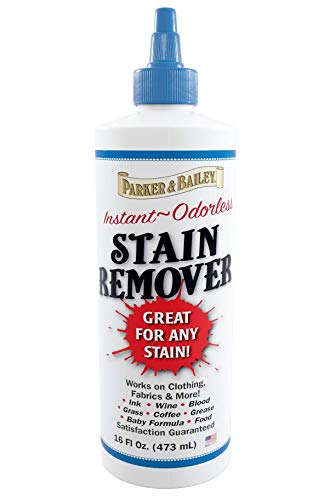
- ✓ Gentle on fabrics
- ✓ Effective on dried stains
- ✓ No harsh chemical odor
- ✕ Slightly pricey
- ✕ Needs multiple applications on tough stains
| Formulation Type | Bleach-free, fragrance-free liquid cleaner |
| Volume | 16 ounces (473 milliliters) |
| Application Method | Pre-treat and apply directly to stains, then launder |
| Effective Stain Types | Blood, grease, wine, coffee, grass, food, sweat, urine, body fluids, makeup |
| Safety Features | Safe for colors, delicates, sensitive skin; free of sulfates, ammonia, petrochemicals, bleach |
| Made In | USA |
You know that sinking feeling when you see a fresh blood stain on your fabric sofa, and you realize just how stubborn it can be to remove? Well, I had that moment recently, and I grabbed the Parker and Bailey Blood Stain Remover.
The first thing I noticed was how easy it is to apply—no complicated sprayers, just a simple pour and dab with a cloth.
The formula is surprisingly gentle for a product that’s tough enough to handle dried blood. It penetrates deep into the fibers without any harsh chemical smell, which is a blessing if you’re sensitive to strong odors.
I applied it directly to a fresh stain and let it sit for a few minutes, and it started lifting almost immediately. For dried stains, I was impressed how it softened the set-in marks, making blotting much more effective.
What stood out is how versatile this product is. It’s not just for fabric sofas—it’s great on mattresses, clothing, and even carpets.
I tested it on some coffee spills and old grass stains, and it worked wonders without bleaching or discoloring the fabric. Plus, it’s free of sulfates, ammonia, and petrochemicals, so I felt good about using it around my family.
Application is straightforward—just pre-treat, let it sit, then wipe away. It’s become my go-to for quick cleanups, especially for high-traffic areas and delicate fabrics.
Honestly, it’s a relief knowing I have one dependable product that handles a variety of stains without harsh chemicals.
What Are the Most Common Stains Found on Fabric Sofas?
The most common stains found on fabric sofas include:
- Food and Beverage Stains: These include spills from items like coffee, wine, or greasy foods that can leave unsightly marks.
- Ink Stains: Ink from pens or markers can easily transfer onto fabric, creating dark, persistent stains that can be challenging to remove.
- Pet Stains: Accidents from pets can result in both stains and odors, requiring specific cleaning methods to effectively eliminate both.
- Grease and Oil Stains: These often come from hands or food and can be particularly tricky since they can spread if not treated promptly.
- Water Stains: These can occur from spilled water or moisture and may lead to discoloration or mildew if not dried properly.
Food and beverage stains can vary in difficulty to remove depending on the type of liquid involved; for example, red wine can leave a deep color that requires immediate action and specific cleaning solutions. Regular cleaning and immediate attention to spills can significantly reduce the chances of permanent staining.
Ink stains are notorious for being difficult to clean due to the pigments used in ink, which can set quickly into the fabric fibers. Using alcohol-based cleaners or specialized ink stain removers can help lift these stains, but care must be taken to test any solution on an inconspicuous area first.
Pet stains, often accompanied by odors, require enzymatic cleaners that break down the proteins in urine or feces. These cleaners not only help in removing the stain but also neutralize any lingering smells, making them essential for pet owners.
Grease and oil stains can often spread if they are not treated quickly, making it critical to blot the area rather than rub it. Using talcum powder or cornstarch can absorb the grease before a fabric-safe cleaner is applied can help lift the stain without damaging the sofa.
Water stains may seem innocuous, but they can lead to more significant problems if moisture is allowed to remain in the fabric, such as mildew or mold growth. Proper drying techniques and the use of a fabric-safe cleaner can help address these stains effectively.
How Do Food Stains Differ in Difficulty for Removal?
Food stains vary significantly in difficulty for removal based on their composition and the type of fabric they affect.
- Greasy Stains: These include items like pizza, burgers, and butter which leave behind oily residues. They can be particularly challenging because oils can penetrate deeply into the fabric, requiring a stain remover that breaks down grease effectively, such as those with surfactants or enzymes.
- Red Sauces: Foods like marinara or ketchup contain pigments and acids which can lead to permanent discoloration if not treated promptly. The acidity can also set the stain, making it crucial to act quickly with a specialized stain remover designed for such pigments.
- Beverages: Stains from drinks such as coffee, tea, or wine often leave behind tannins and sugars. These stains can vary in difficulty; for instance, coffee can be easier to remove when treated with cold water and a good fabric cleaner, while red wine may require a specific wine stain remover that targets tannins.
- Dairy Products: Items like milk or ice cream can create both protein and fat stains. The proteins in dairy can coagulate in fabrics, making cleaning more complex, thus requiring a stain remover that can effectively break down these proteins, like those containing enzymes.
- Fruits and Vegetables: Stains from fruits such as berries or vegetables can contain natural dyes and sugars. They can often be removed with a simple solution of cold water and mild detergent, although tougher stains may benefit from enzyme-based removers designed for organic stains.
Why Are Beverage Stains Particularly Problematic?
Beverage stains are particularly problematic because they often contain a combination of pigments, acids, and sugars that can deeply penetrate fabric fibers and cause discoloration or damage.
According to a study published in the Journal of Applied Polymer Science, colored beverages like coffee, tea, and fruit juices can leave behind chromophores—molecules responsible for color—that bond strongly with the fabric, making them difficult to remove (Huang et al., 2016). The acidity of these drinks can also weaken the structural integrity of the fibers, making the stains more persistent.
The underlying mechanism involves both chemical and physical processes. When a beverage is spilled, its liquid component quickly wicks into the fabric, pulling along pigments and sugars. The fibers then absorb these substances, which can form a bond that is resistant to regular cleaning methods. Additionally, the sugars can promote microbial growth, leading to further staining and odor issues over time. The interaction of the fabric’s material with the specific components of the beverage determines how deeply and stubbornly the stain sets, necessitating specialized cleaning techniques and products for effective removal.
What Impact Do Pet Stains Have on Fabric Upholstery?
Pet stains can significantly affect fabric upholstery in various ways, leading to issues such as odor, discoloration, and material degradation.
- Odor: Pet stains often carry strong, lingering odors due to the presence of urine, feces, or vomit. These smells can seep into the fabric and padding of the sofa, making it difficult to eliminate even with cleaning.
- Discoloration: Stains from pets can lead to noticeable discoloration on the fabric, which may become permanent if not treated promptly. The acidic nature of pet urine can cause fading or dark spots, impacting the overall appearance of the upholstery.
- Material Degradation: Over time, pet stains can break down the fibers of the upholstery fabric, leading to wear and tear. This degradation not only affects the aesthetic appeal but can also reduce the lifespan of the sofa.
- Attracting Dirt and Debris: Stains can create a sticky residue that attracts dirt and debris, making the upholstery look dirty more quickly. This accumulation can further complicate cleaning efforts and lead to a vicious cycle of staining and grime.
- Allergens: Pet stains can harbor allergens and bacteria, which can negatively impact indoor air quality and trigger allergic reactions. This is particularly concerning for individuals with sensitivities or respiratory issues.
What Ingredients Should You Look For in a Fabric Sofa Stain Remover?
When searching for the best stain remover for fabric sofas, it’s important to consider specific ingredients that effectively tackle various stains without damaging the fabric.
- Enzymatic Cleaners: These contain enzymes that break down protein-based stains, such as food or pet messes. They work by dissolving the stain at a molecular level, making it easier to remove without scrubbing excessively.
- Surfactants: Surfactants help lift dirt and stains from the fabric by reducing surface tension, allowing the cleaning solution to penetrate and lift away grime. They are particularly effective against oily stains and are often found in many all-purpose cleaners.
- Oxygen Bleach: Unlike chlorine bleach, oxygen bleach is safer for colored fabrics and works by releasing oxygen when mixed with water, effectively lifting stains without damaging the color. It’s a gentle yet effective option for tougher stains like wine or grass.
- Solvents: These ingredients can dissolve various types of stains, particularly grease or ink. Common solvents include rubbing alcohol and mineral spirits, which can be effective but should be used cautiously to avoid damaging the fabric.
- Plant-based Ingredients: Many eco-friendly stain removers utilize plant-derived ingredients that are less harsh on fabrics and the environment. These natural alternatives can be effective against stains while maintaining the integrity of the sofa fabric.
- pH Neutral Formulas: Products with a balanced pH are less likely to damage the fibers of your sofa. They clean effectively without causing discoloration or weakening the fabric, making them a safer choice for sensitive upholstery.
How Do Enzymes Aid in Stain Removal?
Enzymes play a crucial role in the process of stain removal, particularly for fabrics such as sofas.
- Protease: This enzyme specifically targets protein-based stains such as blood, sweat, and food residues. It breaks down the proteins into smaller peptides and amino acids, making them easier to lift away from the fabric fibers.
- Amylase: Amylase is effective against starch-based stains, such as those from sauces, gravies, or chocolate. It catalyzes the breakdown of starch into simpler sugars, facilitating the removal of these stubborn stains from fabric surfaces.
- Cellulase: This enzyme is particularly beneficial for removing dirt and grime from fabric sofas. By breaking down cellulose in plant fibers, cellulase helps to rejuvenate the fabric and restore its color and texture while also lifting away particulate stains.
- Lipase: Lipase targets fat and oil stains, such as those from cooking oils or greasy foods. This enzyme hydrolyzes triglycerides into glycerol and free fatty acids, making it easier to wash out oily stains from the fabric.
- Pectinase: Pectinase works effectively on fruit and vegetable stains, which can be particularly troublesome on upholstery. It breaks down pectin, a polysaccharide found in the cell walls of plants, thus assisting in the removal of these stains from soft surfaces.
Why Are Natural Ingredients Preferred for Cleaning Fabrics?
Natural ingredients are preferred for cleaning fabrics primarily due to their biodegradability and reduced toxicity compared to synthetic chemicals, making them safer for both users and the environment.
According to a study published in the Journal of Cleaner Production, natural cleaning agents can effectively remove stains while minimizing harmful environmental impacts. The research highlights that plant-derived components often possess antimicrobial properties that are effective in breaking down stains without the harshness of chemical solvents (Journal of Cleaner Production, 2020).
The preference for natural ingredients is driven by a growing awareness of the potential health risks associated with synthetic cleaning agents, which may contain volatile organic compounds (VOCs) that can lead to respiratory issues and skin irritations. The use of natural products mitigates these risks as they are less likely to emit harmful fumes and are generally safer for individuals with allergies or sensitivities. Additionally, the environmental benefits of using biodegradable ingredients contribute to a sustainable cleaning approach, as they break down more easily and do not accumulate in ecosystems.
Moreover, the efficacy of natural stain removers can often be attributed to their chemical structures, which allow them to interact effectively with various types of stains. For instance, enzymes derived from natural sources can break down proteins and fats found in common stains, making them effective in treating spills on fabric sofas. This enzymatic action is a key reason why many consumers seek out the best stain remover for fabric sofa that utilizes natural ingredients, as they provide a safe yet potent cleaning solution.
How Can You Select the Best Stain Remover for Your Fabric Sofa?
Selecting the best stain remover for your fabric sofa involves considering the type of stains, fabric material, and the remover’s effectiveness and safety.
- Type of Stain: Different stains require specific treatments, so identifying the type of stain (e.g., food, ink, or pet accidents) is crucial. For instance, water-based stains often respond well to vinegar or soap solutions, while oil-based stains may necessitate a solvent-based remover for effective cleaning.
- Fabric Material: The type of fabric your sofa is made of can significantly influence the choice of stain remover. Delicate fabrics like silk or velvet may require gentle, pH-balanced cleaners, whereas more durable materials like polyester or canvas can handle stronger, more aggressive stain removers.
- Safety and Ingredients: It’s important to choose a stain remover that is safe for both your upholstery and your household. Look for products that are free from harsh chemicals, dyes, and fragrances if you have allergies or pets, and consider eco-friendly options that are biodegradable and non-toxic.
- Application Method: The ease of application can vary significantly between products, so consider whether you prefer a spray, foam, or liquid. Some removers may require scrubbing or blotting, while others can be simply sprayed on, making them more convenient for quick clean-ups.
- Effectiveness and Reviews: Researching reviews and testimonials can provide insight into the effectiveness of a stain remover. Look for products that have a proven track record of successfully removing various types of stains while maintaining the integrity of the fabric.
What Features Make a Stain Remover Effective Against Set-In Stains?
An effective stain remover for fabric sofas should possess several key features to tackle set-in stains effectively.
- Enzymatic Action: Stain removers that contain enzymes can break down proteins, fats, and carbohydrates found in many common stains. This is particularly important for organic stains like food, blood, or pet messes, as enzymes specifically target the molecular structure of these stains, making them easier to lift from fabric.
- pH Balance: The pH level of a stain remover plays a crucial role in its effectiveness. A balanced pH ensures that the cleaning agent is safe for various fabric types while still being strong enough to dissolve stains without damaging the fibers or altering the color of the upholstery.
- Surface Compatibility: The best stain removers are formulated specifically for use on fabric upholstery. They are designed to penetrate fabric fibers without causing discoloration or degradation, ensuring that the cleaning process is both effective and safe for the material.
- Stain-Specific Formulas: Some stain removers are designed for specific types of stains, such as grease, ink, or wine. These targeted formulas often contain specialized ingredients that enhance their ability to tackle certain stains, making them more effective than general-purpose cleaners.
- Quick Action: The faster a stain remover works, the better the chances of completely eliminating a set-in stain. Products that promise quick action can help prevent stains from setting deeper into the fabric, allowing for easier cleanup and less scrubbing.
- Odor Neutralization: Effective stain removers not only remove the stain but also neutralize any odors associated with it. This is especially important for fabric sofas, as lingering smells can be unpleasant and indicate that the stain hasn’t been fully addressed.
- Eco-Friendly Ingredients: Many consumers are now looking for stain removers that use biodegradable and non-toxic ingredients. Eco-friendly options are safer for both the environment and the users, making them a popular choice among those who are health-conscious or have children or pets.
How Do Brand Comparisons Impact Stain Remover Effectiveness?
| Brand | Effectiveness | Price | Special Features |
|---|---|---|---|
| Brand A | Highly effective on tough stains (e.g., red wine, ink), quick action. | $15 – Budget-friendly option (16 oz). | Eco-friendly formula, safe for pets, available online. |
| Brand B | Good for general stains (e.g., food, dirt) but less effective on old marks. | $20 – Mid-range pricing (24 oz). | Includes fabric protector, non-toxic ingredients, available in stores. |
| Brand C | Extremely effective on all types of stains (e.g., grease, coffee), professional-grade. | $30 – Premium choice (32 oz). | Concentrated formula, long-lasting results, highly rated by users. |
| Brand D | Moderately effective, best for light stains (e.g., sweat, light spills). | $10 – Economical option (12 oz). | Easy spray application, pleasant scent, user-friendly. |
What Are the Best Practices for Using Stain Remover on Fabric Sofas?
The best practices for using stain remover on fabric sofas ensure effective cleaning without damaging the fabric.
- Test on a Hidden Area: Always test the stain remover on a hidden section of the sofa before applying it to the stained area.
- Blot, Don’t Rub: When treating stains, gently blot the area with a clean cloth instead of rubbing it.
- Use the Right Product: Choose a stain remover specifically formulated for the type of fabric your sofa is made from.
- Follow Product Instructions: Always adhere to the manufacturer’s instructions on the stain remover for optimal results.
- Act Quickly: Attend to stains as soon as possible to prevent them from setting in and becoming more difficult to remove.
- Use a Soft Brush: For stubborn stains, a soft-bristled brush can be used to gently agitate the fabric without causing damage.
- Air Dry and Avoid Heat: After cleaning, allow the area to air dry completely and avoid using heat sources to speed up the drying process.
Testing on a hidden area ensures that the stain remover won’t cause discoloration or damage to the fabric. This precaution allows you to ascertain the product’s compatibility with your sofa’s material before full application.
Blotting instead of rubbing helps to lift the stain without spreading it further or embedding it deeper into the fibers. Rubbing can cause fraying or damage to the fabric, making the stain more noticeable.
Using the right product is crucial because different fabrics require different cleaning agents; using an incompatible cleaner can lead to fading or damage. Always check the fabric care label for guidance on the appropriate cleaning solution.
Following product instructions is essential for achieving the best results, as different products may have specific application methods, dwell times, or rinsing requirements. This adherence maximizes the effectiveness of the stain remover.
Acting quickly on stains is vital because the longer they sit, the more they can set into the fabric, making them much tougher to remove. Immediate action increases the chance of successful stain removal.
A soft brush can be beneficial for lifting stubborn stains, as it can help agitate the fabric lightly without causing damage. It’s important to use gentle motions to avoid harming the sofa’s surface.
Finally, allowing the cleaned area to air dry prevents any heat-induced shrinkage or warping of the fabric. Heat can alter the sofa’s texture and appearance, so it’s best to let it dry naturally.
What Preliminary Steps Should You Take Before Applying a Stain Remover?
Before applying a stain remover on a fabric sofa, it’s important to follow several preliminary steps to ensure effective and safe cleaning.
- Read the Care Label: Always check the manufacturer’s care label on your fabric sofa for specific cleaning instructions and recommended cleaning products.
- Test in an Inconspicuous Area: Before applying the stain remover to a visible area, test it on a hidden or less noticeable spot to ensure it doesn’t damage or discolor the fabric.
- Gather Necessary Supplies: Collect all the tools and materials you’ll need for the stain removal process, including clean cloths, a soft brush, and water, to ensure you can work efficiently.
- Blot the Stain: Gently blot the stain with a clean cloth or paper towel to absorb as much of the spill as possible before applying any stain remover, as this can prevent the stain from setting further.
- Identify the Stain Type: Determine what kind of stain you are dealing with (e.g., oil, water-based, protein) to choose the most effective stain remover for that specific type.
Reading the care label is crucial because it provides guidance on which cleaning methods and products are safe for your specific sofa fabric, helping to avoid any potential damage.
Testing in an inconspicuous area allows you to assess the fabric’s reaction to the stain remover, minimizing the risk of causing discoloration or damage to larger visible areas.
Gathering the necessary supplies before you start ensures you have everything at hand, making the cleaning process smoother and more effective without interruptions.
Blotting the stain first helps to lift out excess liquid or debris, which can make the stain removal more effective and prevent it from spreading or embedding deeper into the fabric.
Identifying the stain type is essential, as different stains require different treatment methods; using the wrong product can make the situation worse, so knowing the stain helps in selecting the best stain remover for fabric sofa.
How Should You Apply the Remover for Optimal Results?
To achieve the best results when applying a stain remover for fabric sofas, follow these effective techniques:
- Test on a Hidden Area: Always start by testing the stain remover on a hidden section of the sofa to ensure it does not cause discoloration or damage.
- Blot, Don’t Rub: When applying the remover, use a blotting technique instead of rubbing to avoid pushing the stain deeper into the fabric.
- Follow Product Instructions: Each stain remover may have specific instructions regarding application, dwell time, and rinsing; adhering to these directions ensures optimal effectiveness.
- Use the Right Tools: Employ soft cloths or sponges for application to prevent fabric abrasion and ensure even coverage of the stain remover.
- Allow Proper Dwell Time: Let the stain remover sit on the fabric for the recommended time to break down the stain effectively before blotting it away.
Test on a Hidden Area: This initial step is crucial as it helps you assess how the fabric will react to the cleaner. By applying a small amount of the remover on a less visible section, you can avoid potential damage to the main visible areas of your sofa.
Blot, Don’t Rub: Rubbing can spread the stain and damage the fabric fibers, making the stain worse. Blotting gently lifts the stain away from the fabric and minimizes disruption to the sofa’s surface texture.
Follow Product Instructions: Each stain remover is formulated differently, which means that following the specific guidelines on the bottle can significantly enhance its effectiveness. This includes knowing how long to leave the product on the fabric and whether it requires rinsing afterward.
Use the Right Tools: Opting for soft, non-abrasive cloths or sponges ensures that you apply the remover gently and evenly. This prevents any potential scratching or wear on the fabric while allowing the stain remover to penetrate the fabric properly.
Allow Proper Dwell Time: Allowing the cleaner to sit for the recommended duration helps break down the stain’s bonds with the fabric, making it easier to remove. This step is essential for ensuring that the cleaner works effectively without risking damage to the upholstery.
What Common Mistakes Should You Avoid When Removing Stains from Fabric Sofas?
When removing stains from fabric sofas, certain common mistakes can hinder your efforts and potentially damage the fabric.
- Using the Wrong Cleaning Solution: Choosing a cleaner that is not specifically designed for fabric can lead to discoloration or damage. Always check the fabric care instructions and select a stain remover that is safe for your particular sofa material.
- Scrubbing Too Hard: Aggressive scrubbing can push the stain deeper into the fabric or fray the fibers. Instead, gently blot the stain with a soft cloth or sponge to lift it without causing damage.
- Ignoring Test Areas: Failing to test a cleaning solution on an inconspicuous area first can result in unexpected damage. Always apply a small amount of the cleaner to a hidden spot to ensure it does not alter the color or texture before proceeding with the stain removal.
- Using Excess Water: Over-saturating the fabric with water can lead to mold growth and a damp smell. Use a minimal amount of water when rinsing out cleaning solutions to prevent soaking the fabric.
- Not Blotting Properly: Rubbing the stain instead of blotting can spread it further. Blot from the outside of the stain toward the center to contain it and prevent it from expanding.
- Neglecting to Follow Up: After treating a stain, failing to check if it has been completely removed can lead to lingering odors or discoloration. Always inspect the area once it has dried to ensure the stain is fully gone and take further action if necessary.
- Using Heat: Applying heat, such as from a hairdryer, can set certain stains, making them much harder to remove. Stick to cool air or allow the fabric to air dry naturally after cleaning.
How Can You Prevent Damage to Your Sofa While Cleaning?
To prevent damage to your sofa while cleaning, consider the following methods:
- Test a Small Area First: Always perform a spot test on an inconspicuous area of the fabric before applying any stain remover to ensure it doesn’t cause discoloration or damage.
- Use Gentle Cleaning Solutions: Opt for mild detergents or fabric-specific cleaners that are less likely to harm the fibers of your sofa.
- Blot, Don’t Rub: When treating stains, gently blot the area with a clean cloth instead of rubbing, which can cause the stain to spread or damage the fabric.
- Avoid Excess Moisture: Use a damp cloth rather than soaking the fabric, as excess moisture can lead to mold growth or damage to the sofa’s structure.
- Follow Manufacturer Instructions: Always refer to the care label on your sofa for specific cleaning recommendations, as different fabrics may require different methods.
Testing a small area first allows you to check for any adverse reactions, which can save you from potential disasters with your fabric upholstery.
Using gentle cleaning solutions helps maintain the integrity of the fabric while effectively removing stains, as harsh chemicals can lead to fading or deterioration over time.
Blotting the stain helps lift it without pushing it deeper into the fibers, which is crucial for maintaining the sofa’s appearance and texture.
Avoiding excess moisture is important because too much water can weaken the fabric and lead to long-term damage, including mold growth and structural issues.
Following manufacturer instructions ensures that you’re using the best practices recommended for your specific fabric type, which can help prolong the life of your sofa.
What Are the Essential Do’s and Don’ts of Stain Removal?
The essential do’s and don’ts of stain removal are crucial for effectively treating stains on fabric sofas without causing further damage.
- Do act quickly: The sooner you treat a stain, the better your chances of removing it completely. Fresh stains are easier to lift than those that have set, as they have not yet bonded with the fabric fibers.
- Do test a small area: Before applying any stain remover, it’s important to test it on a hidden area of the fabric. This ensures that the product does not cause discoloration or damage to the material.
- Do blot, don’t rub: When treating a stain, always blot the area with a clean cloth instead of rubbing it. Rubbing can push the stain deeper into the fabric and damage the fibers, making it harder to remove.
- Don’t use hot water: Hot water can set certain stains, especially those from proteins like blood or dairy. Always use cold or lukewarm water to prevent the stain from adhering to the fabric.
- Don’t mix cleaning products: Combining different cleaning solutions can create harmful reactions or reduce their effectiveness. Stick to one product at a time to ensure safe and effective stain removal.
- Don’t forget to read labels: Always read the care instructions on your fabric sofa and the labels of any cleaning products you intend to use. This helps you choose the right method and ensures compatibility with your sofa’s fabric.