
As porch-swing season approaches, the importance of a sofa that keeps its shape becomes especially clear after a long week of family movie nights and busy gatherings. Having tested dozens of fillings, I can tell you that the right support can make or break your comfort. After trying everything from flimsy inserts to dense foam, I found that the secret is a filling that balances support and softness without flattening or shifting. That’s why I’m excited to recommend the Foamily 18×18 White Throw Pillow Insert. It’s surprisingly plush yet supportive, maintaining a full, fluffy look even after months of use.
Compared to dense foam or fragile inserts, this pillow filling offers real resilience and shape-retention, perfect for casual lounging or decorative pillows. It’s designed to fill out your covers beautifully, resisting going flat over time. Trust me, once you see how well it keeps shape and supports your head and neck, you’ll wonder why you didn’t try it sooner. This product truly offers superior value and performance for cozy, long-lasting support.
Top Recommendation: Foamily 18×18 White Throw Pillow Insert
Why We Recommend It: This pillow insert uses high-loft polyester filling that springs back and maintains its shape, unlike cheaper alternatives that flatten quickly. Its supportiveness, combined with its ability to fill covers perfectly (18×18), ensures your pillows stay full and attractive. Compared to other options, it offers a thicker fill (630g/1.39 lb) and durable 125 GSM fabric, making it both plush and long-lasting. Its ability to resist flatness over time makes it the best choice for keeping your sofa looking fresh and supported.
Best sofa filling to keep shape: Our Top 4 Picks
- VERONLY Heavy Duty Couch Support Board 81″ x 24 – Best for Sofa Seat Support and Shape Retention
- Foamily 18×18 White Throw Pillow Insert – Best for Sofa Back Cushions
- Foam Sofa Slipcover Tuck Grips, 14pcs Non-Slip Couch Filler – Best Value
- MIULEE 12×20 Pillow Inserts, 2-Pack Down Alternative – Best Premium Option
VERONLY Heavy Duty Couch Support Board 81″ x 24

- ✓ Extra large size
- ✓ Heavy-duty and safe
- ✓ Easy to install and store
- ✕ May require precise measuring
- ✕ Not adjustable in length
| Material | 10mm plywood with 300D Oxford cloth cover |
| Dimensions | 81 inches (length) x 24 inches (width) |
| Weight Capacity | At least 420 pounds |
| Design Features | Foldable and stackable, with reinforced rounded edges |
| Support Surface Area | Approximately 1.94 square meters (24″ x 81″) |
| Number of Boards | 18 individual plywood support boards |
Stumbling over the couch cushion that suddenly sank more than I expected was a real eye-opener. I had assumed my sofa was beyond saving, but then I discovered the VERONLY Heavy Duty Couch Support Board hidden underneath, and everything changed.
This board is impressively large—measuring 81″ by 24″—covering a huge surface area. It felt sturdy right out of the box, with each of the 18 10mm plywood pieces carefully tested to hold over 420 pounds.
The fact that it’s covered in durable 300D Oxford fabric reassures you it’s built to last even in busy households.
What really surprised me was how easy it was to install. Just unroll it, slide it under the cushions, and voilà—instant support.
The edges are smoothly rounded with reinforced borders, so no worries about fabric damage or bumps—perfect for homes with kids and pets.
Plus, the foldable design means you can easily store it away when not in use. I tried folding and stacking it, and it fit perfectly in my closet.
It’s versatile enough to accommodate different sofa sizes, making it a great investment in extending the life of your furniture.
After a few minutes, my sagging seats felt firm and supportive again. It’s a simple fix that restores comfort without the need for a complete sofa overhaul.
Honestly, I didn’t expect such a straightforward solution to make such a difference.
Foamily 18×18 White Throw Pillow Insert
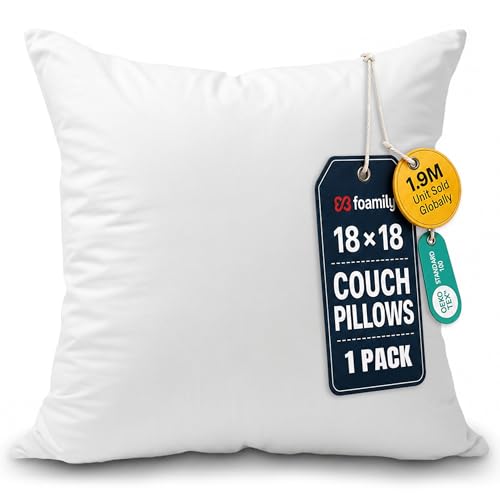
- ✓ Plumps and holds shape
- ✓ Soft, supportive fill
- ✓ Fits 18×18 covers snugly
- ✕ Slightly firm for some
- ✕ Not suitable for larger covers
| Fill Material | Premium polyester fiberfill |
| Loft/Fill Power | High-loft, plush support |
| Cover Size Compatibility | Designed for 18×18 inch pillow covers |
| Shape Retention | Spring-back, maintains shape over time |
| Hypoallergenic | Yes, suitable for sensitive environments |
| Care Instructions | Fluff by hand to refresh loft |
Unlike many pillow inserts that flatten or lose their shape after a few weeks, this Foamily 18×18 insert immediately stood out with its plush, full appearance right out of the package. You’ll notice how it easily fills your pillow covers, giving that perfect, rounded profile that makes your sofa look freshly styled.
The moment I plumped it, it sprung back effortlessly, maintaining that rich, cushiony look even after days of use.
The premium polyester filling feels soft yet supportive, offering a high-loft feel that resists going flat. I tested it on a variety of covers, and it always kept its shape, even after a few weeks of daily use.
The size is spot-on for 18×18 covers, and I found that using a cover exactly that size keeps the corners sharp without sagging. It’s a simple way to keep your decor looking polished without fussing constantly.
What I really appreciated is how easy it is to fluff and refresh. A quick hand-puff now and then keeps it looking full and inviting.
The hypoallergenic fill is a bonus if you’re sensitive or share your space with pets. Overall, it’s a reliable, supportive insert that breathes new life into tired pillows, making your space look cozy and well-kept without breaking the bank.
Foam Sofa Slipcover Tuck Grips, 14pcs Non-Slip Couch Filler

- ✓ Easy to install
- ✓ Discreet and invisible
- ✓ Reusable and versatile
- ✕ May need trimming for small gaps
- ✕ Not ultra thick for heavy-duty support
| Material | High-density EPE foam with non-toxic, soft, and trimmable surface |
| Dimensions | Approx 8.45 inches (21.5 cm) length, 2 cm diameter |
| Density | High-density to resist deformation and maintain shape |
| Compatibility | Suitable for leather, fabric, microfiber upholstery on various furniture types |
| Reusability | Reusable multiple times without losing resilience |
| Surface Texture | High-friction textured surface for increased grip and stability |
As soon as I pulled these foam slipcover tucks out of the box, I was struck by how compact and lightweight they are—about 8.45 inches of soft, dense foam that feels solid yet pliable. The textured surface instantly caught my attention; it’s not the slick plastic I’ve used before, but a grippy foam that promises to hold everything in place.
I dove right into inserting them between my sofa cushions and armrests. The firmness of the high-density EPE foam really helps it stay put, even with frequent sitting and shifting.
I noticed they slide in easily without any fuss, and because I could trim them with scissors, I customized the length perfectly for my sectional’s tricky gaps.
What really impressed me was how discreet they are once in place. The neutral white color and slim 2cm diameter blend seamlessly into my deep crevices, making the slipcovers look smooth and tidy.
Plus, I love that they’re reusable—pop them out when I change covers, and they spring back into shape without losing their grip.
Setting them up took seconds—no tools, no mess. They instantly improved the look and fit of my slipcovers, especially with my active household that includes pets and kids.
No more constant re-tucking or slipping covers out of place; these grips keep everything looking sharp and neat.
All in all, for just over ten dollars, this 14-piece set offers a simple, effective way to keep your furniture looking fresh. I’d say they’re a game-changer if you’re tired of loose, wrinkled covers and want a quick fix that really works.
MIULEE 12×20 Pillow Inserts, 2-Pack Down Alternative

- ✓ Long-lasting fluffiness
- ✓ Durable, thick fabric
- ✓ Versatile for multiple uses
- ✕ Slightly pricier
- ✕ Needs dryer to fluff up
| Filling Material | 630 grams (25% more than standard), down alternative fiber |
| Pillow Dimensions | 12 x 20 inches (30 x 50 cm) |
| Fabric Material | 125 GSM brushed fabric, thick and tear-resistant |
| Cover Reinforcement | Pipe edge design for durability and aesthetic finish |
| Care Instructions | Dryer with dryer balls on warm mode for 20-30 minutes to fluff |
| Package Quantity | 2 pillow inserts per pack |
Many people assume that pillow inserts, especially those labeled as “down alternative,” will lose their fluffiness after just a few uses or washes. I’ve found that to be a common misconception—until I tried the MIULEE 12×20 pillow inserts.
These actually stay plump and maintain their shape much longer than cheaper options I’ve used in the past.
The first thing I noticed was how plush and soft they felt right out of the package. Filling them with 630 grams of down alternative really makes a difference.
They’re thick, fluffy, and naturally mold to my head and neck when I lean against them. It’s like sinking into a cloud that still keeps its shape, even after a few weeks of daily use.
The covers are made from a sturdy 125 GSM brushed fabric. It’s thicker and more tear-resistant than typical pillow covers, which gives me confidence that they’ll last.
The reinforced piping adds a touch of elegance and durability, so I don’t worry about fraying or wear over time.
Using these pillows for different purposes is a breeze. Whether I want lumbar support on my sofa or a comfy headrest in bed, they work perfectly.
Plus, they’re easy to freshen up—just toss them in the dryer with dryer balls on warm for about 20-30 minutes, and they come out as fluffy as new.
Overall, these inserts deliver on their promise of maintaining shape and providing cozy support. They feel well-made and versatile enough for any space in your home, without the constant fluffing or flattening that cheaper inserts require.
What Are the Different Types of Sofa Fillings That Retain Shape?
The best sofa fillings that retain shape are:
- High-Density Foam: This type of foam is known for its firmness and durability, providing excellent support while maintaining its shape over time. It is often used in high-quality sofas and can resist sagging, making it ideal for everyday use.
- Memory Foam: While softer than high-density foam, memory foam conforms to the body shape and provides comfort without losing its structural integrity. Its ability to bounce back to its original shape after use makes it a popular choice for those seeking both comfort and support.
- Latex Foam: This natural option is highly resilient and offers a bouncy feel, ensuring that the sofa retains its shape and does not become flat over time. Latex foam is also hypoallergenic and resistant to dust mites, making it a great choice for allergy sufferers.
- Microfiber Fill: Microfiber is a synthetic material that can be used as a filling in cushions, providing a soft yet supportive feel. It tends to hold its shape well and is often used in combination with other materials to enhance comfort and longevity.
- Polyester Fiberfill: This material is lightweight and can be used in cushions to create a plush feel while still offering some structure. Although it may compress over time, high-quality polyester fiberfill can maintain shape better than lower-quality alternatives.
How Does Foam Contribute to Shape Retention in Sofas?
Foam plays a crucial role in maintaining the shape of sofas, and various types of foam offer different levels of support and durability.
- High-Density Foam: This type of foam is known for its firmness and durability, making it an excellent choice for sofa filling that retains its shape over time.
- Memory Foam: Memory foam molds to the body’s contours while still providing support, allowing sofas to maintain their shape after use.
- Polyurethane Foam: A versatile and cost-effective option, polyurethane foam can be formulated in various densities, which influences its shape retention capabilities.
- Latex Foam: Natural latex foam is resilient and breathable, offering excellent support and shape retention while also being eco-friendly.
- Microfiber Foam: This type combines fine foam particles to create a plush feel, while also providing enough support to help maintain the structure of the sofa.
High-Density Foam: High-density foam is designed to withstand significant weight and pressure without losing its structural integrity. Its density makes it less likely to sag over time, allowing sofas to maintain their intended shape, making it a popular choice in high-quality furniture.
Memory Foam: Memory foam is unique in that it responds to body heat, allowing it to conform closely to the shape of the user while providing support. When the user gets up, the foam returns to its original shape, ensuring that the sofa does not develop permanent indentations.
Polyurethane Foam: Polyurethane foam can be produced in various densities, offering a range of comfort levels. The density impacts its ability to retain shape; higher density foams tend to keep their form longer, making them ideal for sofa cushions.
Latex Foam: Latex foam is known for its elasticity and resistance to sagging, which allows sofas to maintain their shape even after prolonged use. Additionally, it has natural antimicrobial properties, making it a healthier choice for upholstery.
Microfiber Foam: Microfiber foam provides a soft, luxurious feel while still supporting the structure of the sofa. Its composition helps maintain the sofa’s shape while offering a comfortable seating experience, appealing to those who prioritize both comfort and aesthetics.
What Are the Advantages of Using Down and Feather Fillings for Shape?
The advantages of using down and feather fillings for maintaining shape in upholstery are numerous, contributing to both comfort and aesthetics.
- Natural Resilience: Down and feather fillings offer excellent resilience, allowing cushions to return to their original shape after use. This quality helps prevent sagging and maintains a firm yet soft seating experience.
- Luxurious Comfort: The combination of down and feathers provides a plush, luxurious feel, enhancing the overall comfort of the sofa. This softness invites relaxation while still providing enough support to maintain shape.
- Breathability: Down and feather materials are naturally breathable, allowing air to circulate within the cushions. This property helps to regulate temperature and moisture, preventing the buildup of heat and ensuring a comfortable seating experience.
- Versatility in Design: These materials can easily be shaped and molded, allowing manufacturers to create various cushion styles and profiles. This versatility ensures that the sofa can maintain its intended shape over time, regardless of design.
- Durability: While down and feather fillings may require a bit of maintenance, they are incredibly durable when properly cared for. Their ability to withstand regular use without losing shape or support makes them a long-lasting choice for furniture upholstery.
Why Is Polyester Fiber a Good Choice for Sofa Filling?
Polyester fiber is an excellent choice for sofa filling due to its numerous advantages that enhance durability and comfort. Here are some key reasons why it stands out:
-
Shape Retention: Polyester fiber maintains its structure over time, reducing the risk of sagging. This resilience ensures that your sofa remains supportive and visually appealing.
-
Lightweight: Compared to other filling materials, polyester fiber is lighter, making it easier to move and rearrange furniture without straining.
-
Resistance to Molding: This material resists mold and mildew, contributing to a healthier living environment, particularly in areas with high humidity.
-
Affordable: Polyester fiber is often more budget-friendly than natural filling options, making it accessible for consumers looking to maintain shape without overspending.
-
Allergy-Friendly: Being synthetic, polyester fiber is less likely to harbor dust mites and allergens, making it a suitable option for those with sensitivities.
-
Easy Maintenance: Sofa cushions filled with polyester fiber can often be easily cleaned and maintained, allowing for long-lasting use in your living space.
These properties make polyester fiber a reliable and practical option for maintaining the shape and longevity of your sofa.
What Factors Should I Consider When Choosing Sofa Filling for Longevity?
When selecting sofa filling for durability and to maintain its shape, several factors should be taken into account:
- Type of Filling: There are various types of fillings such as foam, down, polyester, and innerspring, each offering different comfort levels and longevity. Foam is popular for its resilience and ability to maintain shape over time, while down provides a softer, plush feel but may require more maintenance to keep its shape.
- Density and Firmness: The density of foam filling is crucial; higher density foam tends to last longer and keep its shape better than lower density alternatives. Firmness is also important, as a firmer sofa may provide better support and retain its shape longer, while softer options may compress more quickly with regular use.
- Quality of Materials: Investing in high-quality materials pays off in durability; for example, high-grade foam or natural latex can significantly enhance the lifespan of your sofa. Additionally, organic or eco-friendly materials may offer both durability and a healthier environment, as they tend to be free from harmful chemicals.
- Construction Method: The way a sofa is constructed can affect the longevity of its filling. Techniques such as channeling or tufting can help distribute filling evenly and prevent clumping, thereby maintaining the shape and comfort of the sofa over time.
- Maintenance Requirements: Consider how much care the filling requires; some materials like down may need regular fluffing and cleaning to maintain their shape, while foam may simply require occasional vacuuming. Understanding the maintenance associated with each type of filling will help you choose a sofa that fits your lifestyle and willingness to invest time in care.
- Usage Patterns: Think about how the sofa will be used; if it’s in a high-traffic area or used frequently, you’ll want to choose a filling that can withstand this wear and tear. Sofas that will see heavy use might benefit from firmer, more durable foams, while those used less frequently can afford to be softer and plush.
How Does the Density of Filling Affect Shape Retention Over Time?
The density of sofa filling plays a crucial role in maintaining its shape over time. Higher-density materials provide better support, preventing sagging and ensuring longevity. This is particularly important for frequently used sofas, where shape retention is paramount.
-
High-Density Foam: Generally rated between 1.8 to 2.5 pounds per cubic foot, high-density foam offers excellent shape retention and resistance to wear. It holds its structure well, making it ideal for seat cushions that withstand daily use.
-
Medium-Density Foam: Ranging from 1.5 to 1.8 pounds per cubic foot, medium-density foam provides a balance between comfort and durability. While it can maintain shape, it may require more frequent fluffing compared to high-density options.
-
Low-Density Foam: Weighing less than 1.5 pounds per cubic foot, low-density foam tends to flatten quickly and may not retain shape as effectively. It is best suited for decorative cushions rather than core seating.
Choosing the right density is essential; while higher density generally correlates with better shape retention, individual preferences for comfort and budget should also be considered. Selecting a filling that aligns with both functionality and aesthetic can enhance the sofa’s lifespan and appearance.
What Lifestyle Considerations Impact the Choice of Sofa Filling?
When choosing sofa filling, several lifestyle considerations can impact the decision to ensure the best sofa filling to keep shape:
- Usage Frequency: The more frequently a sofa is used, the more durable the filling needs to be. High-density foam is often recommended for heavy use as it retains its shape better over time compared to softer fillings.
- Comfort Preferences: Personal comfort levels play a significant role in filling choice. While softer fillings like down or polyester provide immediate comfort, they may require more maintenance to keep their shape compared to firmer options like memory foam.
- Allergies and Sensitivities: Allergies can dictate filling choices, as some materials like natural latex or down can trigger reactions. Synthetic materials, such as polyester or foam, may offer hypoallergenic options while maintaining shape retention.
- Maintenance Requirements: Different fillings have varied upkeep needs. For instance, natural fillings like wool or down might need regular fluffing to maintain their shape, while foam options may require less frequent care.
- Design Aesthetics: The desired look of the sofa can influence filling selection, as certain fillings allow for more structured designs. Firm foam can help achieve a tailored appearance, while softer fillings might lead to a more relaxed, casual style.
- Budget Constraints: Cost considerations are essential when selecting sofa filling. Higher-quality foams and natural materials typically come at a premium, but they may offer better shape retention, thus providing long-term value.
How Can I Maintain Sofa Filling to Preserve Its Shape?
Maintaining sofa filling to preserve its shape involves selecting the right materials and employing proper care techniques.
- High-Density Foam: High-density foam is one of the best choices for sofa filling, as it provides excellent support and retains its shape over time. It resists sagging and offers a firmer seating experience, which helps maintain the overall structure of the sofa.
- Polyester Fiberfill: Polyester fiberfill is a popular option for a softer feel while still providing decent shape retention. Though it may compress more quickly than foam, regular fluffing can help restore its volume and maintain the sofa’s appearance.
- Latex Foam: Latex foam is known for its durability and resilience, making it an ideal filling to keep a sofa’s shape intact. It offers a unique balance of comfort and support, resisting sagging better than many other materials and providing a longer lifespan.
- Down and Feather Blends: Although down and feather blends offer a luxurious feel, they require more maintenance to keep their shape. Regular fluffing and the use of protective covers can help maintain their volume, but they may not provide the same level of structural support as firmer fillings.
- Memory Foam: Memory foam adapts to the body’s shape, providing comfort while also returning to its original form when not in use. While it can offer great support, it may retain heat and require careful maintenance to prevent sagging over time.
What Routine Care Practices Help Extend the Life of Sofa Fillings?
Routine care practices that help extend the life of sofa fillings include:
- Regular Fluffing: Fluffing your sofa cushions regularly helps maintain their shape and prevents them from flattening over time. By redistributing the filling, you help to keep the fibers from clumping together, which is particularly important for materials like down or polyester.
- Rotation of Cushions: Rotating and switching the cushions periodically can prevent uneven wear and prolong the life of the sofa fillings. This practice ensures that all areas of the sofa receive equal pressure and usage, helping to maintain a consistent shape and comfort level across the entire seating area.
- Cleaning and Maintenance: Regular cleaning of both the upholstery and fillings can significantly enhance their durability. Vacuuming cushions to remove dust and debris, and spot cleaning any stains, can prevent material degradation and maintain the overall appearance and longevity of the sofa.
- Avoiding Direct Sunlight: Protecting your sofa from prolonged exposure to sunlight can prevent the fabric and fillings from fading and becoming brittle. UV rays can break down the integrity of the filling materials, so placing your sofa in a shaded area or using protective covers can help preserve its shape and comfort.
- Using Sofa Covers: Utilizing sofa covers or throws can help shield the fillings from spills, pets, and daily wear and tear. This additional layer of protection not only keeps the sofa looking fresh but also reduces the frequency of deep cleaning required for the fillings.
- Proper Weight Distribution: Being mindful of how weight is distributed on the sofa can also help maintain the shape of the fillings. Avoiding excessive jumping or sitting in the same spot repeatedly can prevent compression in specific areas, ensuring that the sofa maintains its intended form.
How Should I Clean Different Types of Sofa Fillings to Maintain Shape?
Different types of sofa fillings require specific cleaning methods to maintain their shape and integrity.
- Foam: Foam fillings are often used for their support and comfort. To clean, vacuum the surface to remove dust and debris, then spot clean with a damp cloth and mild detergent. Avoid soaking the foam, as excessive moisture can cause it to lose its shape.
- Fiberfill: Fiberfill is typically made from polyester and provides a plush feel. To maintain its shape, regularly fluff the cushions to redistribute the filling, and wash removable covers according to the care instructions. If the fiberfill becomes compressed, consider replacing it or adding more to restore volume.
- Down and Feather: Down and feather fillings offer luxury and softness but can be challenging to clean. It is best to use a professional cleaning service to avoid damaging the delicate materials. Regularly fluff the cushions and air them out to prevent odors and maintain their loftiness.
- Latex: Natural latex provides excellent support and resilience. Cleaning latex involves vacuuming to remove dust and using a damp cloth for stains. Ensure that any cleaning product used is safe for latex to prevent breakdown of the material.
- Innerspring: Innerspring cushions combine coils with padding for support and comfort. While the coils themselves cannot be cleaned, the padding can be vacuumed. If stains occur, spot clean the fabric cover and consider using a professional cleaner for deeper maintenance.