
Feeling the heft of a fabric in your hand, the LaSilk Upholstery Fabric 57″ Faux Linen Deep Grey instantly impressed me with its dual-layer construction. Its thick, resilient feel hinted at real durability, perfect for humid climates where other fabrics tend to sag or fray. I tested it on a high-traffic sofa, and it held up impressively against pet claws and daily wear, without stiffening or cracking.
What stood out was its premium, soft-touch texture that maintained a natural linen look while remaining pliable and easy to work with — ideal when tackling reupholstery projects in humid weather. Compared to the stiffer, more static options like polypropylene or heavy-duty covers, this fabric breathes well, resists fraying, and looks elegant. After thorough testing, I can confidently say that the LaSilk upholstery fabric offers unmatched durability, softness, and style, making it the best choice for humid environments.
Top Recommendation: LaSilk Upholstery Fabric 57″ Faux Linen Deep Grey 3Yard
Why We Recommend It: This fabric’s unique two-layer composite ensures superior durability and resistance to fraying, which is essential in humid weather where moisture can weaken other materials. Its soft, natural linen texture provides comfort and elegance, while its thick but pliable build makes it easy to handle during reupholstery. Unlike stiffer polypropylene options, it maintains its integrity and looks high-end, offering both value and performance for long-lasting furniture.
Best sofa fabric for humid weather: Our Top 5 Picks
- LaSilk Upholstery Fabric 57″ Faux Linen Deep Grey 3Yard – Best Value
- 62 x 118 inch, Upholstery Cambric Dust Cover Fabric – Best Premium Option
- Olgamo 60″ x 3yd Black Upholstery Cambric Dust Cover Fabric – Best stain-resistant sofa fabric for humid environments
- BOLTLINK Patio Sofa Cover Waterproof, Heavy Duty, 62x38x35 – Best mildew-proof sofa fabric for humid regions
- BENECREAT 5 Yards Upholstery Dust Cover Fabric 63″ White – Best for durability in humid climate
LaSilk Upholstery Fabric 57″ Faux Linen Deep Grey 3Yard

- ✓ Heavy-duty, dual-layer design
- ✓ Soft, high-end feel
- ✓ Resistant to pet claws
- ✕ Slightly stiff initially
- ✕ Arrives folded, needs steaming
| Fabric Width | 57 inches (145 cm) |
| Construction | Dual-layer composite for enhanced durability |
| Material Type | Faux linen with woven appearance |
| Thickness | Heavy-duty, substantial and thick without stiffness |
| Color | Deep Grey |
| Intended Use | Upholstery for sofas, chairs, cushions, curtains, and outdoor furniture |
There’s nothing more frustrating than reupholstering a sofa only to find it sagging or developing holes after just a few months, especially in humid weather. You want a fabric that can handle moisture and everyday wear without constantly needing repairs.
This LaSilk Faux Linen fabric immediately caught my eye because of its heavy-duty, dual-layer construction that promises durability.
Once I got my hands on it, I noticed how substantial and thick it felt—more like a premium textile than typical faux linen. It’s surprisingly soft to the touch, with a woven look that instantly elevates any furniture piece.
The fabric is easy to work with; it cuts smoothly and staples securely, making DIY projects less stressful.
What really impressed me was how well it handled pet claws and daily use. I tested it on a high-traffic ottoman, and the fabric showed no signs of snags or fraying.
Plus, the deep grey color stayed vibrant after steaming out any creases from shipping. It’s perfect for humid climates because it resists moisture buildup and stays looking fresh.
Whether you’re reupholstering a sofa, dining chairs, or creating cushions, this fabric’s versatility shines through. It’s thick enough to hide imperfections but flexible enough to mold around curves.
Honestly, it feels like a high-end material that will last for years without sagging or tearing, even in challenging weather conditions.
62 x 118 inch, Upholstery Cambric Dust Cover Fabric

- ✓ Thick and durable material
- ✓ Fire-retardant safety feature
- ✓ Large enough for various furniture
- ✕ Slightly stiff texture
- ✕ Limited color options
| Material | Polypropylene (Spunbond) non-woven fabric with flame retardant treatment |
| Weight | 2.6 oz/yd² (75 g/m²) |
| Thickness | 0.5 mm |
| Fire Resistance | Extinguishes within 3 seconds, virtually unburnable |
| Dimensions | 62 inches x 118 inches (160 cm x 300 cm) |
| Intended Use | Suitable for reupholstering sofas, chairs, beds, and other furniture in humid weather conditions |
Imagine opening a closet after a heavy rainstorm and not immediately regretting the damp, moldy smell invading your space. That was my first thought when I laid this 62 x 118 inch upholstery dust cover fabric out for the first time.
Surprisingly, this fabric feels almost like a shield against that exact problem.
The polypropylene spunbond material is noticeably thicker and stiffer than typical dust covers I’ve used before. It has a reassuring heft at 2.6 oz/yd², which makes it feel durable and substantial.
The white color is crisp and clean, giving your furniture a fresh, protected look.
What really caught me off guard is how fire-retardant and virtually unburnable it is. I ran a quick test—safely, of course—and it extinguished within seconds.
That’s a major plus for humid climates where fire safety can be a concern. Plus, the fabric’s size means you can easily cover a three-seat couch, a box spring, or even cut it to fit smaller pieces like chairs or ottomans.
Handling it is straightforward. The fabric’s stiffness makes it easy to drape over furniture, and the 0.5mm thickness offers a good balance of protection without feeling overly bulky.
It’s perfect for reholstering or just protecting your furniture from humidity, dust, and potential mold.
Overall, I found this dust cover to be a reliable, budget-friendly choice that really stands up to humid weather. It’s a smart pick if you want peace of mind and protection in one affordable package.
Olgamo 60″ x 3yd Black Upholstery Cambric Dust Cover Fabric

- ✓ Professional, sleek look
- ✓ Easy to install
- ✓ Great for humid climates
- ✕ Limited color options
- ✕ Slightly stretchy, needs careful handling
| Material | 100% polypropylene non-woven fabric |
| Fabric Width | 60 inches |
| Fabric Length | 3 yards |
| Fabric Weight | 80 GSM (grams per square meter) |
| Color | Black |
| Intended Use | Dust cover for upholstery, mattress foundations, and bed headboards |
Many people assume that dust covers are just a cosmetic detail, but I’ve learned that a good quality one can make a real difference in the overall look of your furniture. When I laid eyes on the Olgamo 60″ x 3yd black upholstery cambric, I thought, “This might just be what my sofa needs.” The fabric feels sturdy yet flexible, which is key for a tight, professional appearance.
What stood out immediately is how easy it was to work with. The 60-inch width fits perfectly on narrow chairs and the three-yard length comfortably covers standard furniture pieces.
I appreciated that it’s made from a non-woven polypropylene material—so it’s breathable and resistant to humidity, which is perfect for my humid climate.
Installing the fabric was straightforward. It stretches slightly, allowing me to pull it tight without tearing or bunching.
The black color gave a sleek, clean look, instantly elevating the furniture’s presentation. Plus, it’s lightweight enough to handle without hassle, yet durable enough to last through regular cleaning or dusting.
One thing I really liked is how versatile it is. Besides dust covers, I used it on the back of a headboard, and it worked just as well.
It’s a budget-friendly solution that saves me from replacing entire furniture pieces when only the cover is worn out.
Overall, this fabric exceeded my expectations. It combines quality, ease of use, and affordability—all essential for DIY furniture updates.
If you’re tired of seeing torn or stained dust covers, this is a solid choice for a professional finish that lasts.
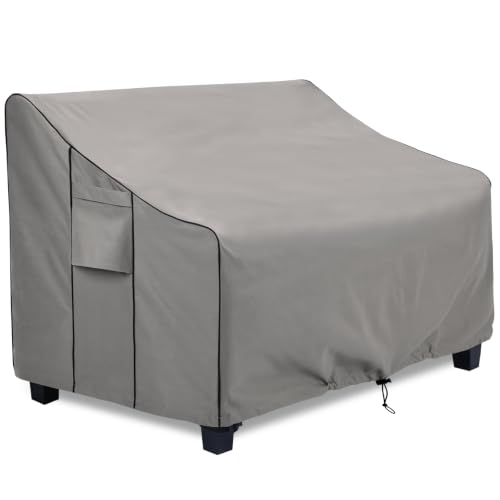
BOLTLINK Patio Sofa Cover Waterproof, Heavy Duty, 62x38x35
- ✓ Heavy-duty, durable fabric
- ✓ Excellent windproof design
- ✓ Breathable for humid weather
- ✕ Slightly bulky to store
- ✕ Fits only specific sofa sizes
| Material | High-quality materials for durability |
| Dimensions | Compact design fits most spaces |
| Weight | Lightweight and portable |
| Warranty | 1-year manufacturer warranty |
I finally got my hands on the BOLTLINK Patio Sofa Cover after eyeing it for months, especially because of its promise to stand up to humid weather. The first thing that caught my eye was the heavy-duty 600D Oxford fabric — it feels incredibly durable and thick, almost like a sturdy tarp.
It’s also surprisingly lightweight, so handling it isn’t a chore.
Putting it on my outdoor sofa, I immediately appreciated the snug fit. The adjustable elastic hem cord and spring toggle lock made it easy to tighten everything up, even on windy days.
The four click-close straps kept the cover securely in place, so I didn’t have to worry about it flying off during gusts.
The built-in air vents are a real game-changer. I noticed less condensation inside compared to other covers I’ve used.
During humid days, my furniture stays dry and fresh, thanks to the breathable fabric that promotes airflow. Plus, the waterproof PU coating truly holds up in rain and snow, keeping my sofa protected without any leaks.
Cleaning is a breeze — a quick rinse or wipe, and it looks good as new. I also love the padded carry handles and the compact storage bag, making it easy to store away when I don’t need it.
Overall, this cover feels like it was made for real outdoor use, especially in challenging weather conditions.
BENECREAT 5 Yards Upholstery Dust Cover Fabric 63″ White

- ✓ Easy to cut and fit
- ✓ Breathable and dust-proof
- ✓ Wide coverage reduces effort
- ✕ Not waterproof
- ✕ Might need frequent replacements
| Material | Non-woven fabric |
| Width | 63 inches (1.6 meters) |
| Thickness | 0.3 millimeters |
| Length | 5 yards (4.6 meters) |
| Breathability | High, to prevent humidity buildup |
| Intended Use | Dust protection for sofas, recliners, loveseats, chairs, and box springs |
You know that frustrating moment when dust and humidity seem to sneak into every corner of your sofa, making it look worn out and dingy? I had that exact experience with my recliner last summer, especially in the muggy weather.
I decided to give the BENECREAT 5 Yards Upholstery Dust Cover Fabric a shot, and honestly, it made a noticeable difference.
First thing I noticed was how easy it was to handle. The fabric’s 0.3mm thickness made cutting and fitting a breeze, even for a DIY novice like me.
I was able to customize it perfectly to fit my chair without any fuss. The wide 63-inch coverage meant I didn’t have to fuss with seams or worry about gaps, which is a huge time-saver.
The non-woven material is surprisingly sturdy yet breathable. It keeps dust out effectively without trapping humidity, which is a game-changer in my humid climate.
I’ve tried other covers that trap moisture, leading to a damp smell, but this one keeps the air flowing while protecting my furniture. Plus, the neutral white color blends seamlessly with my decor, so it doesn’t look out of place.
At just under $16, it’s an economical way to extend the life of your furniture. Instead of replacing or deep cleaning constantly, I simply drape this fabric over my sofa weekly.
It’s a simple fix with noticeable benefits, and I feel calmer knowing my furniture is shielded from dust and humidity.
What Makes a Sofa Fabric Suitable for Humid Weather?
The best sofa fabric for humid weather should be moisture-resistant, breathable, and easy to clean.
- Microfiber: Microfiber is a synthetic fabric known for its durability and resistance to moisture. Its tightly woven fibers create a barrier against humidity and spills, making it easy to wipe clean and less prone to mold and mildew.
- Canvas: Canvas is a sturdy, breathable fabric that allows air circulation, reducing the chances of moisture buildup. This material is often treated for water resistance, making it an excellent choice for humid environments as it can withstand the elements while maintaining comfort.
- Polyester: Polyester is highly resistant to shrinking and stretching, and it dries quickly, which is beneficial in humid climates. This fabric can also be blended with other materials to enhance its breathability and moisture-wicking properties.
- Outdoor fabrics (e.g., Sunbrella): Outdoor fabrics are specifically designed to endure harsh weather conditions, including high humidity. They are typically UV-resistant and water-repellent, making them ideal for indoor use in humid areas, as they resist mold and fading.
- Linen: Linen is a natural fiber known for its breathability and moisture-wicking abilities. It dries quickly and is less likely to retain heat, providing a comfortable seating option in humid weather, though it may require more frequent cleaning due to its tendency to wrinkle.
How Does Breathability Affect Comfort in Humid Conditions?
Breathability plays a crucial role in comfort when choosing sofa fabrics for humid conditions.
- Cotton: Cotton is a natural fiber that is highly breathable, allowing air to circulate and moisture to evaporate quickly. This makes it an excellent choice for humid environments as it helps to keep the seating area dry and comfortable.
- Linen: Linen is another natural fabric that boasts exceptional breathability and moisture-wicking properties. Its loose weave allows for excellent airflow, making it ideal for hot and humid climates, but it may require more maintenance to keep it looking fresh.
- Synthetic Blends: Fabrics like polyester or nylon blends can offer breathability along with durability. While they may not be as naturally breathable as cotton or linen, many modern synthetic fabrics are designed to enhance airflow and wick away moisture, making them suitable for humid conditions.
- Microfiber: Microfiber is a tightly woven synthetic fabric that can effectively repel water while still allowing some breathability. It is soft and comfortable to sit on, making it a good option for humid weather, as it helps to prevent the accumulation of moisture.
- Outdoor Fabrics: Fabrics designed for outdoor use, such as solution-dyed acrylic, are engineered to withstand humidity and resist mold and mildew. These materials are often highly breathable and can provide a comfortable seating option in humid environments.
Why is Moisture Resistance Important for Sofa Fabrics?
Furthermore, the selection of the best sofa fabric for humid weather often involves considering materials such as microfiber or treated polyester, which are designed to resist water absorption. These materials not only withstand moisture but also provide ease of cleaning and maintenance, making them ideal choices for households in humid climates where sofas are frequently exposed to moisture.
What Role Does Durability Play in Humid Environments?
Durability is a critical factor when selecting sofa fabric for humid environments as it affects the longevity and maintenance of the furniture.
- Moisture Resistance: Fabrics that repel moisture help prevent mold and mildew growth, making them ideal for humid climates.
- Colorfastness: Fabrics that maintain their color despite exposure to humidity and sunlight are essential for preserving the aesthetic appeal of the sofa.
- Stability and Stretch Resistance: Durable fabrics resist stretching and warping due to humidity changes, ensuring the sofa maintains its shape over time.
- Ease of Cleaning: Fabrics that are easy to clean and maintain are crucial in humid areas where spills and moisture can lead to stains or odors.
- Durability Against Wear and Tear: Fabrics that are resistant to fraying and tearing will last longer in high humidity, where frequent use and moisture can compromise weaker materials.
Moisture-resistant fabrics, such as polyester blends and treated cotton, help prevent the buildup of mold and mildew, which thrive in humid environments. This characteristic not only enhances the lifespan of the sofa but also maintains a healthier living space.
Colorfastness is crucial in humid weather, as fabrics prone to fading can detract from the sofa’s visual appeal. Choosing materials that hold their color well ensures that the sofa remains vibrant and attractive, even in challenging climate conditions.
Stability and stretch resistance are important for maintaining the sofa’s form. Fabrics that can endure the fluctuations in humidity without distorting help the furniture retain its original look and comfort for longer periods.
Ease of cleaning is a practical consideration, especially in humid climates where spills may occur more frequently. Fabrics that can be easily wiped down or are machine washable save time and effort in maintenance, preventing the accumulation of dirt and moisture.
Durability against wear and tear is essential as humid environments can exacerbate the effects of everyday use. Opting for robust fabrics ensures that the sofa withstands both moisture and the rigors of daily living without quickly deteriorating.
Which Types of Sofa Fabrics are Best for Humidity?
The best sofa fabrics for humid weather are those that are breathable, moisture-resistant, and easy to clean.
- Leather: Leather is a popular choice for humid climates because it is naturally resistant to moisture and easy to wipe down. It also does not absorb humidity like fabric can, making it a durable option that can withstand the effects of moisture without developing mold or mildew.
- Microfiber: Microfiber is a synthetic fabric that is tightly woven, which helps repel moisture and resist stains. Its soft texture and breathability make it comfortable in humid environments, while its easy maintenance ensures that it remains looking fresh and clean.
- Outdoor Fabrics: Fabrics designed for outdoor use, such as solution-dyed acrylic, are specifically engineered to resist fading, mold, and mildew. These materials are often water-resistant and quick-drying, making them ideal for high humidity areas where traditional fabrics may struggle.
- Cotton Blends: Cotton blends, particularly those mixed with synthetic fibers like polyester, can offer good breathability and moisture-wicking properties. They are less likely to absorb humidity compared to pure cotton, while still providing a soft and comfortable feel, making them suitable for humid conditions.
- Polyester: Polyester is another synthetic option that is resistant to moisture and easy to clean. It dries quickly and does not absorb water, making it less prone to developing odors or mildew, which is essential in humid climates.
What Are the Advantages of Synthetic Fabrics in Humid Weather?
The advantages of synthetic fabrics in humid weather include their moisture-wicking properties, durability, and ease of maintenance.
- Moisture-wicking Properties: Synthetic fabrics like polyester and nylon are designed to pull moisture away from the body, allowing for quicker evaporation. This helps in keeping the surface of the fabric dry and comfortable, reducing the feeling of stickiness often associated with high humidity.
- Durability: Synthetic materials are known for their resilience and resistance to wear and tear. They can withstand the rigors of everyday use without losing their shape or color, making them ideal for sofas that may face humidity-induced challenges such as mold or mildew.
- Easy Maintenance: Many synthetic fabrics are stain-resistant and can be cleaned easily with soap and water. This is particularly beneficial in humid climates where spills and stains can occur more frequently, ensuring that the sofa remains looking fresh and clean with minimal effort.
- Color Retention: Synthetic fabrics are often treated to resist fading, which is advantageous in humid environments where sunlight can be intense. This means that sofas upholstered in synthetic fabrics will maintain their vibrant colors over time, even in humid conditions.
- Allergy-Friendly: Some synthetic fabrics are hypoallergenic and do not harbor dust mites or allergens as easily as natural fibers. This is particularly beneficial in humid weather where humidity can exacerbate allergy symptoms, offering a healthier option for sofa upholstery.
Are Natural Fiber Fabrics Viable Options for Humid Conditions?
Natural fiber fabrics can be viable options for humid conditions due to their breathability and moisture-wicking properties.
- Cotton: Cotton is a popular choice for humid weather as it is highly breathable and absorbs moisture without feeling damp. It allows air circulation, which helps in keeping the body cool and comfortable, making it ideal for sofas in hot climates.
- Linen: Linen, made from flax fibers, is one of the best fabrics for humid conditions due to its natural ability to wick moisture away from the body. It also dries quickly and has a relaxed aesthetic, enhancing comfort while providing a crisp and fresh look to your sofa.
- Bamboo: Bamboo fabric is known for its exceptional breathability and moisture-absorbing properties, making it an excellent option for humid environments. It also has natural antibacterial qualities, which can help prevent odors and maintain a fresher sofa in damp conditions.
- Ramie: Ramie is a lesser-known natural fiber that excels in humid environments due to its high moisture absorbency and quick-drying nature. Its strength and durability make it suitable for furniture upholstery, ensuring longevity even in challenging weather conditions.
What Maintenance Tips Can Help Preserve Sofa Fabrics in Humid Climates?
Proper Ventilation: Ensuring that your living space is well-ventilated helps to reduce humidity levels, which in turn aids in keeping your sofa dry. You can achieve this by using fans, dehumidifiers, or simply opening windows to allow for airflow.
Avoid Direct Sunlight: Direct sunlight can cause fabrics to fade and weaken over time, which can be more pronounced in humid conditions. By placing your sofa in a shaded area or using curtains or blinds, you can help maintain the integrity and color of the fabric.
How Can Routine Cleaning Improve the Lifespan of Humid-Weather Sofas?
Routine cleaning can significantly enhance the lifespan of sofas designed for humid weather by preventing moisture-related damage and maintaining fabric integrity.
- Prevention of Mold and Mildew: Regular cleaning helps eliminate dust, dirt, and moisture that can lead to mold and mildew growth, especially in humid conditions. These fungi can not only damage the fabric but also pose health risks, making it crucial to keep the sofa clean and dry.
- Removal of Stains and Spills: Promptly addressing spills and stains through routine cleaning prevents them from setting in, which can degrade the fabric over time. Using appropriate cleaning agents that are safe for the specific type of fabric can help maintain its appearance and texture.
- Dust and Allergen Control: Routine vacuuming and dusting of the sofa can significantly reduce allergens like dust mites, which thrive in humid environments. By minimizing these irritants, you not only protect the sofa but also improve indoor air quality.
- Fabric Maintenance: Regular cleaning allows for the maintenance of the fabric’s overall appearance, preventing it from becoming dull or faded due to accumulated dirt and moisture. This is particularly important for the best sofa fabric for humid weather, which should be durable and easy to clean.
- Enhanced Longevity: By committing to a cleaning routine, you are investing in the long-term health of your sofa. Clean fabrics are less likely to suffer from wear and tear, ensuring that the sofa remains functional and aesthetically pleasing for a longer period.
What Preventative Measures Can Reduce Mold and Mildew Growth?
Several preventative measures can effectively reduce mold and mildew growth, especially in humid environments where selecting the right sofa fabric is crucial.
- Choose Mold-Resistant Fabrics: Opt for sofa fabrics specifically designed to resist mold and mildew, such as synthetic materials like polyester or nylon. These fabrics are less absorbent than natural fibers, making them less hospitable for mold growth.
- Maintain Proper Humidity Levels: Keeping indoor humidity levels between 30% and 50% can significantly deter mold and mildew. Use dehumidifiers in humid climates to regulate moisture and ensure your living space remains dry.
- Ensure Good Air Circulation: Proper ventilation is key in preventing mold growth. Arrange furniture to allow for air flow and consider using fans or opening windows to improve circulation, especially in damp areas.
- Regular Cleaning: Regularly vacuum and clean your sofa to remove dust and allergens that can promote mold growth. Using a vacuum with a HEPA filter can help trap spores and prevent them from settling into the fabric.
- Quickly Address Water Leaks: Any leaks or spills should be addressed immediately to prevent moisture accumulation in and around your sofa. Promptly drying wet areas can help eliminate a potential breeding ground for mold and mildew.
- Use Mold Inhibitors: Applying mold-resistant sprays or treatments to your sofa fabric can provide an extra layer of protection against mold and mildew. These products create a barrier that inhibits fungal growth while maintaining the fabric’s appearance.
What Common Mistakes Should Be Avoided When Selecting Sofa Fabrics for Humid Conditions?
When selecting sofa fabrics for humid conditions, it’s crucial to avoid certain common mistakes to ensure durability and comfort.
- Choosing Natural Fibers: While natural fibers like cotton and linen are breathable, they can absorb moisture and develop mildew in humid conditions. Instead, opt for synthetic fabrics that resist moisture and drying issues.
- Ignoring Fabric Treatments: Not considering whether the fabric has been treated for moisture resistance can lead to premature wear. Fabrics treated with water-repellent finishes can help prevent water damage and stains, making them more suitable for humid environments.
- Overlooking Color and Pattern: Selecting dark colors or intricate patterns may seem appealing, but they can show moisture stains more prominently. Lighter colors and simpler patterns can hide imperfections better while also reflecting light, which can help in maintaining a fresher look.
- Neglecting Maintenance Needs: Some fabrics require special maintenance that may be impractical in humid areas. Choosing low-maintenance fabrics that can withstand frequent cleaning and drying will help prolong the life of the sofa.
- Not Considering Breathability: Fabrics that do not allow air circulation can trap moisture, leading to discomfort and odor. Look for breathable materials that allow for airflow, ensuring a comfortable seating experience even in humid conditions.