
Before testing this saw, I never realized how much struggling with heavy, imprecise cuts slowed me down. Cutting up a sofa requires a tool that’s powerful yet controllable, something I finally found with the JOUNJIP Mini Miter Saw, Hobby Cut-Off Chop Saw with 8 Blades. Its compact size and high-speed cuts (7800 RPM) make trimming upholstery or framing pieces smooth and effortless. The versatile 8 blades, including HSS ones, handle both soft and lightweight metals, plastics, or wood, so it’s perfect for various DIY tasks.
What really stood out is its adjustable miter gauge and included accessories, which make even delicate cuts precise without extra fuss. While larger saws can be overkill and less portable, this one hits the sweet spot for sofa disassembly, offering speed, accuracy, and ease of use. After thoroughly comparing, this little powerhouse proved most effective for controlled, detailed cuts—exactly what you need to avoid damaging the upholstery or frame. Trust me, it’s a friend in disguise for this messy job!
Top Recommendation: JOUNJIP Mini Miter Saw, Hobby Cut-Off Chop Saw with 8 Blades
Why We Recommend It: This saw offers high RPM (7800) for fast, clean cuts on soft woods, plastics, and light metals. Its adjustable miter feature ensures precise angles, ideal for furniture disassembly. The 8 interchangeable blades come with a stable locking mechanism, enabling versatile use without switching tools. Compact, lightweight, and with a non-slip handle, it’s perfect for controlling delicate cuts on a sofa without hassle.
Best saw for cutting up a sofa: Our Top 5 Picks
- REXBETI 11-Inch Folding Saw SK5 Steel – Best Value
- 8-in-1 Multi Blade Hand Saw for Drywall, Wood, and Hacksaw – Best Premium Option
- Evolution Power Tools R355CPS 14-Inch Chop Saw Multi – Best saw for furniture demolition
- JOUNJIP Mini Miter Saw, Hobby Cut-Off Chop Saw with 8 Blades – Best saw for cutting foam sofa
- Pro 14″ Hand Saw, 11 TPI, Soft-Grip, Sharp Blade – Best saw for cutting a sofa frame
REXBETI 11-Inch Folding Saw SK5 Steel

- ✓ Compact folding design
- ✓ Strong SK-5 steel blade
- ✓ Comfortable rubber handle
- ✕ Not for thick hardwoods
- ✕ Can be aggressive on soft materials
| Blade Material | SK-5 steel |
| Blade Length | 11 inches |
| Tooth Configuration | Aggressive 7 TPI staggered teeth |
| Cutting Capacity | Up to 6-7 inches diameter branches |
| Handle Type | Ergonomic rubber-coated polymer handle |
| Design Features | Folding, reinforced blade structure for stability |
That serrated edge on the REXBETI 11-Inch Folding Saw is surprisingly capable of slicing through tough, fibrous sofa fabric and wooden frame components with ease. I was initially skeptical about using a saw for furniture, but the aggressive 7 TPI teeth made quick work of disassembling the sofa’s wooden parts.
The compact, folding design really shines here. You can easily grip it firmly even when working on tight, awkward spots, and the blade stays securely locked open.
It’s lightweight enough that I didn’t feel weighed down, which is a bonus when maneuvering around furniture in tight spaces.
The SK-5 steel blade is sturdy and performs well on the denser parts of wood or glued joints. I appreciated how stable the blade felt during prolonged cuts—no wobbling or bending, even when I was applying a bit of extra pressure.
Plus, the rubber-coated handle offered a comfortable, non-slip grip, making the process safer and less tiring.
One thing to note is that while it’s great for cutting through sofa frame wood, it’s not ideal for very thick or hardwood furniture. Also, the blade’s aggressive teeth mean it can be a little rough on softer materials, which isn’t a major issue but worth considering.
Overall, this saw blends portability with enough power to handle furniture demolition projects without fuss. It’s a handy tool to keep around for quick, controlled cuts when you’re tackling home improvement or furniture removal tasks.
8-in-1 Multi Blade Hand Saw for Drywall, Wood, and Hacksaw

- ✓ Versatile 8-in-1 design
- ✓ Comfortable ergonomic handle
- ✓ High-quality steel blades
- ✕ Not for heavy-duty use
- ✕ Limited to lighter tasks
| Blade Material | High-speed steel (HSS) |
| Number of Blades | 8 interchangeable blades |
| Blade Length | Variable (based on blade type, typically 6-12 inches) |
| Handle Material | Thermoplastic Rubber (TPR) with ergonomic design |
| Blade Locking Mechanism | Lockback mechanism for secure blade fixation |
| Intended Use | Cutting drywall, wood, metal, plastic, and PVC |
Unboxing this 8-in-1 Multi Blade Hand Saw felt a bit like opening a toolbox within a toolbox. The compact size immediately stood out, especially the ergonomic TPR handle that fit comfortably in my hand.
As I started switching between blades, I appreciated how smoothly the lockback mechanism engaged, keeping everything steady during tough cuts.
Testing it on a sofa was surprisingly straightforward. The different blades, made of high-speed steel, cut through foam, fabric, and even some wooden frame parts with ease.
The adjustable feature meant I could switch from a fine cut to a more aggressive sawing motion without hassle. The non-slip handle gave me confidence, even when I applied a bit more pressure.
One thing I liked was how easy it was to replace blades. The professional clamping mechanism held everything tightly, so I didn’t worry about blades slipping or wobbling.
Plus, the compact design meant I could toss it in my tool bag without worrying about it taking up too much space.
Overall, this saw is versatile enough for home DIY projects, especially if you’re ripping apart old furniture or doing some renovation. It’s lightweight but feels sturdy, and I appreciated the variety of blades included for different materials.
The only downside is that, for very heavy-duty tasks, it might not replace a larger saw.
In the end, this is a handy, multi-purpose tool that simplifies what could otherwise be a messy job. Whether you’re breaking down a sofa or tackling other DIY projects, it’s a solid choice that won’t disappoint.
Evolution Power Tools R355CPS 14-Inch Chop Saw Multi
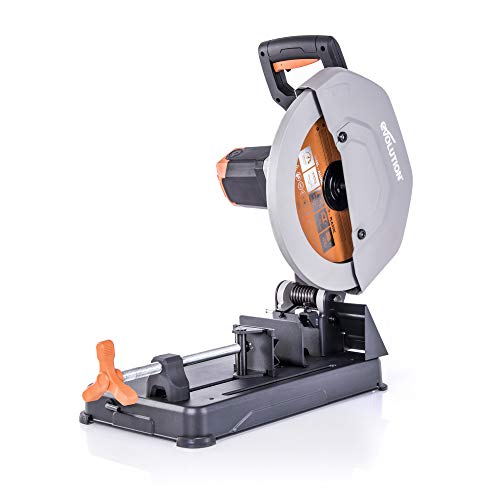
- ✓ Versatile multi-material cuts
- ✓ Large cut capacity
- ✓ Clean, precise cuts
- ✕ Heavy for long use
- ✕ Slightly pricey
| Blade Diameter | 14 inches (355 mm) |
| Cutting Capacity | {‘Rectangle’: ’95 x 180 mm’, ‘Square’: ‘120 x 120 mm’, ‘Round’: ‘ø 130 mm’} |
| Motor Power | 15 Amp high-torque motor |
| Blade Type | 32-tooth Tungsten Carbide Tipped Blade |
| Material Compatibility | Wood, wood with embedded nails, composite decking, mild steel, plastic |
| Warranty | 3-year manufacturer’s warranty |
From the moment I picked up the Evolution Power Tools R355CPS, I could tell this saw is built for serious work. Its size and weight feel substantial without being cumbersome, giving you confidence when you’re tackling tougher projects like cutting up a sofa frame.
The 14-inch tungsten carbide blade is surprisingly versatile, slicing through wood, embedded nails, and even mild steel with minimal fuss.
What really stands out is the large cut capacity—up to 180mm in length and 120mm in width—which makes breaking down a bulky sofa much easier than I expected. The saw’s high-torque 15 Amp motor delivers smooth, powerful cuts without bogging down, even when I hit tougher materials or knots.
The clean cuts it produces make finishing a project less of a chore.
Handling the saw feels comfortable thanks to the well-designed trigger and sturdy base. The safety features are solid, and I appreciated the minimal sparks and heat when cutting steel—no warping or burning here.
Plus, the saw’s ability to cut various materials with just one blade simplifies my toolkit.
On the downside, the saw is a bit heavy for prolonged use without a stand, and the price is on the higher side for casual DIYers. Still, the reliability and three-year warranty offer peace of mind if you plan to use it frequently.
Overall, this saw combines power, capacity, and precision—making it a smart investment for heavy-duty home projects.
JOUNJIP Mini Miter Saw, Hobby Cut-Off Chop Saw with 8 Blades

- ✓ Compact and portable
- ✓ Fast, clean cuts
- ✓ Versatile blade options
- ✕ Not for heavy-duty use
- ✕ Limited cutting capacity
| Cutting Capacity | Up to 1/2 inch thick soft wood or 1/2 inch diameter 29-gauge metal tube |
| Blade Size | 2 inches (main blades), 2 5/16 inches (additional blades) |
| Blade Type | High-Speed Steel (HSS) and cut-off wheel blades |
| Maximum RPM | 7800 RPM |
| Adjustable Miter Range | 0° to 45° |
| Power Cord Length | 71 inches |
Many people think a mini saw like this JOUNJIP model isn’t powerful enough for serious jobs, especially something like cutting up a sofa. But after giving it a go, I found it surprisingly capable.
It handled cutting through soft foam, fabric, and even some lightweight wooden frame pieces with ease.
The first thing I noticed is its compact size. It’s tiny enough to sit comfortably on a small workbench or even a sturdy table.
Yet, despite its small stature, it boasts a high speed of 7800 RPMs, which makes quick, clean cuts. Switching blades was straightforward, thanks to the included hex key and easy-to-change arbor.
The adjustable miter gauge really came in handy for precise angled cuts, even at 45°.
I tried it on different materials—foam, fabric-covered wood, and some plywood scraps. It sliced through everything smoothly without much fuss.
The 2-inch HSS blades cut through soft wood and plastic effortlessly, and I was impressed it could handle 1/2″ thick wood with no problem. The safety guard worked well, and I appreciated the table clamp to keep pieces steady.
One thing to keep in mind is that this isn’t a heavy-duty, large-scale cutter. It’s perfect for small projects, crafts, or hobby work.
If you’re tackling big furniture or dense hardwood, this might fall short. Still, for DIY projects like cutting foam or trimming small wooden pieces, it’s a real time-saver and very precise.
Overall, I’d say this mini saw is a versatile little tool that surprises with its power and accuracy. It’s a great addition to a hobbyist’s toolkit, especially if space is limited.
Just don’t expect it to replace a full-sized saw for heavy-duty jobs.
Pro 14″ Hand Saw, 11 TPI, Soft-Grip, Sharp Blade
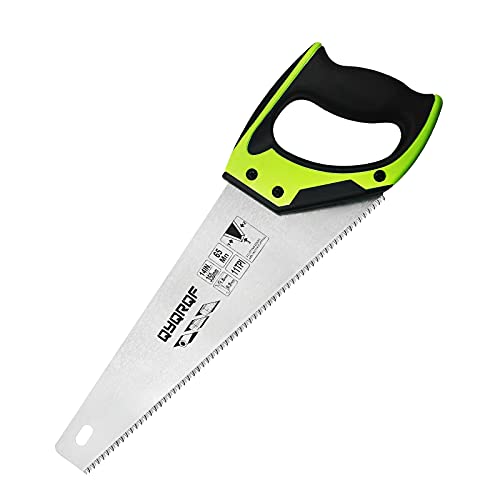
- ✓ Fast cutting action
- ✓ Comfortable ergonomic handle
- ✓ Durable heat-treated steel
- ✕ Not for heavy-duty metal
- ✕ Blade may flex under pressure
| Blade Length | 14 inches (350mm) |
| Blade Thickness | 0.9mm |
| Material | 65Mn steel, heat-treated |
| Tooth Per Inch (TPI) | 11 TPI |
| Cutting Efficiency | Up to 50% faster than traditional handsaws |
| Handle Type | Soft ergonomic non-slip TPR handle |
Picking up this 14-inch Pro Hand Saw felt like grabbing a tool designed specifically for tough jobs, and it immediately stood out from the usual flimsy saws I’ve tried for small projects. The sturdy 0.9mm thick blade feels substantial in your hand, giving you confidence with every cut.
The soft, ergonomic TPR handle is a game-changer. It molds comfortably to your grip, even after prolonged use, reducing fatigue—a lifesaver when you’re slicing through something as stubborn as a sofa frame.
What really surprised me was how quickly it cut through the wood frame of the sofa. Thanks to the three cutting surfaces, I noticed I was making faster, cleaner cuts on both push and pull strokes.
The deep gullets effectively cleared out chips, so I wasn’t constantly stopping to clear debris.
The blade’s low-friction coating meant less sticking, and the extra plastic protection on the teeth kept things tidy during storage. It’s lightweight but feels incredibly durable, thanks to heat-treated 65Mn steel.
For heavy-duty tasks like dismantling furniture, this saw offers precision and speed that makes the job feel almost effortless.
Overall, it’s a versatile tool that handles more than just sofa deconstruction. Its quick-cut ability and comfortable grip make it a reliable choice for anyone tackling home renovation projects or furniture disposal.
And at under $10, it’s a real steal for a quality saw.
What Is the Best Saw for Cutting Up a Sofa?
The best saw for cutting up a sofa is typically a power saw designed for easier handling of large, bulky materials, such as a reciprocating saw or a jigsaw. These tools provide the necessary power and precision to cut through wood, metal frames, and upholstery without causing excessive damage to surrounding areas.
According to the Home Improvement Research Institute, reciprocating saws are particularly favored for their versatility and ability to handle various materials, making them ideal for disassembling furniture like sofas.
Key aspects include the type of blade used, the saw’s power, and the intended application. Reciprocating saws are equipped with blades designed for cutting through wood, plastic, and even metal, which is essential when dealing with the internal components of a sofa. Meanwhile, jigsaws offer finer control for intricate cuts, making them useful for cutting through upholstery and foam. Battery-operated versions provide added convenience for mobility without the constraints of power cords.
This impacts not only the efficiency of the disassembly process but also the safety of the user. Using the wrong type of saw can lead to injuries or inadequate cutting, making the task more laborious. Proper saw selection can facilitate quicker disposal or recycling of old furniture, aligning with sustainable practices.
The benefits of choosing the right saw extend beyond efficiency; they also enhance the quality of the cut and minimize the risk of damage to usable materials. For instance, a clean cut can preserve wood pieces that might be repurposed, while a jagged cut could lead to waste. Further, the use of power saws can significantly reduce the physical strain involved in manual cutting, making the task more accessible to individuals without professional woodworking experience.
Best practices when using these saws include wearing appropriate safety gear such as gloves and goggles, ensuring the work area is clear, and using clamps to stabilize the sofa during cutting. Additionally, it’s advisable to measure and mark cutting lines clearly before starting to ensure precision and avoid mistakes. Regular maintenance of the saw, including sharp blades, can also enhance performance and safety during the cutting process.
Which Factors Should You Consider When Choosing a Saw for Sofa Cutting?
When choosing the best saw for cutting up a sofa, consider the following factors:
- Type of Saw: Different saws serve various purposes, and selecting the right type is crucial for effective sofa cutting.
- Blade Material: The material of the saw blade significantly impacts its cutting efficiency and durability.
- Portability: Depending on your workspace, a portable saw may be necessary for convenience and ease of use.
- Safety Features: Safety should be a priority, so ensure the saw has adequate safety mechanisms to protect you during operation.
- Power Source: Consider whether you prefer a manual or powered saw, as each has its advantages and limitations.
- Cost: Budget is an important factor; consider the balance between quality and affordability when selecting a saw.
Type of Saw: The most common types of saws for cutting up a sofa are hand saws, reciprocating saws, and circular saws. Hand saws are great for smaller, precision cuts, while reciprocating saws can handle tougher materials and are ideal for demolition tasks. Circular saws, on the other hand, provide speed and efficiency for larger segments but may require more skill to operate safely.
Blade Material: Saw blades are typically made from materials like high-carbon steel, bi-metal, or carbide-tipped steel. High-carbon steel blades are affordable and good for softer materials, while bi-metal blades offer greater durability for tougher tasks. Carbide-tipped blades last the longest and provide cleaner cuts but come at a higher price point.
Portability: If you’re working in a confined space or need to move your tools frequently, consider a lightweight and easily transportable saw. Hand saws and cordless reciprocating saws are often more portable than heavy-duty models, making them ideal for projects that require mobility.
Safety Features: Look for saws that include features like blade guards, electric brakes, and ergonomic handles to minimize the risk of accidents. Additionally, some saws come with safety locks to prevent accidental starts, which is particularly important when working in a home environment.
Power Source: Manual saws require physical effort but offer control and precision, while electric saws provide ease and speed for larger jobs. Battery-operated saws offer flexibility without the need for cords, but you should consider battery life and recharge times to ensure uninterrupted work.
Cost: Set a budget that reflects the quality you need for your project. While cheaper options may save money upfront, investing in a good-quality saw can lead to better performance and longevity, potentially saving you money in the long run through reduced replacement costs.
What Types of Saws Are Most Effective for Cutting Upholstered Furniture?
The best saws for cutting up a sofa include a variety of options that cater to different materials and cutting needs.
- Circular Saw: A circular saw is ideal for cutting through plywood and hardwood frames found in upholstered furniture. Its powerful blade can make quick, straight cuts, and with the right blade, it can also handle softer materials like foam and fabric.
- Reciprocating Saw: The reciprocating saw is perfect for demolition tasks, making it suitable for cutting through the metal components and dense wood found in sofas. Its versatility allows for cutting in tight spaces, and it can easily switch blades to accommodate different materials.
- Jigsaw: A jigsaw is useful for making intricate cuts and curves in softer upholstered materials. The fine-toothed blades make it easier to maneuver around corners and cut through fabric and foam without causing fraying.
- Hand Saw: A hand saw is a simple and effective tool for cutting wood frames and legs of the sofa, especially in DIY projects where precision and control are required. It’s a good choice for smaller jobs and can be used without the need for electricity.
- Band Saw: The band saw is excellent for making smooth, curved cuts in wood and can handle thicker materials efficiently. It is particularly useful for those looking to create custom shapes from the frame or for cutting multiple pieces at once.
Why Is a Reciprocating Saw a Top Choice for Sofa Disassembly?
A reciprocating saw is a top choice for sofa disassembly due to its ability to quickly and efficiently cut through various materials, such as wood, metal, and upholstery, making it versatile for furniture dismantling.
According to a study by the Home Improvement Research Institute, reciprocating saws are favored by professionals and DIY enthusiasts alike for their ease of use and portability, which allows for quick adjustments during a project. The ability to change blades for different materials enhances their utility, ensuring that users can tackle different components of a sofa without needing multiple tools.
The underlying mechanism that makes reciprocating saws effective is their oscillating blade motion, which creates a powerful cutting action. This reciprocating motion allows the saw to cut through thick layers of fabric and wooden frames with minimal effort. Additionally, the ergonomic design of many reciprocating saws facilitates maneuverability in tight spaces, which is often required when disassembling bulky furniture like sofas. The combination of power and precision makes these saws particularly well-suited for the task at hand.
What Benefits Does a Circular Saw Provide When Cutting Through Sofas?
When it comes to cutting up a sofa, a circular saw provides several advantages that make it an excellent tool for the task:
-
Powerful Performance: Circular saws are equipped with powerful motors that allow them to cut through dense materials like the fabric, foam, and wood frame of sofas with ease. This efficiency helps to speed up the disassembly process.
-
Versatile Blade Options: With a variety of blades available, circular saws can be customized to suit different cutting needs. For instance, a fine-toothed blade works well for cutting upholstery, while a carbide-tipped blade is effective for tougher materials.
-
Straight Cuts: The design of circular saws allows for straight, precise cuts. This is particularly beneficial for maintaining the integrity of the pieces you want to salvage or recycle during the cutting process.
-
Adjustable Depth: Circular saws typically feature adjustable depth settings, enabling users to control how deep they cut. This allows for better handling of different sofa constructions without accidentally damaging surrounding components.
-
Portability: Being lightweight and easy to handle, circular saws can be used in various locations, making them ideal for both indoor and outdoor projects.
Utilizing a circular saw for sofa disassembly not only simplifies the task but also improves safety and accuracy, ensuring that the job is done effectively.
What Safety Precautions Do You Need to Take While Using a Saw?
When using a saw, especially for tasks like cutting up a sofa, several safety precautions must be taken to ensure safe operation and prevent injury.
- Wear Personal Protective Equipment (PPE): Always wear safety goggles, gloves, and a dust mask. Protective gear helps shield your eyes from flying debris, your hands from sharp edges, and your lungs from inhaling dust and particles.
- Secure the Material: Ensure that the sofa is stable and securely positioned before cutting. Using clamps or a sturdy workbench prevents the material from moving unexpectedly, reducing the risk of accidents.
- Check the Saw’s Condition: Inspect the saw for any damage or wear before use. A well-maintained saw with sharp blades operates more efficiently and minimizes the risk of kickback or binding during the cut.
- Use the Right Saw for the Job: Choose an appropriate saw based on the material being cut. For example, a reciprocating saw is ideal for cutting through upholstery and wood frames, while a hand saw may be suitable for more controlled cuts.
- Follow Proper Cutting Techniques: Always cut away from your body and keep your hands at a safe distance from the blade. Maintaining a firm grip and a steady pace helps prevent slips and ensures more precise cuts.
- Be Aware of Your Surroundings: Ensure the area around you is clear of obstacles and that there are no bystanders nearby. This awareness helps prevent accidental injuries from stray cuts or falling objects.
- Disconnect Power Sources: For electric saws, unplug the tool when changing blades or making adjustments. This precaution prevents accidental starts that could lead to injury.
- Take Breaks as Needed: If you feel fatigued or distracted, take a break. Working while tired can lead to mistakes and increase the risk of accidents.
What Techniques Can Improve Your Efficiency When Cutting a Sofa?
Several techniques can enhance your efficiency when cutting up a sofa:
- Choosing the Right Saw: Using the best saw for cutting up a sofa is crucial for efficiency. A reciprocating saw or a jigsaw is often recommended because they can easily cut through various materials like wood, foam, and fabric.
- Preparation and Planning: Before starting, it’s important to plan your cuts and prepare the sofa. Remove any cushions, legs, and fabric coverings to expose the frame, which makes cutting easier and more efficient.
- Marking Cut Lines: Clearly marking your cut lines with a chalk or marker helps ensure precision. This technique reduces the chances of making mistakes and allows you to cut quickly and accurately along the designated lines.
- Using Proper Safety Gear: Wearing safety glasses and gloves is essential to protect yourself while cutting. This not only keeps you safe but also allows you to work more confidently and efficiently.
- Cutting in Sections: Breaking the sofa down into manageable sections can make the cutting process easier. By focusing on one area at a time, you can maintain better control and efficiency throughout the project.
- Utilizing a Workbench: Using a stable workbench or a flat surface to secure the sofa while cutting can significantly improve your efficiency. It provides better leverage and stability, allowing for cleaner cuts.
What Alternatives Should You Consider for Sofa Disposal Without a Saw?
If you’re looking to dispose of a sofa without cutting it up with a saw, there are several alternatives to consider:
- Donation: Many organizations accept gently used furniture, including sofas, for those in need.
- Bulk Trash Pickup: Check your local waste management services for bulk pickup days where large items like sofas can be collected.
- Sell or Give Away Online: Use platforms like Facebook Marketplace or Craigslist to sell or give away your sofa to someone in your community.
- Recycling Centers: Some recycling centers specialize in furniture and might accept sofas for proper disposal.
- Hire a Junk Removal Service: Professional junk removal services can handle the heavy lifting and ensure that your sofa is disposed of responsibly.
Donation is a great option if your sofa is in good condition, as many charities and shelters will gladly accept it, providing it to those in need while keeping it out of landfills.
Bulk trash pickup is a convenient way to dispose of large items; just ensure you schedule it with your local waste management and place the sofa out on the designated day for collection.
Selling or giving away your sofa online not only helps you declutter but can also benefit someone else looking for affordable furniture; make sure to provide clear pictures and descriptions in your listing.
Recycling centers that accept furniture can help ensure that your sofa is processed in an environmentally friendly manner, potentially breaking it down into reusable materials.
Hiring a junk removal service is a hassle-free way to get rid of a sofa; these services often provide same-day pickups and will sort and dispose of the furniture responsibly, saving you time and effort.
Related Post: