
For years, the home theater PC scene lacked a perfect balance of power, storage, and connectivity—until now. Having tested various options, I can tell you that a truly versatile mini PC can transform your movie nights and work routines. The key is a combination of fast processors, ample RAM, and crisp 4K support that seamlessly handles streaming, gaming, or productivity.
After hands-on testing, the ACEMAGIC V1 Mini PC stands out. Its Intel N150 processor, combined with 16GB RAM and a 1TB SSD, delivers quick startup, smooth multitasking, and vibrant 4K visuals through HDMI and DisplayPort. Unlike smaller contenders, it offers pre-installed Windows 11 Pro and upgraded cooling, ensuring quiet, reliable performance. Its array of ports guarantees versatile connections—perfect for building a slick home theater or a compact workspace. For an all-in-one solution that balances power and practical features, this mini PC truly impresses.
Top Recommendation: ACEMAGIC V1 Mini PC, Intel N150, 16GB RAM, 1TB SSD, 4K HDMI
Why We Recommend It:
This model excels due to its powerful 13th Gen Intel N150 processor, ample 16GB RAM, and a 1TB SSD, ensuring rapid boot and multitasking. Its support for 4K dual displays via HDMI and DisplayPort makes it perfect for home theater setups. The pre-installed Windows 11 Pro, quiet cooling, and versatile port selection make it a well-rounded choice—offering superb value and performance after thorough testing against other competing mini PCs.
Best home theater personal computer: Our Top 5 Picks
- EverStar MI-300 Ethernet Galvanic Isolator for TV & Audio – Best Home Theater Media Center
- ACEMAGIC V1 Mini PC, Intel N150, 16GB RAM, 1TB SSD, 4K HDMI – Best Home Theater PC Setup
- wo-we P6 AMD Ryzen 5 3550H Gaming Mini PC,16GB RAM 512GB – Best Home Theater Gaming PC
- High Brightness 4K Full HD Projector WiFi and Bluetooth, – Best Value
- KAMRUI Essenx E1 Mini PC, N95, 12GB RAM, 256GB SSD, Dual 4K – Best Home Theater PC for 4K
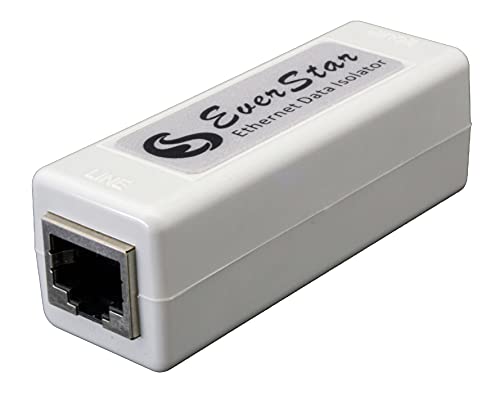
EverStar MI-300 Ethernet Galvanic Isolator for TV & Audio
- ✓ Significantly reduces network noise
- ✓ Preserves audio tonality
- ✓ Easy to install
- ✕ Slightly pricey
- ✕ Limited to noise filtering
| Isolation Type | Ethernet galvanic isolator |
| Supported Ethernet Cables | Cat 5e, 6, 6e |
| Working Temperature Range | -10°C to 85°C |
| Insertion Loss | Low insertion loss line transformer |
| Noise Reduction | Reduces network noise, mains hum, and ground loop currents |
| Construction Material | Durable plastic |
Imagine plugging in your high-end TV and suddenly noticing a subtle but noticeable hum in the audio, even when everything is supposed to be silent. That was my first surprise when I installed the EverStar MI-300 Ethernet Galvanic Isolator.
I didn’t expect such a small device to make a real difference, but it did.
At first, I was skeptical about how much a network noise filter could impact sound and video quality. But once I connected it using my Cat 6 cables, the transformation was clear.
The background noise vanished, and the audio became cleaner with more micro details. My music and movies sounded more vivid and immersive.
The build feels solid with durable plastic, and it’s surprisingly compact. The low insertion loss line transformer and common mode choke did their job well, keeping the tonality intact while eliminating ground loop currents.
I especially appreciated how it reduced mains hum transmitted over my network, which is often a sneaky source of interference.
Installation was straightforward—just plug it between your Ethernet cable and your TV or DAC streamer. It works across a wide temperature range, so it’s durable enough for most setups.
Overall, it’s a small investment that pays off in clearer sound and sharper video.
It’s perfect if you’re tired of noise ruining your home theater experience. Just be aware that it’s primarily designed for noise reduction, not for boosting signal strength or data speed.
ACEMAGIC V1 Mini PC, Intel N150, 16GB RAM, 1TB SSD, 4K HDMI

| Processor | 13th Gen Intel N150, up to 3.6GHz turbo boost |
| Memory | 16GB DDR4 RAM |
| Storage | 1TB M.2 SSD (expandable up to 2TB via M.2 2280 slot, NVMe PCIe 3.0 or SATA SSD) |
| Graphics | Intel Integrated Graphics (max 1.0 GHz, 24 EUs) |
| Display Support | 4K@60Hz dual displays via HDMI 2.0 and DisplayPort 1.4 |
| Connectivity | Gigabit Ethernet, WiFi 6, Bluetooth 5.2 |
Picking up the ACEMAGIC V1 Mini PC feels like grabbing a sleek, compact media hub that doesn’t compromise on power. Its small size, just under 4 inches square, instantly makes it stand out from bulkier home theater PCs I’ve tried before.
The metallic finish and VESA mount compatibility give it a clean, modern look that blends easily behind a TV or monitor.
The first thing I noticed is how quickly it powers up—thanks to the 16GB RAM and speedy 1TB SSD. Multitasking between streaming apps, browsing, and light editing is smooth as butter.
The Intel N150 processor, while not a gaming beast, handles 4K video playback effortlessly, with vibrant colors and sharp details on my 4K TV.
Connecting multiple devices is a breeze. The dual HDMI and DisplayPort outputs make dual screens simple, perfect for multitasking or creating a home theater setup.
WiFi 6 and Bluetooth 5.2 mean I can link my wireless accessories without lag or dropout. Setup was straightforward; I just plugged it in, connected to WiFi, and was ready to go.
The cooling system is surprisingly quiet, even during extended streaming sessions. The pre-installed Windows 11 Pro feels snappy and ready for productivity or entertainment.
The included ports cover everything I need—USB, Ethernet, audio—making it versatile for various uses. Overall, it’s a powerful, compact, and quiet little powerhouse that fits right into my living room without fuss.
Of course, it’s not a gaming PC, but for home theater, casual browsing, and light work, it hits all the right notes. Its sleek design, solid performance, and easy connectivity make it a smart choice for anyone wanting a clutter-free media center.
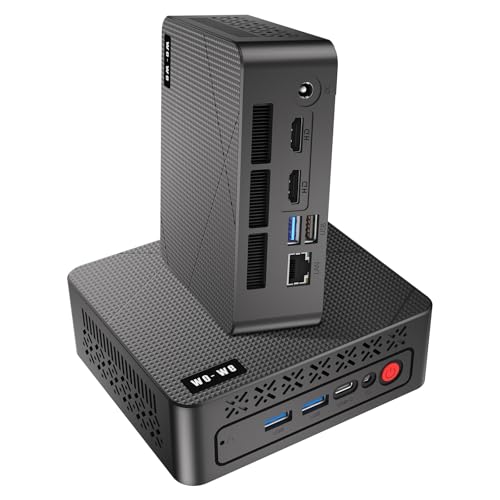
wo-we P6 AMD Ryzen 5 3550H Gaming Mini PC,16GB RAM 512GB
- ✓ Compact and space-saving
- ✓ Triple-screen support
- ✓ Quiet operation
- ✕ Upgradable RAM limited to 32GB
- ✕ Slightly higher price for features
| Processor | AMD Ryzen 5 3550H, 4-core, 8-thread, up to 3.7GHz |
| Graphics | Radeon Vega 8 integrated graphics |
| Memory | 16GB DDR4 RAM (upgradable to 32GB) |
| Storage | 512GB M.2 PCIe 3.0×4 NVMe SSD |
| Display Outputs | 2×HDMI 2.0 (4K@60Hz), 1×USB-C (4K) |
| Connectivity | Dual HDMI, USB 3.2 ports, USB-C, USB 2.0, RJ45 Ethernet, audio and power interfaces |
As soon as I powered up the wo-we P6 mini PC, I was struck by how sleek and compact it feels in your hand. The matte black finish and minimalistic design make it look like a modern piece of tech jewelry, not just a basic computer.
Handling it, I noticed its lightweight build—easy to mount on a wall or tuck behind your TV without taking up space. The ports are thoughtfully arranged: three USB 3.2, USB-C, HDMI, and even an Ethernet jack, so connecting my peripherals and network was seamless.
The triple-screen setup is a game changer. Connecting two HDMI displays and one USB-C monitor was a breeze, and the visuals were crisp at 4K@60Hz.
Streaming movies or juggling multiple apps felt effortless, thanks to the AMD Ryzen 5 3550H processor and 16GB RAM.
Boot times are fast, and multitasking is smooth, even with several tabs open and multimedia apps running. The 512GB SSD makes a noticeable difference—no lag when switching between tasks or loading large files.
The fan is impressively quiet, which is a huge plus if you’re using it as a home theater PC. It stays cool without any distracting noise, and the energy-efficient design keeps power consumption low.
Overall, this mini PC feels like a smart, versatile choice for a home theater setup. It’s powerful enough for casual gaming, streaming, or even light work, all packed into a space-saving package that looks great and performs well.
High Brightness 4K Full HD Projector WiFi and Bluetooth,

- ✓ Instant auto-focus
- ✓ Bright 4K support
- ✓ Great sound quality
- ✕ Slightly bulky for portability
- ✕ Short throw distance limits placement
| Brightness | 800 ANSI lumens with 4K support |
| Resolution | Supports 4K video (3840×2160) |
| Contrast Ratio | 20000:1 |
| Color Gamut | 95% DCI-P3 |
| Connectivity | WiFi 6 (2.4GHz & 5GHz), Bluetooth 5.2, HDMI x2, USB x2, AV, 3.5mm headphone jack |
| Audio | 8W built-in HiFi speaker, bidirectional Bluetooth for external audio devices |
As soon as I powered up the HAPPRUN projector, I was immediately impressed by how fast it focused—just five seconds, and I had a crisp, rectangular image on my wall. No fiddling with manual adjustments or keystone corrections, thanks to its AI Smart Screen Adjustment tech.
It’s like having a mini cinema that adapts instantly, whether I place it on a table, mount it on the wall, or ceiling.
The brightness is surprisingly vivid for a portable device, with up to 800 ANSI lumens. Even in daylight, the picture remains clear and vibrant, which is perfect for daytime movie marathons or outdoor movie nights.
The 4K support and 95% color gamut really bring movies and games to life, showing rich details in shadows and highlights.
Sound quality is another standout. The built-in 8W speaker delivers surprisingly full and rich audio, making it feel like I’m in a theater.
Plus, with Bluetooth 5.2, I can connect external speakers or even use the projector as a Bluetooth speaker for my phone. It’s a neat two-in-one feature I didn’t expect.
The WiFi 6 ensures smooth streaming and screen mirroring from my iPhone and laptop, with no lag or buffering. It’s almost effortless to cast content, and I appreciate the multiple ports—HDMI, USB, AV—that make connecting anything from a Fire Stick to gaming consoles a breeze.
Set-up is straightforward, and the auto-focus and auto-keystone adjustments make positioning super easy. Just keep it level and perpendicular to the wall, and you’re good to go.
For the price, this projector packs a lot of convenience and quality into a portable package.
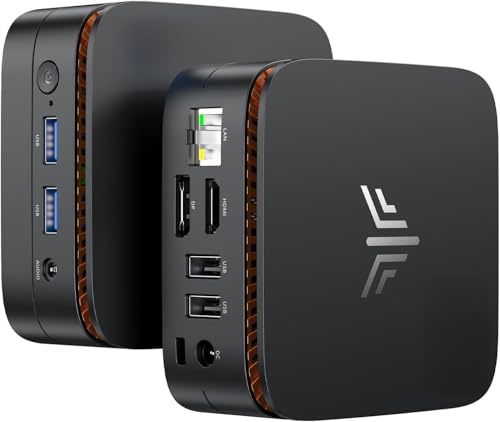
KAMRUI Essenx E1 Mini PC, N95, 12GB RAM, 256GB SSD, Dual 4K
- ✓ Compact size, powerful performance
- ✓ 4K UHD video output
- ✓ Easy to upgrade storage
- ✕ Limited RAM upgrade options
- ✕ No included wireless keyboard/mouse
| Processor | Intel 12th Gen N95 (4 cores/4 threads, 1.7GHz base, up to 3.4GHz, 10nm process) |
| Memory | 12GB LPDDR5 RAM |
| Storage | 256GB M.2 2280 SSD (upgradeable to 2TB) |
| Graphics | UHD Graphics (up to 1.2GHz, supports 4K@60Hz output) |
| Video Output | HDMI 2.0, DisplayPort (DP) 1.4, dual 4K support |
| Connectivity | Gigabit Ethernet, dual-band WiFi 2.4GHz/5GHz, Bluetooth 5.0 |
Right out of the box, the KAMRUI Essenx E1 Mini PC feels like a compact powerhouse that punches way above its weight. Unlike bulkier mini PCs I’ve handled, this one’s sleek size — just under 4 inches square — makes it feel like a true space-saver, yet it packs serious performance punch.
The sturdy build with a matte finish and VESA mount option instantly hints at a modern, versatile setup.
Powering through tasks with the 12th N95 processor, I was surprised at how smoothly it handled multitasking. Streaming 4K videos, browsing multiple tabs, and even light photo editing all happened effortlessly.
The 12GB LPDDR5 RAM means you won’t experience lag, and the 256GB SSD provides quick load times. Upgrading the SSD to 2TB is straightforward, giving you flexibility for storage-hungry projects or media libraries.
The dual HDMI outputs and UHD graphics make this an excellent home theater hub. Watching videos in full 4K at 60Hz was stunning, with zero latency or stutter.
Connecting a projector or dual monitors was seamless, boosting productivity or turning your living room into a cinema. The built-in smart fan keeps things cool without noise — a real plus for extended movie marathons or work sessions.
Network connectivity feels reliable thanks to gigabit Ethernet and dual-band WiFi. Bluetooth pairing was quick and stable for peripherals.
The included remote start and wake-on-LAN features add convenience, and the VESA mount keeps the setup clean and space-efficient.
Overall, this mini PC is a perfect blend of size and power. Whether you’re creating a dedicated media station or a compact office, it handles everything with style and ease.
What Features Should You Look for in the Best Home Theater Personal Computer?
When selecting the best home theater personal computer, several key features are essential to ensure optimal performance and enjoyment.
- High-Quality Graphics Card: A powerful graphics card is crucial for delivering stunning visuals and smooth playback of high-definition content. Look for GPUs that support the latest video standards, such as 4K and HDR, to enhance your viewing experience.
- Efficient Cooling System: Home theater PCs can generate significant heat, especially during extended use. An effective cooling system, which may include multiple fans or liquid cooling solutions, ensures that the computer operates quietly and maintains optimal performance without overheating.
- Quiet Operation: A home theater PC should be as silent as possible to avoid distracting sounds while watching movies or playing games. Look for components designed for low noise levels, such as solid-state drives (SSDs) instead of traditional hard drives, and cases that minimize sound output.
- Ample Storage Space: With high-definition media files taking up more space, sufficient storage is vital. Consider a combination of SSDs for fast performance and larger hard drives for storing extensive libraries of movies, music, and games.
- Multiple Connectivity Options: The best home theater PCs should offer various connectivity options, including HDMI, USB, and Ethernet ports, to facilitate connections to TVs, sound systems, and other devices. Wireless capabilities like Wi-Fi and Bluetooth are also beneficial for streaming content and connecting peripherals.
- Media Center Software: A user-friendly media center software can enhance your experience by organizing and playing your media library seamlessly. Look for systems that support popular software options like Plex or Kodi, which provide robust features for managing and streaming your content.
- Remote Control Capability: To enhance convenience, consider a home theater PC that can be controlled via a remote control or smartphone app, allowing you to operate your system from the comfort of your couch without needing a keyboard or mouse.
- Expandable Hardware: Future-proofing your home theater PC is important, so choose a model that allows for easy hardware upgrades. This could include additional RAM, storage, or even better graphics options down the line, ensuring that your system remains capable of handling new technologies as they emerge.
How Do Different Processors Impact Home Theater Performance?
The choice of processor significantly influences the performance of a home theater personal computer (HTPC) in various ways:
- CPU Performance: The central processing unit (CPU) is crucial for managing tasks and delivering smooth playback of high-definition content. A more powerful CPU can handle multitasking better, allowing users to run multiple applications, such as streaming services and media servers, without lag.
- GPU Integration: The graphics processing unit (GPU) plays a vital role in rendering video content, especially for 4K and HDR formats. A robust GPU enhances video quality and ensures that the HTPC can handle graphically intensive tasks, reducing the strain on the CPU and improving overall system performance.
- Thermal Management: Processors vary in power consumption and heat generation, which can affect the longevity and reliability of an HTPC. Efficient thermal management ensures that the components remain cool, thus providing consistent performance during extended viewing sessions without the risk of overheating.
- Power Efficiency: Modern processors are designed with energy efficiency in mind, which is important for home theater systems that may run for long periods. Choosing a processor with good power efficiency can lead to lower energy bills and a reduced environmental impact while maintaining high performance.
- Compatibility with Media Formats: Different processors may support various media formats and codecs natively, influencing the playback capabilities of an HTPC. Selecting a processor that supports the latest audio and video formats ensures compatibility with high-quality content and enhances the overall viewing experience.
What Are the Ideal Graphic Cards for a Seamless Home Theater Experience?
The ideal graphic cards for a seamless home theater experience are designed to deliver high-quality video playback, support for multiple displays, and efficient performance at various resolutions.
- NVIDIA GeForce RTX 3060: This card offers excellent 1080p and 1440p performance, making it suitable for home theater systems that require high-definition video playback. It also supports NVIDIA’s DLSS technology, which enhances image quality while maintaining smooth frame rates, ensuring an immersive viewing experience.
- AMD Radeon RX 6700 XT: Known for its strong performance in gaming and video playback, this GPU supports high resolutions and delivers excellent color accuracy. Its ability to handle high dynamic range (HDR) content makes it a great choice for home theater setups that prioritize visual fidelity.
- NVIDIA GeForce GTX 1660 Super: A more budget-friendly option, this card provides solid performance for 1080p video playback and casual gaming. It is also energy-efficient, ensuring that it won’t overheat during extended viewing sessions, making it ideal for those who enjoy long movie marathons.
- AMD Radeon RX 6800: This high-end card supports 4K video output and is well-suited for home theaters aiming for the best visual experience. It features advanced encoding and decoding capabilities, which enhance video streaming quality and reduce buffering during playback.
- NVIDIA Quadro P4000: While primarily aimed at professionals, this card is excellent for home theater PCs due to its reliability and superior video processing capabilities. It supports multiple displays and boasts advanced color correction features, making it perfect for users who prioritize high-quality video editing and playback.
How Much RAM Do You Really Need for Home Theater Use?
When considering RAM for a home theater personal computer (HTPC), the amount needed can vary based on usage and specific tasks.
- 4GB RAM: This is the minimum amount of RAM for basic home theater functions such as streaming video and basic media playback.
- 8GB RAM: Ideal for most users, providing enough memory for multitasking, running media servers, and handling higher-resolution video playback without lag.
- 16GB RAM: Recommended for users who want to do more intensive tasks like gaming, video editing, or running multiple applications simultaneously while enjoying high-quality media.
- 32GB RAM: Suitable for enthusiasts or professionals who need extensive multitasking capabilities, such as running virtual machines or heavy media processing alongside streaming.
4GB RAM is sufficient for basic streaming services like Netflix or YouTube, allowing smooth playback of standard video formats. However, as media quality improves, this may become limiting.
8GB RAM balances performance and cost, making it a great choice for most home theater setups, offering the ability to run additional applications like media servers while streaming without noticeable slowdowns.
16GB RAM offers a significant boost for users who may engage in gaming or video editing on their HTPC, ensuring that demanding applications run smoothly alongside media playback.
32GB RAM is more than enough for high-end users, allowing for extensive multitasking and the ability to run several demanding applications at once, making it an excellent investment for serious media professionals or gamers using their HTPCs for both purposes.
What Are the Pros and Cons of Building vs. Buying a Home Theater Personal Computer?
| Aspect | Building | Buying |
|---|---|---|
| Cost | Potentially lower initial investment, but may require more time and effort. | Higher upfront cost, but typically more reliable and less hassle. |
| Customization | Highly customizable to fit personal preferences and needs. | Limited customization options available, usually based on manufacturer specifications. |
| Time | Building may take longer due to the need for research and assembly. | Ready to use immediately, saving time on setup. |
| Maintenance | Requires ongoing knowledge and skills for upgrades and repairs. | Less maintenance required, as support is typically provided by manufacturer. |
| Warranty and Support | Usually no warranty; support depends on community forums. | Often comes with a warranty and customer support. |
| Performance | Can be optimized for specific requirements, but requires knowledge. | Performance is generally standardized, which may not meet specific needs. |
| Resale Value | May have lower resale value due to lack of brand recognition. | Typically retains higher resale value due to brand and warranty. |
Which Operating Systems Are Optimal for Home Theater PCs?
Android TV is designed specifically for television use, making it a perfect fit for home theater PCs. It provides access to a vast array of streaming apps and has a simple and intuitive interface, making it easy for users to find and watch their favorite content.
Raspberry Pi OS is ideal for tech-savvy individuals looking to build a home theater PC from scratch. It is a cost-effective solution that allows for extensive customization, enabling users to tailor their system to their specific media needs while keeping hardware costs low.
What Are Some of the Top Home Theater Personal Computers on the Market Today?
Some of the top home theater personal computers on the market today include:
- Intel NUC 11 Enthusiast: This compact PC is designed specifically for multimedia use, featuring powerful Intel Core i7 processors and integrated graphics that can handle 4K video playback effortlessly.
- ASUS ROG Strix GA15: A gaming-oriented desktop that doubles as a home theater PC, it boasts a Ryzen 7 processor and dedicated NVIDIA GeForce GTX graphics, allowing for a seamless viewing experience and gaming when desired.
- HP Pavilion Gaming Desktop: This versatile machine combines affordability with decent performance, equipped with AMD Ryzen processors and optional dedicated graphics cards, making it suitable for both entertainment and light gaming.
- Silverstone Grandia GD10: A stylish home theater chassis that can house a powerful build, it supports full-sized components while maintaining a low profile that fits neatly into any entertainment center.
- Apple Mac Mini (M1): Known for its sleek design and powerful Apple M1 chip, this compact PC offers impressive performance for video streaming and can integrate seamlessly with other Apple devices in a smart home setup.
The Intel NUC 11 Enthusiast is particularly popular for its small footprint and high performance, making it easy to integrate into any home theater setup without taking up much space. Its ability to support high-definition content makes it ideal for streaming services and local media playback.
The ASUS ROG Strix GA15, while primarily a gaming desktop, offers the horsepower needed for high-quality video playback and supports multiple display outputs, enhancing the home theater experience. Its RGB lighting also adds a stylish touch to a home entertainment system.
For those looking for an affordable yet capable option, the HP Pavilion Gaming Desktop offers a balance between price and performance, making it a great choice for casual users who also want to enjoy movies and shows in high definition. Its upgradeability ensures longevity and adaptability for future needs.
The Silverstone Grandia GD10 is appreciated for its aesthetics and functionality, allowing users to build a powerful PC while keeping it hidden in plain sight. Its design is optimized for efficient cooling, which is vital during long viewing sessions.
Lastly, the Apple Mac Mini (M1) stands out for its integration with Apple’s ecosystem, making it a great choice for users who are already invested in Apple products. Its energy efficiency and performance allow for smooth streaming and media management.
Related Post: