
Before testing this stain remover, I never realized how much stubborn spots like coffee and pet messes could ruin my sofa’s look and dampen my mood. I spent hours trying different products, but nothing quite tackled set-in stains without smearing or residue—until I tried the NOYATECH Couch & Upholstery Cleaner Spray 32 oz. It lifted tough stains quickly, with just a spray and blot, and worked perfectly on both light-colored fabrics and darker upholstery. The enzyme formula really breaks down organic stains, making it feel like the fabric is new again.
What I love most is its versatility—no need for multiple cleaners for different surfaces—as it cleans everything from sofas to car seats. Plus, it’s safe for kids and pets, which gave me peace of mind. I tested it on old and fresh stains, and it performed reliably without leaving sticky residues or dampness. After thorough comparison with products like Dr. Beckmann and others, this cleaner strikes the best balance of power, safety, and ease of use. Trust me, it genuinely makes stain removal feel effortless and stress-free.
Top Recommendation: NOYATECH Couch & Upholstery Cleaner Spray 32 oz
Why We Recommend It: This product’s enzyme technology breaks down stains at the molecular level, making it highly effective against food, pet, and organic stains. It’s safe for all fabrics, including light colors, and leaves no sticky residue or dampness. Its versatility across multiple surfaces and quick-drying formula make it superior to others, especially considering its safety for kids and pets.
Best stain remover for sofa cover: Our Top 5 Picks
- Dr. Beckmann Upholstery Stain Remover 400ml with Brush – Best for Fabric Upholstery
- NOYATECH Couch & Upholstery Cleaner Spray 32 oz – Best for Pet Stains on Sofa
- NOYATECH Couch Cleaner and Stain Remover Spray, Pet Safe, – Best Value
- NUAN Couch Cleaner and Stain Remover Spray 30 fl oz – Best for Microfiber Couches
- Upholstery Cleaner Foam – Oxygen Powered, Pet-Safe, 16.9 oz – Best for Delicate Fabrics
Dr. Beckmann Upholstery Stain Remover 400ml with Brush

- ✓ Fast stain removal
- ✓ Reaches tight spots easily
- ✓ Neutralizes odors
- ✕ Slightly pricey
- ✕ Needs multiple applications for tough stains
| Volume | 400ml |
| Application Surface | Upholstered surfaces including sofas, car seats, mattresses |
| Stain Removal Effectiveness | Eliminates stubborn and dried-in stains such as coffee and tomato sauce in 3 minutes |
| Odour Neutralisation | Yes |
| Cleaning Tool | Integrated 2-in-1 triangle soft brush for reaching corners and hard-to-reach stains |
| Brand | Dr. Beckmann |
There’s something satisfying about seeing a stubborn coffee stain vanish so quickly after a quick spray of the Dr. Beckmann Upholstery Stain Remover.
I remember first unboxing it and noticing how compact the 400ml bottle is, but don’t let its size fool you—this stuff packs a punch. The integrated 2-in-1 triangle brush immediately caught my eye, promising to reach every corner of my sofa, even the tight spots I usually struggle to clean.
Applying the spray is straightforward—just a few spritzes and I could see the foam working almost instantly. Within three minutes, the dried-in coffee mark was noticeably lighter, and a gentle blot with a cloth made it almost disappear.
I also tested it on some tomato sauce stains on my outdoor cushions, and the results were just as impressive. It neutralized odors, which is a huge plus in my book.
The brush is surprisingly effective—its soft bristles glide into corners and crevices that are normally hard to reach, making it feel like a mini cleaning session in every use. I appreciate how versatile it is; I’ve used it on my car seats and even my mattress with no issues.
The scent isn’t overpowering, and I liked that it neutralized lingering smells instead of just masking them.
Of course, nothing’s perfect. The price is a bit steep for a small bottle, and you might need multiple applications for really tough stains.
But overall, it’s a reliable, quick solution that saves me from scrubbing endlessly. If stubborn stains are your constant challenge, this product might just become your new best friend.
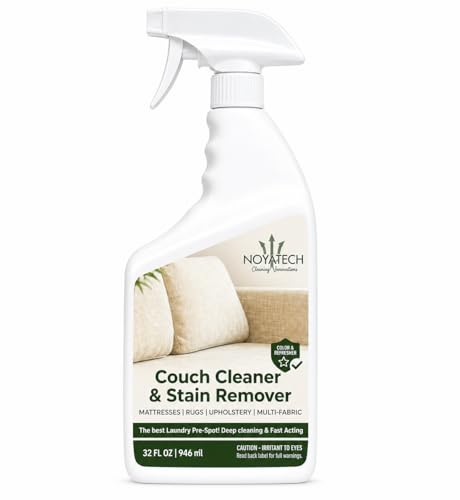
NOYATECH Couch & Upholstery Cleaner Spray 32 oz
- ✓ Easy to use
- ✓ Effective on tough stains
- ✓ Works on various fabrics
- ✕ May require multiple applications
- ✕ Not suitable for every fabric
| Application Surface | Couches, sectionals, microfiber, upholstered chairs, mattresses, car interiors |
| Size | 32 oz (946 mL) spray bottle |
| Stain Removal Type | Fast-acting spray with dwell time of 30-60 seconds |
| Suitable for Light Colors | Yes, effective on white and light-colored fabrics |
| Residue-Free Cleaning | Leaves no residue after blotting |
| Usage Method | Spray, dwell, blot; no special tools required |
I’d been eyeing the NOYATECH Couch & Upholstery Cleaner Spray for a while, especially after a few accidental spills and pet messes cluttered my sofa. When I finally got my hands on a bottle, I was eager to see if it could really live up to the hype.
Right away, I noticed how light and easy to handle the spray bottle feels. It’s 32 ounces of promise, with a no-fuss design that fits comfortably in your hand.
The spray nozzle delivers a fine, even mist, which makes covering stains quick and mess-free.
Applying it is straightforward: spray, wait 30 to 60 seconds, then blot. I tested it on a coffee stain that had stubbornly set in, and I was surprised how fast it worked.
The stain lifted with just one pass, and the fabric didn’t get overly damp or sticky.
What really impressed me was how versatile this spray is. I used it on my microfiber sofa, a fabric chair, and even my car seats.
It handled food spills, pet accidents, and dirt without leaving any residue or strong chemical smell behind.
The best part? It works well on white and light-colored fabrics without causing discoloration, though a spot test is always recommended first.
Plus, it’s gentle enough to be used frequently without damaging delicate upholstery.
Overall, this spray made cleaning quick and simple. No bulky machines, no scrubbing marathon—just spray, wait, and blot.
It’s a real time-saver for busy households.
NOYATECH Couch Cleaner and Stain Remover Spray, Pet Safe,

- ✓ Safe for kids and pets
- ✓ Fast-drying, no residue
- ✓ Works on multiple surfaces
- ✕ Slightly pricey
- ✕ Limited scent options
| Active Ingredients | Advanced enzyme formula for stain breakdown |
| Surface Compatibility | Suitable for fabric surfaces including sofas, mattresses, car seats, rugs, and dining chairs |
| Drying Time | Quick-drying formula with no residue or damp smell |
| Toxicity and Safety Standards | Non-toxic, chlorine-free, bleach-free, phosphate-free, USDA BrioPreferred certified |
| Application Method | Spray-on, no scrubbing required |
| Price | $13.00 |
One afternoon, I found myself staring at a fresh coffee stain on my beige sofa, wondering if there was a quick way to tackle it before it set in. I grabbed the NOYATECH Couch Cleaner and Stain Remover Spray, noticing its gentle, non-toxic formula right away.
The spray’s light, fresh scent made me feel confident it was safe for my kids and pets, which is a huge relief.
Spraying it directly on the stain, I was impressed by how quickly the enzyme formula started working. No scrubbing needed—just a few gentle taps and the stain began lifting at the molecular level.
The fast-drying feature meant I could walk away almost immediately, without any sticky residue or damp smell lingering behind.
What really surprised me was its versatility. I used it on my sofa, a fabric dining chair, and even my car seat—all with consistent results.
It’s nice to have one product that handles all those surfaces, saving me both time and space. Plus, I love that it’s made by a mom, so I know safety and effectiveness are top priorities.
Overall, this spray made my cleaning routine easier and less stressful. It’s effective on stubborn stains like wine and grease, yet gentle enough for everyday use.
My fabrics look fresh, feel dry, and I don’t worry about harmful chemicals. Honestly, I’ll keep this in my cleaning arsenal for sure.
NUAN Couch Cleaner and Stain Remover Spray 30 fl oz

- ✓ Easy to use
- ✓ Versatile application
- ✓ Large, cost-effective size
- ✕ Needs multiple applications for tough stains
- ✕ Test for colorfastness first
| Volume | 30 fluid ounces (887 mL) |
| Application Surface | Water-safe, colorfast fabrics including upholstery, carpet, mattress, and car seats |
| Usage Instructions | Spray, wait, and blot; repeat as needed |
| Compatibility | Suitable for water-safe, colorfast fabrics; test before use |
| Formulation Type | Ready-to-use spray |
| Intended Use | Removes food, drink, dirt, and common stains from sofas and upholstered furniture |
The moment I unscrewed the cap of the NUAN Couch Cleaner and Stain Remover Spray, I was greeted by a surprisingly fresh, almost citrusy scent that immediately made me think this might actually work on my sofa’s stubborn stains.
The bottle feels sturdy and lightweight in your hand, with a nice grip that doesn’t slip. The spray nozzle delivers a fine mist, which helps you target spots precisely without over-saturating the fabric.
Using it is straightforward. I sprayed it on a coffee spill on my upholstered couch, waited just a few seconds, then blotted with the included microfiber cloth.
The stain lifted easily, and I was impressed by how quickly it happened without any harsh rubbing.
What I really liked is its versatility. It’s safe on water-safe, colorfast fabrics, so I also used it on my car seats and some area rugs.
The large 30 fl oz bottle means fewer refills, which is great for frequent messes around the house or in the car.
It’s gentle enough to use regularly but strong enough to handle tougher spots. Just remember to test on an inconspicuous area first, especially if your fabric is delicate.
Overall, it’s an effective, no-fuss solution for everyday stains that doesn’t require a machine or complicated steps.
If you’re tired of scrubbing or using multiple products, this spray could become your go-to. It handles most common messes with ease and leaves fabric looking fresh and clean.
Upholstery Cleaner Foam – Oxygen Powered, Pet-Safe, 16.9 oz

- ✓ Fast-drying, residue-free
- ✓ Pet and family safe
- ✓ Effective on tough stains
- ✕ Slightly expensive
- ✕ Limited to 16.9 oz size
| Active Oxygen Content | Contains oxygen-based agents for stain oxidation and odor removal |
| Enzyme Technology | Bio-enzyme agents targeting organic stains and odors |
| Cleaning Effectiveness | Removes red wine, coffee, tea, sweat, grease, blood, pet residues |
| Drying Time | Rapid drying without residue or stiffness |
| pH Level | Neutral pH formulation |
| Container Size | 16.9 oz (500 ml) |
That foam really works magic on stubborn stains—especially when you see how quickly it lifts red wine spills from the sofa fabric. You’ll notice how it transforms from a light, airy foam into a deep-cleaning powerhouse that tackles organic pigments and odors at once.
The active oxygen agents do an impressive job of breaking down tough stains like coffee or tea, leaving your sofa looking fresh without any harsh scrubbing. What stands out is how the foam dries so fast, leaving no sticky residue or water spots behind.
Plus, it’s safe enough to use around kids and pets, which is a huge relief.
Applying the foam is simple—just spray on, let it sit briefly, and then wipe or brush away. The enzyme technology is especially good at eliminating pet odors from dander and organic matter, so your furniture smells noticeably cleaner after treatment.
I also appreciated how it doesn’t stiffen or damage delicate fabrics, keeping your sofa soft and comfortable.
It’s versatile too—perfect for couches, mattresses, even car interiors. The neutral pH formula means you don’t have to worry about harsh chemical fumes.
Overall, this foam makes quick work of everyday stains and odors, saving you time and effort while keeping your home safe and fresh.
What Types of Stains Can Impact Sofa Covers?
Various types of stains can significantly affect sofa covers, each requiring specific cleaning approaches.
- Food Stains: These stains often arise from spills of sauces, oils, or beverages that can leave behind difficult-to-remove marks. Depending on the food type, they may require immediate cleaning to prevent the stain from setting in and may need a specialized stain remover formulated for such residues.
- Ink Stains: Ink stains can occur from pens or markers and are notorious for their persistence on fabric. These stains typically require a solvent-based cleaner that can break down the ink compounds without damaging the fabric of the sofa cover.
- Grease Stains: Grease stains can result from food preparation or other activities that involve oily substances. To effectively treat grease stains, it’s essential to use a cleaner that can emulsify the oil, allowing it to be lifted from the fabric without spreading the stain further.
- Pet Stains: Pets can leave behind urine, feces, or vomit stains, which can not only discolor the fabric but also create unpleasant odors. These stains often need enzymatic cleaners designed to break down the organic materials and neutralize odors, making them vital for thorough cleaning.
- Water Stains: Water stains can occur from spills or condensation and may leave a ring-like mark on the fabric. These stains can often be treated with a mild detergent solution, but care must be taken to avoid saturating the fabric further.
- Mold and Mildew Stains: In humid environments, mold and mildew can develop on sofa covers, resulting in dark spots and odors. Specialized cleaning products that target mold spores and prevent regrowth are necessary to ensure the fabric is not only clean but also safe from further mold development.
How Do Food Stains Affect Sofa Covers?
Food stains can significantly impact the appearance and longevity of sofa covers, making it essential to address them promptly with effective cleaning solutions.
- Types of Food Stains: Common food stains include grease, sauces, and beverages, each requiring different cleaning approaches for effective removal.
- Fabric Sensitivity: The type of fabric used in sofa covers can determine how food stains are absorbed and how they can be treated.
- Stain Remover Effectiveness: The best stain removers for sofa covers vary depending on the stain type and fabric, with some specifically formulated for tougher grease and others for delicate materials.
- Immediate Action: Quick response to food stains can prevent them from setting, making it crucial to know the right methods and products to use immediately after a spill.
- Cleaning Techniques: Different techniques, such as blotting versus scrubbing, can affect how well a stain is removed and the integrity of the fabric.
Types of Food Stains: Common food stains such as grease from pizza, tomato sauce, or coffee can leave unsightly marks on sofa covers. Each of these stains has unique characteristics that may require specific cleaning methods; for instance, grease typically needs a degreaser, while protein-based stains like dairy may require enzymes for effective removal.
Fabric Sensitivity: Sofa covers are made from various materials, including cotton, polyester, or blends, each with different sensitivities to cleaning agents. For instance, delicate fabrics may require milder cleaners to avoid damage, while sturdier fabrics can withstand stronger treatments without losing their color or texture.
Stain Remover Effectiveness: The best stain removers for sofa covers are those that cater to the specific types of stains encountered. For example, enzyme-based cleaners work well on organic stains like food, while oxygen bleach might be more appropriate for color stains, depending on the fabric’s tolerance to such products.
Immediate Action: Acting quickly when a food stain occurs can be the key to successful removal. The longer a stain sits, the deeper it can penetrate the fabric, making it more difficult to clean; therefore, knowing how to treat it immediately can save the material from permanent damage.
Cleaning Techniques: The technique used to apply the stain remover plays a crucial role in the effectiveness of the cleaning process. Blotting gently with a cloth can help lift the stain without spreading it, whereas scrubbing may damage the fabric and set the stain deeper, leading to potential discoloration.
Why Are Ink Stains Especially Difficult to Remove?
Ink stains are especially difficult to remove because the dyes and solvents in ink are designed to adhere strongly to surfaces, making them resistant to conventional cleaning methods.
According to a study published in the Journal of Applied Polymer Science, many inks contain pigments and dyes that have high molecular weights and complex structures, which bond tightly to fabric fibers. These bonds are not easily broken by water or mild detergents, which is why standard cleaning solutions often fail to remove ink stains effectively.
The underlying mechanism involves the interaction between the ink’s components and the fabric itself. When ink comes into contact with a sofa cover, the solvent in the ink can penetrate the fibers, allowing the dye to latch onto them. This penetration leads to a deeper absorption that makes the stain much more challenging to extract. Additionally, the longer the ink remains on the fabric, the more it bonds with the fibers due to the drying process, further complicating the removal efforts. Specialized stain removers often contain solvents that can break down the ink’s constituents, thereby facilitating their extraction from the fabric.
What Challenges Do Oil and Grease Stains Present?
Oil and grease stains present several challenges when it comes to removal, especially from fabrics like sofa covers.
- Persistent Residue: Oil and grease can leave behind a sticky residue that is difficult to fully remove, often requiring multiple cleaning attempts.
- Fabric Damage: The solvents used to remove oil and grease can sometimes damage or discolor fabrics, making selecting the right stain remover crucial.
- Attraction of Dirt: Once oil or grease is present, it can attract dust and dirt, leading to further staining and a general dull appearance over time.
- Heat Setting: If oil and grease stains are exposed to heat from washing or drying without proper treatment, they can set permanently into the fabric.
- Variety of Sources: Oil and grease can originate from various sources, such as cooking, body oils, or automotive products, each presenting unique challenges in terms of removal methods.
Persistent Residue: Oil and grease stains often leave a sticky residue that can be tough to remove completely. This residue can require multiple applications of cleaner or different techniques, which can be time-consuming and frustrating.
Fabric Damage: Many stain removers contain strong solvents that can potentially damage or discolor the fabric of the sofa cover. It’s essential to test any stain remover on a hidden area first to avoid ruining the appearance of the entire cover.
Attraction of Dirt: Oil and grease stains can attract additional dirt and dust, which can lead to more significant issues over time. This attraction can result in a buildup that makes the sofa cover look dirty and worn, necessitating more frequent cleaning.
Heat Setting: If an oil or grease stain is inadvertently exposed to heat during washing or drying, it can cause the stain to set permanently, making removal far more challenging. This highlights the importance of treating stains promptly and avoiding heat until they are fully removed.
Variety of Sources: The source of the oil or grease can vary widely, from food and cooking products to body oils and automotive greases. Each type of stain may require different methods or products for effective removal, complicating the cleaning process.
What Ingredients Should You Seek in a Effective Stain Remover?
When searching for the best stain remover for sofa covers, certain ingredients stand out for their effectiveness in tackling various types of stains.
- Enzymes: Enzymatic cleaners break down proteins, fats, and carbohydrates found in many stains, making them particularly useful for organic stains like food or pet messes. They work by catalyzing the breakdown of stain components, allowing for easier removal.
- Oxygen Bleach: Oxygen bleach is a safe and effective stain remover that releases oxygen when mixed with water, which helps lift stains without damaging the fabric. Unlike chlorine bleach, it is color-safe and can be used on most sofa covers without fear of fading colors.
- Surfactants: These agents lower the surface tension of water, allowing it to penetrate fabrics more easily and lift away grime and stains. Surfactants are essential in many stain removers as they help emulsify oils and dirt, making it easier for the stain to be washed away.
- Vinegar: Vinegar is a natural stain remover that can help break down stains and odors due to its acidic nature. It is particularly effective for water-soluble stains and can also help neutralize odors that may linger in fabric fibers.
- Baking Soda: Known for its absorbent properties, baking soda can help lift and neutralize stains and odors. It is often used in combination with other ingredients to enhance cleaning efficacy, making it a versatile choice for a variety of stains.
- Alcohol-based solvents: These solvents are effective for removing ink, grease, and adhesive stains due to their ability to dissolve oily substances. They can be particularly useful for tough stains that other cleaners struggle to remove.
- Essential Oils: While not a primary cleaning agent, essential oils can add pleasant fragrances and have natural antibacterial properties. Oils like tea tree or lavender can enhance the stain-removing power of other ingredients and contribute to a fresher scent.
Are Natural Ingredients Truly Effective for Stain Removal?
Natural ingredients can be quite effective for stain removal, particularly when used in the right combinations and methods.
- White Vinegar: This common kitchen staple is an excellent natural stain remover due to its acetic acid content, which helps break down tough stains like coffee and wine. It can also neutralize odors, making it a two-in-one solution for sofa covers that have absorbed smells.
- Baking Soda: Known for its abrasive properties, baking soda can lift stains from fabric surfaces without causing damage. When mixed with water, it forms a paste that can be applied directly to stains, making it effective for grease and food spills on sofa covers.
- Lemon Juice: The natural acidity of lemon juice acts as a bleaching agent, which can help remove stains from white or light-colored fabrics. It’s especially useful for organic stains such as fruit juice or grass, enhancing both cleaning power and providing a fresh scent.
- Castile Soap: This plant-based soap is gentle yet effective for cleaning various fabrics, including sofa covers. Its natural surfactants work well to lift dirt and stains without harsh chemicals, making it a safe option for households with children or pets.
- Hydrogen Peroxide: Often used as a natural disinfectant, hydrogen peroxide can also act as a mild bleach for fabric stains. It’s particularly effective on protein-based stains like blood or sweat, but should be used cautiously, especially on colored fabrics, to avoid discoloration.
- Essential Oils: While not directly a stain remover, certain essential oils, such as tea tree or lavender, can enhance the cleaning power of other natural ingredients and add a pleasant fragrance. Their antibacterial properties also help in eliminating odors and preventing mold growth on damp sofa covers.
Why Are Enzymatic Cleaners Recommended for Tough Stains?
Enzymatic cleaners are recommended for tough stains because they contain specific enzymes that break down the proteins, fats, and carbohydrates found in various stains, making them more effective than traditional cleaners.
According to a study published in the Journal of Applied Microbiology, enzymes such as proteases, lipases, and amylases are highly effective in degrading organic matter, which is often the source of stains on fabrics like sofa covers (Vikram et al., 2020). These enzymes target specific components of the stain, rendering them less visible and easier to remove during the cleaning process.
The underlying mechanism involves the enzymatic reaction where these biological catalysts bind to the stain molecules, cleaving them into smaller, less complex compounds. This breakdown not only helps to lift the stain from the fabric but also reduces the likelihood of re-staining since the residue is less likely to adhere to the fibers. Moreover, enzymatic cleaners usually work at lower temperatures and with less agitation compared to traditional cleaners, which can be advantageous for delicate fabrics that require gentle treatment to avoid damage.
Furthermore, the targeted action of enzymes means that they can work effectively without the need for harsh chemicals, making them a safer option for household use. The lack of abrasive ingredients also ensures that the fabric of the sofa cover remains intact and vibrant after cleaning. As a result, enzymatic cleaners are often considered the best stain remover for sofa covers, particularly for stubborn stains caused by food, drink, or pet accidents.
What Are the Top Recommended Stain Remover Products for Sofa Covers?
The top recommended stain remover products for sofa covers include:
- Folex Instant Carpet Spot Remover: This product is highly praised for its quick action on various stains, including food, grease, and pet accidents. It requires no rinsing and is safe for most fabrics, making it a versatile choice for cleaning sofa covers.
- OxiClean MaxForce: Known for its powerful formula, OxiClean MaxForce targets tough stains like ink, red wine, and even grass. Its foam action helps lift stains from fabric fibers, and it works effectively on both upholstery and carpets.
- Zep Heavy-Duty Citrus Degreaser: This degreaser is ideal for removing oily stains, thanks to its citrus-based formula. It’s effective on a variety of surfaces, including sofa covers, and leaves a pleasant scent while breaking down tough grease.
- Bissell Professional Stain & Odor Remover: This product not only tackles stains but also eliminates odors, making it great for homes with pets. Its enzymatic formula works to break down organic stains, ensuring a deep clean for your sofa covers.
- Simple Green All-Purpose Cleaner: A non-toxic option, Simple Green is effective for a wide range of stains and is safe for most fabrics. Its concentrated formula can be diluted for various cleaning tasks, making it a practical choice for regular maintenance of sofa covers.
Which Products Do Cleaning Experts Recommend?
Cleaning experts recommend several effective products for removing stains from sofa covers:
- OxiClean MaxForce: This versatile stain remover is particularly effective on set-in stains and can be used on a variety of fabrics.
- Zout Laundry Stain Remover: Known for its powerful enzyme formula, Zout works well on protein stains like food and bodily fluids, making it ideal for family households.
- Shout Advanced Gel: This gel formula clings to stains, providing targeted treatment that is effective against grease and oil-based stains.
- Nature’s Miracle Stain and Odor Remover: Utilizing natural enzymes, this product not only removes stains but also neutralizes odors, making it a great choice for pet owners.
- Bissell SpotClean Pro: This portable carpet cleaner is designed for upholstery and can tackle tough stains with its powerful suction and cleaning solution.
OxiClean MaxForce: This stain remover is praised for its ability to tackle a wide array of tough stains, including grease, ink, and dirt. It works on both fresh and set-in stains, making it a go-to choice for homeowners looking to maintain the appearance of their sofa covers.
Zout Laundry Stain Remover: Zout is particularly effective due to its unique enzyme formula, which breaks down protein-based stains such as blood, sweat, and food remnants. Its effectiveness on a variety of fabrics makes it a reliable option for those with children or pets.
Shout Advanced Gel: The gel consistency allows it to adhere to stains longer, ensuring that the cleaning agents have time to penetrate and lift the stain away. It’s especially useful for oily stains, as its formulation targets the grease without damaging the fabric.
Nature’s Miracle Stain and Odor Remover: This product is ideal for pet owners as it not only cleans stains but also eliminates odors caused by pet accidents. The natural enzymes help break down organic stains, making it safe for use on various sofa materials.
Bissell SpotClean Pro: This small yet powerful machine is designed for upholstery cleaning, providing a deep clean through suction and specialized cleaning solutions. It’s particularly effective for larger stains or when a more thorough clean is needed beyond surface treatment.
How Do Consumer Reviews Influence Product Choices?
Detailed user experiences provide valuable insights beyond what manufacturers may advertise. Reviews often describe specific stains or situations where the product was used, helping potential buyers gauge its performance in real-world applications.
Rating systems simplify the decision-making process by offering a quick visual representation of customer satisfaction. A high average rating for a stain remover can instantly signal to customers that the product is popular and likely effective.
Comparative insights are crucial when consumers are faced with multiple options. By reading reviews, potential buyers can weigh the pros and cons of different stain removers, making it easier to choose the one that best meets their needs.
High ratings and positive feedback can create a sense of urgency and confidence in potential buyers. When a product like a stain remover boasts numerous five-star reviews, it encourages customers to act quickly, fearing they might miss out on a highly recommended solution.
How Do You Properly Use a Stain Remover on Sofa Covers?
To properly use a stain remover on sofa covers, it’s essential to choose the right product and apply it correctly for effective results.
- Pre-treatment: Before applying any stain remover, it’s crucial to pre-treat the stain for better results.
- Choosing the Right Stain Remover: Selecting the best stain remover for sofa covers depends on the type of fabric and the nature of the stain.
- Application Technique: Proper application technique can significantly enhance the effectiveness of the stain remover.
- Testing for Colorfastness: Testing the stain remover on a hidden area of the fabric ensures it won’t cause discoloration.
- Follow-up Care: After treating the stain, following up with care instructions is vital to maintain the integrity of the sofa cover.
Pre-treatment: Start by gently blotting the stain with a clean cloth to remove any excess liquid or debris. This step prepares the fabric to absorb the stain remover effectively, increasing the chances of complete stain removal.
Choosing the Right Stain Remover: When looking for the best stain remover for sofa covers, consider products specifically formulated for upholstery. Read labels to ensure compatibility with your sofa’s fabric type, as some removers may not be suitable for delicate or non-washable materials.
Application Technique: Apply the stain remover directly to the stained area, using a clean cloth or sponge to gently work it into the fabric. Avoid scrubbing harshly, as this may damage the fibers; instead, use a dabbing motion to lift the stain without spreading it further.
Testing for Colorfastness: Before using the stain remover extensively, test it on an inconspicuous area of the sofa cover. Apply a small amount of the product and check for any adverse reactions, such as fading or discoloration, to ensure the cleaner is safe for the entire surface.
Follow-up Care: After the stain is treated, rinse the area with a damp cloth to remove any residual cleaner. Allow the sofa cover to air dry completely, and consider following up with a fabric protector to help prevent future stains.
What Essential Steps Ensure Effective Stain Removal?
To effectively remove stains from sofa covers, several essential steps must be followed:
- Identify the Stain Type: Understanding the nature of the stain, whether it’s oil-based, water-based, or protein-based, is crucial as different stains require different treatment methods. For example, oil stains often need a solvent-based cleaner, while water-based stains can be treated with soap and water.
- Test the Cleaner: Before applying any stain remover, it’s important to test it on a small, inconspicuous area of the fabric to ensure it does not cause discoloration or damage. This step helps in gauging the compatibility of the stain remover with your specific sofa fabric.
- Blot, Don’t Rub: When tackling a stain, it’s essential to blot the area with a clean cloth rather than rubbing it, as rubbing can spread the stain and damage the fabric fibers. Blotting helps to lift the stain without embedding it deeper into the material.
- Use the Appropriate Stain Remover: Choose a stain remover that is specifically formulated for the type of stain and the fabric of your sofa cover. The best stain removers often contain enzymes or solvents that effectively break down the stain without harming the sofa material.
- Follow Manufacturer Instructions: Always adhere to the instructions provided on the stain remover’s label for the best results. This includes recommended application methods, wait times, and rinsing procedures to ensure the stain is effectively removed without harming the sofa cover.
- Rinse and Dry Properly: After treating the stain, it’s important to rinse the area with clean water to remove any remaining cleaner, followed by blotting to remove excess moisture. Allowing the sofa cover to air dry completely is crucial to prevent any residual stains from setting in.
How Can You Safely Test a Stain Remover on Your Sofa?
To safely test a stain remover on your sofa, follow these steps:
- Choose an inconspicuous area: Select a small, hidden section of the sofa to test the stain remover.
- Prepare the stain remover: Read the instructions and dilute the stain remover if necessary, following any specific guidelines provided.
- Apply the product: Use a clean cloth or sponge to apply a small amount of the stain remover to the chosen area.
- Observe for reactions: Monitor the area for any adverse reactions, such as discoloration or fabric damage, over the next few minutes.
- Rinse and dry: If the test area looks good, lightly rinse the area with water and blot it dry to ensure no residue remains.
Selecting an inconspicuous area is crucial to avoid visible damage on your sofa. This could be the back or underside of a cushion where it won’t be noticeable.
Preparing the stain remover correctly ensures that you are using it as intended, which minimizes the risk of damaging the fabric. Some products may require dilution, while others are ready to use straight from the bottle.
Applying the product with a clean cloth or sponge helps prevent the introduction of dirt and grime into the fabric. Make sure to use a gentle dabbing motion rather than rubbing, which could further spread the stain or damage the fabric.
Observing for reactions allows you to catch any problems early. If the fabric begins to change color or feel damaged, you can stop the process immediately and try a different product.
Rinsing and drying the area is an important final step to remove any chemical residue that could attract dirt or cause future staining. Blotting helps absorb excess moisture without damaging the fabric fibers.
What Precautions Are Necessary When Using Stain Removers on Sofa Covers?
When using stain removers on sofa covers, several precautions are necessary to ensure the fabric’s integrity and effectiveness of the cleaner.
- Test on an inconspicuous area: Always perform a spot test in a hidden area of the sofa cover before applying the stain remover to the entire surface. This helps to check for any adverse reactions such as discoloration or fabric damage.
- Read product instructions: Each stain remover comes with specific instructions for use, and it’s crucial to follow them closely. This ensures that the product is used safely and effectively, while also minimizing the risk of damaging the fabric.
- Use appropriate tools: Utilize soft cloths or sponges for applying stain removers, as rough materials can scratch or fray delicate fabrics. Additionally, avoid using brushes with stiff bristles that may cause pilling or further damage to the sofa cover.
- Ventilation: Ensure the area is well-ventilated when using chemical stain removers to avoid inhaling fumes. Good airflow helps mitigate exposure to potentially harmful chemicals and keeps the environment safe while cleaning.
- Follow drying instructions: After treating the stain, allow the sofa cover to dry according to the manufacturer’s guidelines. Proper drying prevents mold or mildew growth, which can occur in damp fabrics.
- Consider fabric type: Different sofa materials react differently to stain removers, so it’s important to know the type of fabric you are dealing with. Natural fibers may require gentler products, while synthetic materials might be more resilient to harsher chemicals.
Why Is Reading Label Instructions Crucial?
Reading label instructions is crucial because it ensures the effective and safe use of products, particularly when dealing with specialized items like stain removers for sofa covers.
According to the American Cleaning Institute, following instructions on cleaning products is essential for achieving the desired results and minimizing the risk of damage to materials. Many stain removers contain chemicals that can react differently depending on the fabric type, temperature, or application method, making adherence to the label vital for safety and effectiveness.
The underlying mechanism involves the chemistry of the cleaning agents themselves, which are designed to work under specific conditions. For example, some stain removers may contain enzymes that break down stains only at certain temperatures or require a specific dwell time on the fabric to be effective. If these recommendations are ignored, users may find that the product fails to remove the stain or, worse, damages the fabric of the sofa. Additionally, improper use can lead to harmful reactions that may release toxic fumes or leave harmful residues, highlighting the importance of understanding the instructions provided on the label.
What Common Mistakes Can Damage Your Sofa Cover?
Common mistakes that can damage your sofa cover include:
- Using Harsh Chemicals: Many people resort to strong cleaning agents when treating stains, which can strip the fabric of its color and weaken the fibers. It’s essential to use a stain remover specifically designed for the material of your sofa cover to avoid causing irreparable damage.
- Ignoring Care Labels: Each sofa cover comes with specific care instructions that dictate the best cleaning methods and products. Failing to follow these guidelines can lead to shrinking, fading, or even tearing of the fabric.
- Excessive Scrubbing: While it may be tempting to scrub vigorously to remove a stain, this can actually push the stain deeper into the fabric and create fraying. Instead, gentle blotting or dabbing is recommended to lift the stain without damaging the fibers.
- Neglecting Regular Maintenance: Leaving dirt and debris to accumulate can lead to permanent stains and a dull appearance. Regular vacuuming and spot cleaning can help maintain the integrity and look of your sofa cover.
- Using Excess Water: Over-saturating a sofa cover with water when trying to clean it can lead to mold and mildew growth. It’s important to use a minimal amount of moisture and ensure that the fabric dries thoroughly after cleaning.
- Not Testing Products First: Applying a new cleaning product directly to a visible area without testing it on a hidden spot can result in unexpected discoloration or reactions. Always perform a patch test to ensure compatibility with your sofa cover’s fabric.
What DIY Alternatives Work as Effective Stain Removers for Sofa Covers?
Some effective DIY alternatives for removing stains from sofa covers include:
- Baking Soda: Baking soda is a natural absorbent that can effectively lift stains and odors from fabric. It works well when mixed with water to form a paste, which can be applied directly to the stain and left to sit for a while before being scrubbed off.
- White Vinegar: White vinegar is a powerful natural cleaner that can dissolve various types of stains, including grease and food spills. When mixed with water, it can be sprayed onto the stain, and its acidity helps break down the stain for easier removal.
- Dish Soap: A simple mixture of dish soap and water creates a gentle yet effective cleaning solution for fabric stains. The soap helps break down oils and grime, making it easier to blot away the stain with a clean cloth.
- Hydrogen Peroxide: Hydrogen peroxide acts as a mild bleaching agent, making it suitable for light-colored fabrics. It can be used to treat tough stains like red wine or coffee, but should be tested on a small, inconspicuous area first to ensure it does not discolor the fabric.
- Olive Oil and Vinegar Mixture: Combining olive oil and vinegar can create a natural stain remover that effectively tackles greasy stains. The oil helps lift the grease while the vinegar works to break it down, making it easier to blot out with a cloth.
- Club Soda: Club soda is a versatile stain remover, particularly effective on fresh stains. The carbonation helps lift the stain from the fabric, while the minerals in the water can help prevent the stain from setting further.
- Lemon Juice: The acidity of lemon juice makes it a natural brightener and stain remover, especially for fabrics. When applied to stains, it can help lighten and lift them, but like hydrogen peroxide, should be tested on a small area first.
Which Common Household Items Are Most Effective?
The best stain remover options for sofa covers include various household items that are both effective and easily accessible.
- Baking Soda: This natural absorbent can help lift stains by sprinkling it directly onto the stain, allowing it to sit for a few hours before vacuuming it off. Its mild abrasive property also assists in scrubbing away tougher stains without damaging the fabric.
- White Vinegar: Known for its acidity, white vinegar can break down grime and stains. Mixing it with water creates a powerful cleaning solution that can be sprayed onto the stained area, helping to lift the stain while also neutralizing odors.
- Dish Soap: A few drops of dish soap mixed with warm water can create an effective cleaning solution for oily stains. The soap works to break down grease and dirt, making it easier to blot away with a clean cloth.
- Hydrogen Peroxide: This mild bleach alternative is effective for removing tough stains like wine or blood. It should be tested on an inconspicuous area first, as it can lighten some fabrics, but its oxidizing properties make it a strong contender for stain removal.
- Club Soda: The carbonation in club soda can help lift stains from fabrics. Pouring it directly on the stain and blotting can often remove common stains without the need for further cleaning solutions.
- Cornstarch: Particularly useful for oil stains, cornstarch can absorb grease effectively. Sprinkling it on the stain and letting it sit for a while allows it to soak up the oil, making it easier to brush off or vacuum away.
- Lemon Juice: The natural acidity in lemon juice is effective for brightening fabrics and removing stains. It can be used alone or mixed with other ingredients like baking soda for enhanced stain-fighting power.
How Do DIY Solutions Stack Up Against Commercial Products?
When comparing DIY solutions to commercial products for removing stains from sofa covers, each option offers distinct advantages and drawbacks.
- DIY Solutions: DIY stain removers often involve common household ingredients like vinegar, baking soda, or dish soap. These solutions can be cost-effective and environmentally friendly, but they may require more effort and experimentation to find the right mixture for effective stain removal.
- Commercial Stain Removers: Commercial products are specifically formulated to tackle a variety of stains and may contain powerful chemicals that can work quickly and efficiently. However, they can be more expensive and may come with risks of damaging certain fabrics or causing allergic reactions.
- Effectiveness: While DIY solutions can be quite effective for light stains, commercial products generally offer quicker results for tougher stains. The effectiveness often depends on the stain type; for example, grease stains might require a commercial product, while water-based stains could be treated with a simple DIY mix.
- Safety: DIY solutions tend to be safer and less toxic, making them a great choice for homes with children or pets. Conversely, some commercial stain removers contain strong chemicals that require careful handling and may pose health risks if used improperly.
- Fabric Compatibility: Certain fabrics may react poorly to commercial stain removers, leading to discoloration or damage. DIY solutions, especially those made from natural ingredients, can often be more gentle and suitable for a wider range of materials.