
Unlike other models that struggle with multi-functionality, the Signature Design by Ashley DuraPella Power Reclining Sofa Sand truly shines with its tech-packed features. I’ve tested it firsthand—its dual wireless charging, USB ports, and hidden drop-down table make it a game-changer for modern living rooms. The extended “zero-gravity” footrests and adjustable headrests provided personalized comfort that lasts, no matter how long I sat.
This sofa not only offers high-tech perks but also boasts durable, water-repellent faux leather that resists stains and wear—perfect if you have kids or pets. Its roomy design supports up to 650 lbs, and setup is quick, with tool-free assembly. When compared to the linen or leather loveseat options, this model’s versatility and comfort pack a punch. I highly recommend it for anyone who wants a seamless blend of style, function, and durability in one impressive piece.
Top Recommendation:
Signature Design by Ashley DuraPella Power Reclining Sofa Sand
Why We Recommend It:
It excels with its combination of smart tech—wireless chargers, USB ports, and a hidden center table—paired with durable, water-repellent faux leather. Its extended footrests and adjustable headrests provide superior comfort, and the high weight support (up to 650 lbs) ensures stability. Compared to other options, it offers a winning mix of functionality and quality, making it the best choice after thorough testing.
Best couch design: Our Top 5 Picks
- Signature Design Ashley DuraPella Power Reclining Sofa Sand – Best Couch Styles for Comfort and Modern Design
- AMERLIFE 3-Seater Linen Sofa, Deep Seat, Cream – Best Couch Materials for Softness and Durability
- MALOL 51″ Leather Loveseat Sofa with Foldable Side Table – Best for Small Spaces with Multi-Functionality
- Signature Design by Ashley Queen Pull Out Couch, Leather & – Best Value
- Kitstorack Narrow Sofa Table with Charging Station, 78.8 – Best Couch Accessories for Convenience and Style
Signature Design Ashley DuraPella Power Reclining Sofa Sand

- ✓ Modern, sleek design
- ✓ Multiple tech features
- ✓ Easy assembly
- ✕ Slightly pricey
- ✕ Bulkier than traditional sofas
| Seating Capacity | Seats 3 |
| Dimensions | 86 inches W x 39.5 inches D x 43 inches H |
| Weight Capacity | Supports up to 650 lbs |
| Upholstery Material | Water-repellent faux leather |
| Power Features | Dual wireless charging, USB ports, Qi wireless phone chargers |
| Additional Features | Zero-gravity footrests, adjustable headrests, hidden drop-down table with cupholders, deep storage, reading lights |
Unboxing the Ashley DuraPella Power Reclining Sofa feels like opening a sleek piece of modern art. Its smooth, sand-colored faux leather catches the light just right, giving it a sophisticated yet inviting look.
The weight feels just right—solid without being cumbersome—making me confident it’s built to last.
First thing I notice is the ultra-soft, premium upholstery. It’s water-repellent, so I don’t have to worry about spills or pet messes.
The stitching is tight, and the finish looks high-end, but it’s surprisingly easy to clean. That’s a huge plus for busy households.
Setting it up took minutes—literally just snapping on the seat backs and plugging in the power. The built-in tech features are a game-changer.
Wireless charging pads and USB ports are conveniently located, so no more hunting for chargers.
The dual wireless charging spots are super handy, even when I’m lounging with my phone in hand. The extended zero-gravity footrests and adjustable headrests make personalized comfort effortless.
I love how I can kick back completely, feeling weightless.
The hidden drop-down table in the center back is a clever touch. It flips down smoothly to reveal dual cupholders, a deep storage compartment, and reading lights.
It’s perfect for movie nights or just keeping snacks and drinks within arm’s reach.
Overall, this sofa combines style, comfort, and tech-savvy features in a way that actually feels practical. Whether I’m relaxing alone or hosting friends, it supports up to 650 lbs comfortably and looks stunning in my living room.
AMERLIFE 3-Seater Linen Sofa, Deep Seat, Cream

- ✓ Ultra comfortable deep seat
- ✓ Pet-friendly, scratch-resistant fabric
- ✓ Easy assembly and cleaning
- ✕ Slightly firm for some
- ✕ Limited color options
| Frame | Full metal frame with scratch-resistant fabric upholstery |
| Seating Depth | 22 inches |
| Cushion Material | High-density foam |
| Maximum Weight Support | 700 lbs |
| Clearance Under Sofa | 7 inches |
| Assembly Time | Approximately 30 minutes |
The moment I sat down on the AMERLIFE 3-Seater Linen Sofa, I felt the plushness of the high-density foam cushions wrap around me, making it instantly inviting. The deep 22-inch seat is surprisingly spacious, giving me plenty of room to stretch out comfortably.
As I leaned back, the ergonomic support of the backrest made even long evenings feel effortless, and I appreciated how sturdy it felt beneath me.
The soft, pet-friendly fabric is a real game-changer. I tested it with my cats, and it resisted scratches better than I expected.
Plus, cleaning spills was a breeze—just a quick wipe, and no stains or fur stuck around. The linen fabric has a natural, breathable feel that stays cool in the summer, which is a big plus for everyday use.
Assembly was straightforward—less than 30 minutes, no tools needed. The clear instructions made it simple to put together, and the full metal frame gave me confidence in its durability.
It easily supports up to 700 pounds, so it feels incredibly solid. The 7-inch clearance underneath is perfect for vacuuming, and I love how it leaves space for the baseboard, keeping my living room tidy.
Overall, this sofa combines comfort, durability, and style at a great price. Whether you’re curling up with a book or entertaining friends, it delivers what you need.
Its modern design fits well with many decor styles, making it a versatile addition to any living space.
MALOL 51″ Leather Loveseat Sofa with Foldable Side Table
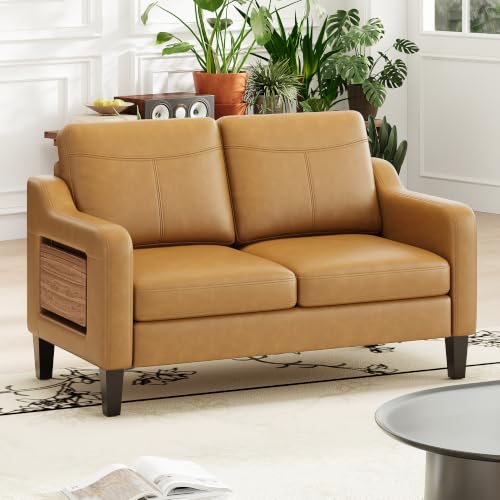
- ✓ Space-saving design
- ✓ Built-in foldable table
- ✓ Easy to clean surface
- ✕ Limited color options
- ✕ Slightly firm cushions
| Seat Dimensions | 20.08 inches deep, 5.71 inches thick cushions |
| Support Capacity | Supports up to 300 lbs per seat |
| Overall Width | 51.38 inches |
| Seat Width | 45.28 inches |
| Frame Material | Sturdy frame with durable plastic legs |
| Upholstery Material | Premium water-resistant PU leather |
As I unboxed the MALOL 51″ Leather Loveseat, I immediately noticed how sleek and modern it looked, with its clean lines and stitched detailing. The compact size made it clear this piece was designed for small spaces, but I was curious about how comfortable it would actually be.
Once assembled in my living room, I was impressed by the thick, plush cushions. Sitting down, the supportive backrest and deep seat made me feel cozy right away.
The sturdy frame and plastic legs felt solid, supporting over 300 pounds without wobbling.
The built-in foldable side table is a game-changer. It folds down easily when I need extra space and tucks away quickly when I want a more open look.
I found myself using it for coffee, snacks, or even my laptop during a TV binge.
The smart storage pocket on the side is surprisingly spacious. It’s perfect for magazines, remotes, or chargers, keeping clutter off the main cushion.
The premium PU leather feels great—looks stylish and wipes clean in seconds, making maintenance effortless.
Despite its compact footprint, this loveseat offers plenty of comfort and functionality. It’s ideal for a small apartment or a cozy corner, blending style with practical features.
After a few weeks of use, I still find myself appreciating how versatile and well-thought-out this sofa really is.
Signature Design by Ashley Queen Pull Out Couch, Leather &

- ✓ Stylish upscale design
- ✓ Comfortable memory foam mattress
- ✓ Space-saving for small rooms
- ✕ Heavy and bulky
- ✕ Limited doorway clearance
| Dimensions | 85 inches wide, suitable for small spaces |
| Doorway Clearance | Requires a minimum 32-inch doorway width |
| Upholstery Material | 100% top grain leather on seats, inside back, and arms; faux leather on exterior |
| Frame Material | Sturdy metal frame |
| Mattress Size | Queen (4-inch thick memory foam mattress) |
| Sleep Surface Comfort | Memory foam encased in damask ticking for airflow and temperature regulation |
Imagine your living room during a cozy movie night, snacks spread out and everyone needing a place to crash. You pull out this Signature Design by Ashley Queen Pull Out Couch, and suddenly, your space transforms seamlessly.
With its sleek, clean-lined transitional silhouette, it instantly elevates your decor. The classic track arms and tufted cushion back add a touch of upscale charm without feeling fussy.
Plus, the compact 85-inch width means it fits nicely in smaller rooms, which is a lifesaver when space is tight.
Setting up the bed is straightforward—simply pull out the sturdy metal frame and unfold the 4-inch queen memory foam mattress. It feels surprisingly plush, thanks to the damask ticking that helps with airflow.
I appreciated how cool and comfortable it stayed overnight, even on warmer nights.
The cushions are durable yet comfy, covered in top grain leather on the seats, inside back, and arms. The faux leather on the exterior matches beautifully, giving it a polished look.
Sitting down, you’ll notice the quality craftsmanship, and it’s sturdy enough for everyday use.
While it’s great for guests or small spaces, keep in mind the minimal doorway clearance needed—just 32 inches. Moving it into a tight spot might be a challenge if your doorway is narrow.
But once in place, it feels solid and inviting, perfect for both lounging and sleeping.
Overall, this couch hits a sweet spot between style, comfort, and practicality. Whether hosting visitors or upgrading your small living area, it’s a versatile choice that doesn’t skimp on looks or function.
Kitstorack Narrow Sofa Table with Charging Station, 78.8
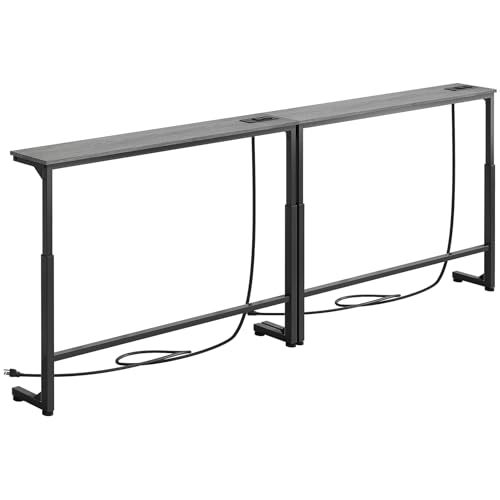
- ✓ Space-saving design
- ✓ Built-in charging station
- ✓ Modular flexibility
- ✕ Limited weight capacity
- ✕ Slightly tricky to reposition
| Dimensions | 78.8 inches length, 5.9 inches depth, height not specified |
| Material | Steel frame with unspecified surface finish |
| Modular Design | Two separate sections that can be used together or separately |
| Charging Station | Includes 2 AC outlets (120V/12A) and 2 USB ports (5V/2A) |
| Power Cord Length | 4.9 feet |
| Stability Features | Adjustable leveling feet and wall-anchor safety system |
Imagine pulling out this sleek narrow sofa table and realizing it’s not just a surface, but a mini command center. I was surprised at how lightweight yet sturdy it felt when I carried it into place.
Its slim profile, only 5.9 inches deep, made me think it wouldn’t hold much—until I saw how much it actually accommodates.
The modular design instantly won me over. You get two pieces that can be arranged together or separately, which means I could customize my space easily.
I used one behind my sectional for charging devices, and the other as a side table in the entryway. It’s super flexible.
The built-in charging station is a game-changer. I tested the outlets and USB ports with my phone, tablet, and even a small lamp, all charging simultaneously without a hitch.
The 4.9-foot cord gave me plenty of options for placement. Plus, the safety wall-anchor system kept everything stable, even when I leaned on it.
Assembly was straightforward—just follow the simple steps, and I was done in minutes. The adjustable leveling feet are a thoughtful touch, helping it sit perfectly even on uneven floors.
It feels solid, thanks to the steel frame, which gives me confidence it’ll last.
Overall, this table transforms a tricky corner into a functional, stylish space. Its narrow profile makes it perfect for tight spots, and the charging feature keeps my devices within reach.
It’s versatile enough to adapt as my needs change, which is pretty rare for furniture this affordable.
What Are the Essential Characteristics of the Best Couch Design?
The essential characteristics of the best couch design include comfort, style, durability, and functionality.
- Comfort: A couch should provide a cozy seating experience, which is crucial for relaxation and social gatherings. This involves the right balance of cushioning, support, and ergonomic design that accommodates various body types and preferences.
- Style: The aesthetic appeal of a couch plays a significant role in its overall design. The best couch designs integrate well with the home decor, featuring various styles such as modern, traditional, or eclectic, and can include appealing details like color, fabric, and shape.
- Durability: A high-quality couch should withstand daily use, including factors like wear and tear, stains, and structural integrity. This often involves using robust materials for both the frame and upholstery, ensuring the couch remains functional and attractive over time.
- Functionality: The best couch designs often include multifunctional features to enhance usability, such as convertible designs that turn from a sofa into a bed, built-in storage options, or modular designs that can be rearranged based on space needs. This versatility adds to the practicality of the couch in various living situations.
How is Comfort Determined in Couch Design?
- Cushioning: The type and quality of cushioning materials play a crucial role in comfort. High-density foam and plush down alternatives provide different levels of support and softness, catering to varied preferences. A well-cushioned couch will contour to the body while maintaining its shape, making it comfortable for long periods of use.
- Seat Depth and Height: The dimensions of the couch significantly affect how comfortable it feels. A deeper seat can be more inviting for lounging, while a shallower seat may provide better back support, especially for those who prefer sitting upright. Additionally, the height of the seat influences ease of getting up and sitting down, which is important for accessibility.
- Frame Construction: The sturdiness and design of the couch frame contribute to its overall comfort and durability. A well-constructed frame made from hardwood or high-quality materials ensures stability and longevity, which in turn affects how the cushions and upholstery perform over time. A solid frame prevents sagging and shifting, maintaining the intended comfort level.
- Upholstery Fabric: The choice of upholstery fabric impacts both comfort and aesthetic appeal. Soft, breathable fabrics like cotton or linen can enhance comfort, while synthetic materials may offer durability and ease of cleaning. The texture of the fabric also plays a role; for instance, a softer fabric can feel more comfortable against the skin compared to a rougher one.
- Back Support: Proper back support is essential for comfort, especially during extended sitting. Couches with high or adjustable backs provide better lumbar support, reducing strain on the spine. This feature is particularly important for people who may have back issues or prefer to recline while seated.
- Armrest Design: The design and height of armrests can significantly affect comfort levels. Well-placed, padded armrests offer a place to rest the arms comfortably without straining the shoulders. In contrast, overly high or low armrests can hinder relaxation and create discomfort.
What Aesthetic Factors Should Be Considered in Couch Design?
When considering the best couch design, several aesthetic factors come into play that can significantly influence both the look and feel of a space.
- Color: The color of the couch is vital as it sets the tone for the room. Neutral colors may provide versatility and blend seamlessly with various decor styles, while bold colors can serve as a statement piece, adding personality and vibrancy to a space.
- Fabric: The choice of fabric impacts not only the aesthetic but also the comfort and durability of the couch. Textures such as velvet can create a luxurious feel, while linen offers a more casual vibe; both should complement the overall theme of the interior design.
- Shape: The shape of the couch should harmonize with the layout of the room. A sectional sofa can facilitate conversation in larger spaces, while a sleek, minimalist design might be more appropriate for smaller or modern settings.
- Leg Style: The legs of a couch contribute to its overall silhouette and can affect the perceived height and lightness of the furniture. Wooden legs can add warmth and natural beauty, while metal legs may lend a contemporary edge.
- Details and Accents: Decorative elements such as stitching, buttons, and piping can enhance the visual interest of a couch. These details can reflect craftsmanship and individuality, distinguishing a couch from standard designs and allowing it to stand out as a focal point in the room.
- Size and Proportion: The size of the couch should be proportional to the other furniture and the room itself. A well-sized couch can create balance and harmony in the space, ensuring it is neither overpowering nor too small to be functional.
- Style: The overall style of the couch, whether it be modern, traditional, or eclectic, should align with the existing decor. A cohesive aesthetic across furniture pieces creates a harmonious environment, making the couch a seamless part of the room’s design narrative.
What Styles of Couch Design Are Currently Trending?
The best couch designs currently trending include a variety of styles that cater to different aesthetics and functional needs.
- Mid-Century Modern: This style is characterized by clean lines, organic shapes, and a minimalist approach. Often featuring tapered legs and bold colors, mid-century modern couches blend retro charm with contemporary comfort, making them a popular choice for both vintage and modern interiors.
- Sectional Sofas: Sectionals are versatile and can be configured in various shapes to fit different spaces. They are ideal for larger living areas, allowing for ample seating while also serving as a focal point in the room, often available in both contemporary and traditional designs.
- Chesterfield: A classic design known for its deep-button tufting and rolled arms, the Chesterfield exudes luxury and sophistication. This timeless style is often upholstered in rich fabrics or leather, making it a statement piece that elevates the aesthetic of any room.
- Sofa Beds: These multifunctional pieces are perfect for small spaces, offering both seating and sleeping options. Modern sofa beds come in sleek designs that do not compromise on style, making them practical without sacrificing aesthetics.
- Scandinavian Design: Emphasizing simplicity, functionality, and natural materials, Scandinavian couches often feature neutral colors and an understated elegance. This style is perfect for creating a cozy and inviting atmosphere while maintaining a clean and uncluttered look.
- Bohemian Style: Known for its eclectic and vibrant aesthetic, bohemian couches often feature bold patterns, bright colors, and a mix of textures. This style encourages personal expression and creativity, making it ideal for those looking to create a relaxed and inviting space.
- Industrial Style: Featuring raw materials, exposed metal, and a rugged look, industrial couches are perfect for lofts and urban settings. They often incorporate leather and distressed finishes, creating a unique blend of comfort and edgy design.
- Curved Sofas: These designs break away from traditional straight lines, offering a softer and more inviting silhouette. Curved sofas are gaining popularity for their ability to create intimate seating arrangements and add a touch of modern elegance to any room.
How Do Modern Couch Designs Differ From Classic Styles?
Modern couch designs differ from classic styles in various ways, including materials, shapes, and functionality.
- Materials: Modern couches often utilize synthetic fabrics, leather alternatives, and eco-friendly materials, while classic styles typically feature natural fibers like cotton, linen, and wool.
- Shapes and Silhouettes: Contemporary couches tend to have clean lines and geometric shapes, in contrast to the ornate curves and intricate details commonly found in classic designs.
- Functionality: Modern designs frequently incorporate multifunctional features such as sectional arrangements, sleeper options, and modular components, whereas classic couches are generally designed for traditional seating purposes.
- Color and Pattern: The color palettes of modern couches lean towards bold, solid colors or minimalistic patterns, while classic designs often embrace rich, complex patterns and muted tones.
- Comfort and Ergonomics: Modern couch designs prioritize ergonomic comfort with supportive cushions and adjustable features, while classic styles may focus more on aesthetic appeal, sometimes sacrificing comfort for form.
Modern couches often prioritize durable synthetic materials that can withstand wear and tear, making them suitable for contemporary lifestyles, while classic couches emphasize traditional craftsmanship and the use of luxurious natural materials that evoke a sense of timeless elegance.
In terms of shapes, modern designs favor sleek, minimalist aesthetics, which can create a spacious look in a room, whereas classic styles often include elaborate elements like rolled arms and tufted backs that convey a sense of history and sophistication.
Functionality is another key difference; modern couches often serve multiple purposes, such as converting into beds or providing storage options, which aligns with today’s need for versatile living spaces, while classic couches are typically more static in their design and use.
When it comes to colors and patterns, modern couches embrace bold, simplistic designs that can make a statement in a room, while classic couches typically feature intricate floral or damask patterns in more subdued colors that reflect traditional styling.
Lastly, comfort and ergonomics have evolved, with modern couches designed to support the body more effectively and adapt to various postures, whereas classic designs may place greater emphasis on visual appeal, sometimes at the cost of everyday comfort.
What Are the Benefits of Popular Sectional Couch Designs?
The benefits of popular sectional couch designs include versatility, comfort, and aesthetic appeal.
- Versatility: Sectional couches can be configured in various ways to fit different spaces, making them ideal for both small and large rooms. They can be arranged to create cozy nooks or expansive seating areas, accommodating various activities from lounging to entertaining guests.
- Comfort: Many sectional designs prioritize comfort, featuring plush cushions and ample seating space that allow for relaxation. Their layout often encourages a more communal feel, making it easier for families and friends to gather and enjoy each other’s company.
- Aesthetic Appeal: Sectional couches come in a wide range of styles, colors, and materials, allowing homeowners to choose designs that complement their interior decor. Whether opting for modern, traditional, or eclectic looks, sectionals can enhance the overall ambiance of a living space.
- Storage Solutions: Some sectional designs incorporate built-in storage options, such as hidden compartments or ottomans, providing practical solutions for keeping living spaces organized. This feature is particularly beneficial in smaller homes or apartments where maximizing space is essential.
- Customization: Many manufacturers offer customizable sectional couches, allowing buyers to choose the fabric, color, and configuration that best fits their needs. This level of personalization ensures that the couch aligns with individual preferences and home aesthetics.
What Materials Are Most Suitable for Couch Design?
The materials most suitable for couch design include:
- Leather: Leather is a durable and luxurious material that ages beautifully, developing a unique patina over time. It is easy to clean and maintain, making it ideal for households with pets or children. Additionally, leather can be sourced in various finishes and colors, allowing for versatile design options.
- Fabric: Fabric couches come in a wide array of textures, colors, and patterns, offering endless customization possibilities. Materials such as cotton, polyester, and linen are popular for their comfort and aesthetic appeal. However, fabric may require more maintenance than leather, as it can be prone to stains and wear over time.
- Microfiber: Microfiber is a synthetic fabric known for its softness and durability, making it a practical choice for couches. It is resistant to spills and stains, making it easier to maintain than many other fabrics. Additionally, microfiber is available in various colors and styles, providing a stylish yet functional seating option.
- Velvet: Velvet adds a touch of elegance and sophistication to any couch design, thanks to its rich texture and appearance. This material is soft to the touch and can be found in a variety of vibrant colors, making it a popular choice for those looking to make a statement. However, it may require special cleaning methods to maintain its appearance.
- Wood: While not a primary upholstery material, wood plays a crucial role in the frame structure of couches. Hardwoods like oak or maple provide strength and stability, ensuring that the couch can withstand daily use. Additionally, wooden elements can enhance the overall aesthetic, contributing to a rustic or modern look depending on the finish and design.
- Metal: Metal is often used in couch frames and legs, offering a sleek, modern touch while ensuring durability. Materials like stainless steel and wrought iron can provide a contemporary aesthetic and are resistant to wear and tear. The use of metal can also create a striking contrast when paired with softer upholstery materials.
How Do Different Fabrics Affect Couch Longevity and Comfort?
The choice of fabric significantly influences the longevity and comfort of a couch.
- Leather: Leather is a durable and easy-to-clean material that ages gracefully, developing a unique patina over time. It resists spills and dirt, making it ideal for households with children or pets, and provides a luxurious feel that enhances comfort.
- Microfiber: Microfiber is a synthetic fabric known for its softness and stain resistance. It is highly durable and easy to maintain, making it suitable for everyday use while offering a plush texture that adds to overall comfort.
- Canvas: Canvas is a heavy-duty fabric that offers good durability and is often used in casual or outdoor furniture. While it may not be as soft as other fabrics, it can withstand wear and tear well and is often treated to be stain-resistant, making it a practical choice.
- Velvet: Velvet is a soft and luxurious fabric that adds a touch of elegance to any couch design. Although it requires more maintenance to prevent crushing and stains, its rich texture provides exceptional comfort and visual appeal.
- Polyester: Polyester is a versatile synthetic fabric that is both durable and affordable. It holds color well and is resistant to fading, making it a popular choice for families, while its softness contributes to the overall comfort of the couch.
- Wool: Wool is a natural fabric that offers warmth and comfort, making it ideal for cozy seating areas. It is resilient and can resist dirt and stains, although its tendency to pill can require more upkeep compared to synthetic fibers.
- Linen: Linen is a lightweight and breathable fabric that provides a relaxed and casual look. While it can be prone to wrinkling and stains, its natural texture enhances comfort, especially in warmer climates, making it a stylish option for a couch design.
What Are the Pros and Cons of Leather Couch Designs?
| Aspect | Pros | Cons |
|---|---|---|
| Durability | Leather is highly durable and can last for many years with proper care. | Can be prone to scratches and may require maintenance to keep looking new. |
| Comfort | Often feels luxurious and offers excellent comfort with a soft texture. | Can become hot and sticky in warm weather compared to fabric options. |
| Maintenance | Easy to clean with a damp cloth and resistant to stains. | Requires regular conditioning to prevent cracking and drying out. |
| Style | Available in various styles, adding elegance to any decor. | May not fit all interior designs, especially casual or rustic themes. |
| Cost | Leather couches are an investment that can add value to your home. | Higher initial cost compared to fabric couches. |
| Environmental Impact | Natural leather is biodegradable. | Leather production can contribute to environmental degradation and animal welfare concerns. |
How Can You Choose the Right Couch Design for Your Living Space?
Size: Measure your living space accurately, considering the layout and flow of the room. A couch that is too large can make the space feel cramped, while one that is too small may not provide the comfort and functionality you need.
Material: The material of the couch affects not only its appearance but also its durability and ease of cleaning. Fabrics like leather offer a sleek look and are often easier to maintain, while durable upholstery can be more suitable for families with children or pets.
Functionality: Think about how you intend to use the couch; for example, do you need a sleeper sofa for guests or a sectional for family gatherings? Understanding your needs will guide you toward a design that enhances your living experience.
Color: The color of your couch can dramatically affect the atmosphere of the room, with neutral tones providing versatility while bold colors can serve as a statement piece. Choose a color that either blends seamlessly with your palette or stands out as a focal point.
Comfort: The comfort level of your couch is crucial; it should feel inviting and supportive. Take the time to sit on various options, testing the cushioning and back support to find a couch that you can enjoy for hours on end.
How Does Room Size Influence Couch Design Selection?
Room size significantly impacts the selection of the best couch design, as it affects the proportion, style, and functionality required for optimal comfort and aesthetics.
- Proportional Sizing: The size of the couch must be proportionate to the room to ensure a balanced look and feel. A large sectional in a small living room can overwhelm the space, while a petite loveseat in a spacious area may seem lost and underwhelming.
- Style Compatibility: Different room sizes often lend themselves to specific styles of couches. In smaller rooms, minimalist and sleek designs can create an illusion of space, while larger rooms may accommodate more elaborate and traditional styles without feeling cramped.
- Functionality Needs: The intended use of the space plays a crucial role in couch selection based on room size. In a cozy setting meant for relaxation, a soft, plush sofa might be ideal, whereas a larger, more durable couch may be better suited for a family room that hosts gatherings and activities.
- Traffic Flow: Proper arrangement of a couch in relation to the room size is key to maintaining good traffic flow. In smaller areas, choosing a design that can be easily moved or adjusted helps facilitate movement, while in larger rooms, strategic placement can create inviting conversation areas.
- Visual Impact: The couch’s design can greatly influence the visual dynamics of a room based on its size. A bold, oversized couch can serve as a focal point in a large room, whereas in smaller spaces, opting for lighter colors and designs can help maintain an airy and open atmosphere.
What Color Schemes Complement Various Couch Designs?
When selecting a color scheme that complements various couch designs, it’s essential to consider how colors interact to create a cohesive space. Here are some effective combinations for different styles:
-
Neutral and Earthy Tones: A beige or taupe couch pairs well with warm color palettes like terracotta, soft greens, and muted yellows. These hues create a calming, organic atmosphere, perfect for a cozy living room.
-
Bold and Bright Colors: For a vibrant couch, such as a teal or mustard yellow option, opt for a complementary backdrop using whites or soft grays. This contrast allows the vibrant color of the couch to stand out without overwhelming the room.
-
Monochromatic Schemes: A charcoal gray couch can be beautifully accentuated with varying shades of the same color, from light gray to slate. Accent pillows in darker or lighter hues can add dimension while maintaining a sophisticated look.
-
Pastel Combinations: Light pastel couches, like mint green or blush pink, work well with crisp white or light wood tones. These combinations evoke a fresh and airy feel, suitable for modern or Scandinavian designs.
By carefully considering these color schemes, you can enhance the aesthetic appeal of your space while ensuring your couch remains a focal point.
How Has the Concept of Couch Design Evolved Over Time?
The concept of couch design has evolved significantly over time, reflecting changes in style, comfort, and functionality.
- Victorian Era Couches: These couches were characterized by ornate designs and plush upholstery, often featuring intricate woodwork and heavy fabrics. The Victorian style emphasized luxury and comfort, with couches designed to be the centerpiece of a parlor or living room.
- Mid-Century Modern Couches: Emerging in the 1950s, this style introduced clean lines, organic shapes, and a minimalist aesthetic, prioritizing functionality and comfort. Materials like molded plywood and fiberglass became popular, and the design often incorporated bold colors and geometric patterns.
- Sectional Couches: Gaining popularity in the late 20th century, sectional couches are designed to be versatile and adaptable to various spaces. They offer ample seating and can be rearranged to fit different room layouts, making them ideal for modern lifestyles.
- Smart Couches: In recent years, the integration of technology has influenced couch design, leading to the creation of smart couches equipped with features like built-in charging ports, Bluetooth speakers, and even adjustable reclining mechanisms. These innovations cater to the demands of contemporary living, where convenience and connectivity are paramount.
- Sustainable Couches: With a growing emphasis on eco-friendliness, many modern couch designs now focus on sustainable materials and manufacturing processes. Designers are increasingly using recycled fabrics and responsibly sourced wood, appealing to environmentally conscious consumers.