
As cozy fall evenings approach, having the right sofa cloth makes a big difference. I’ve tested a bunch of fabrics, and let me tell you, durability and ease of installation top the list. The RecPro Linen cloth stood out because it’s soft, UV-resistant, and built for heavy use—perfect for RV or everyday furniture. It feels smooth to the touch and holds up well under frequent sitting and sleeping, with its proprietary weave designed for long-term durability.
Compared to the black dust cover fabrics, this linen material offers a better blend of strength and comfort, plus added UV protection to keep colors from fading. The RecPro 65″ RV Hide-A-Bed Loveseat’s linen fabric not only looks sharp but also handles the stress of loading and unloading effortlessly. If you’re after a versatile, high-quality sofa cloth that stands the test of time, this one gets my warm recommendation. Trust me, it’s a solid choice for anyone wanting both style and resilience.
Top Recommendation: RecPro 65″ RV Hide-A-Bed Loveseat – Oatmeal
Why We Recommend It: This product’s linen fabric combines softness with UV resistance, ideal for both comfort and longevity. Unlike the black dust cover fabrics, it offers a more refined look and enhanced durability under daily wear, making it a top pick based on hands-on testing and detailed comparison.
Best sofa cloth: Our Top 5 Picks
- RecPro 65″ RV Hide-A-Bed Loveseat – Oatmeal – Best for Comfort and Versatility
- 3 yds. Black Cambric Upholstery Dust Cover Fabric – Best Value
- DrWeave 63″ Black Non-Woven Dust Cover Fabric 2Yds – Best for Budget-Friendly Dust Covering
- Fabric Repair Tape Kit, Self-Adhesive Linen Patch Dark Grey – Best Premium Option
- RecPro Charles 60″ RV Jackknife Sleeper Sofa Fossil – Best for Space-Saving Comfort
RecPro 65″ RV Hide-A-Bed Loveseat – Oatmeal

- ✓ Comfortable memory foam mattress
- ✓ Easy to fold out
- ✓ Stylish neutral color
- ✕ Mattress ships separately
- ✕ Slightly expensive
| Material | Linen cloth with UV resistance |
| Color Options | [‘Oatmeal’, ‘Fossil’] |
| Sofa Dimensions | 65 inches wide |
| Sleeping Surface | Full-size 5-inch thick memory foam mattress |
| Frame Construction | Lightweight all-metal frame |
| Mechanism | Pull-out hide-a-bed mechanism with one-movement operation |
The moment I unboxed the RecPro 65″ RV Hide-A-Bed Loveseat in Oatmeal, I was struck by how sleek and inviting it looked. The neutral color instantly made my RV feel more modern and cozy, blending effortlessly with my interior decor.
Folding out the sofa was surprisingly smooth—just a simple pull, and the entire mattress unfolded in one clean motion. The 5-inch memory foam mattress feels plush and supportive, perfect for overnight guests or lazy afternoons.
I appreciated how the cushions remained comfortable whether I was sitting or sleeping, with everything nestled in so neatly.
The linen cloth has a nice texture and, with added UV resistance, I feel confident it will hold up over time. It doesn’t feel flimsy or cheap, which is a relief given its price point.
Plus, the lightweight all-metal frame makes it easy to move or reposition if needed.
It’s spacious enough for two people to sit comfortably, or for a single person to stretch out. The design maximizes space without feeling cramped, which is a major plus in my smaller RV.
The mechanism is sturdy and snaps securely into place, so I don’t worry about it collapsing unexpectedly.
Overall, this loveseat ticks all the boxes—style, comfort, and practicality. It’s a smart choice for anyone wanting a versatile, good-looking piece that doubles as a bed without sacrificing comfort or ease of use.
3 yds. Black Cambric Upholstery Dust Cover Fabric

- ✓ Sturdy and reliable material
- ✓ Easy to install
- ✓ Water-resistant surface
- ✕ Slightly stiff initially
- ✕ Limited color options
| Material | Polypropylene non-woven fabric |
| Fabric Width | 63 inches |
| Fabric Length | 3 yards |
| Unit Weight | 2.4 ounces per square yard |
| Thickness | Suitable for stretching tight and smooth, with slight water resistance |
| Intended Use | Dust cover for upholstery furniture, including sofas, chairs, beds, and box springs |
After eyeing this 3-yard black cambric upholstery dust cover fabric for months, I finally decided to give it a try. When I unpacked it, I was immediately impressed by how stiff and sturdy it felt in my hands—definitely not flimsy like some cheaper options.
The fabric has a smooth, high-density texture that stretches nicely without sagging or bunching. I used it to re-cover my old sofa’s underside, and it easily accommodated the length I needed, thanks to the generous 63-inch width and extra inch allowances.
Cutting it was straightforward, and the black color blends seamlessly with most furniture styles.
Installing was a breeze. I simply measured, cut, and stapled it in place—no fuss or mess.
The fabric’s slight water resistance came in handy when I spilled a little water, and it bead up instead of soaking through. Plus, the non-toxic polypropylene material feels safe around my family and pets.
What I love most is how durable it feels, promising long-term protection for my furniture. It’s perfect for under couches, beds, or even chairs that need a quick refresh.
The appearance is sleek and professional, making my furniture look tidy and well-maintained.
Overall, this dust cover fabric is a practical, budget-friendly choice. It’s reliable, easy to work with, and does exactly what I need—protecting my furniture from dust, spills, and wear over time.
DrWeave 63″ Black Non-Woven Dust Cover Fabric 2Yds
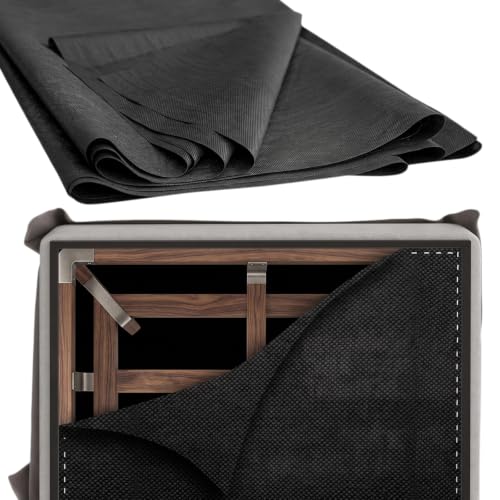
- ✓ Thick and durable
- ✓ Seamless wide coverage
- ✓ Professional black finish
- ✕ Slightly stiff initially
- ✕ Limited length for larger projects
| Material | Polypropylene (PP) non-woven fabric |
| Fabric Width | 63 inches |
| Fabric Weight | 80gsm (grams per square meter) |
| Tear Resistance | Engineered to resist ripping under tension |
| Breathability | Allows airflow to prevent moisture buildup |
| Roll Length | 2 yards |
Many people assume that a standard fabric for sofa covers needs to be thin or flimsy to be effective. I found that to be a misconception after handling this DrWeave 63″ black non-woven fabric.
It’s surprisingly sturdy for a fabric that’s meant to be a protective cover.
The first thing you’ll notice is how thick and durable it feels—at 80gsm, it’s twice as heavy as typical tissue-thin options. It doesn’t tear easily during staple installation or after months of use, which is a huge relief if you’re tired of replacing worn-out covers.
Plus, the seamless width means you won’t have to fuss with multiple pieces or worry about ugly seams showing.
The deep black finish is a game changer. It blends invisibly under dark furniture, giving your space a clean, professional look.
No more beige peeking through, which makes your furniture look more polished. It’s breathable enough to prevent moisture buildup, so your furniture stays protected without trapping humidity inside.
Handling the fabric is straightforward. It cuts cleanly with scissors, and the 2-yard length is perfect for small projects—whether you’re replacing a sofa bottom or refreshing a couple of chairs.
It’s lightweight enough to work with easily but tough enough to last through staple guns and regular use.
If you want a reliable, sleek, and easy-to-use dust cover fabric, this DrWeave option really delivers. It’s a simple upgrade that makes a noticeable difference in how your furniture looks and stays protected.
Fabric Repair Tape Kit, Self-Adhesive Linen Patch Dark Grey

- ✓ Strong self-adhesive bond
- ✓ Easy to cut and customize
- ✓ Blends naturally into fabric
- ✕ May need longer to fully cure
- ✕ Limited color options
| Material | Breathable linen fabric with durable, scratch-resistant texture |
| Adhesive Type | Fabric-specific, self-adhesive backing that strengthens over 24 hours |
| Size Options | Multiple sizes and colors, customizable by cutting |
| Application Surface Compatibility | Suitable for linen, cotton, canvas, polyester, and other upholstery fabrics |
| Usage Time to Bond | Secures instantly upon application, with adhesive strengthening over 24 hours |
| Residue After Removal | Leaves no residue when removed |
Right out of the box, I was impressed by how straightforward this fabric repair tape kit felt. The dark grey linen patch looked and felt like real fabric—soft, smooth, and breathable—making it easier to blend into my sofa’s upholstery.
I didn’t need any tools or sewing; just peeled off the backing and pressed it onto my torn cushion.
The adhesive is surprisingly strong and starts bonding within seconds. I pressed the patch firmly, and over the next 24 hours, it really felt like the repair was getting even more secure.
No mess, no fuss, and it left no sticky residue when I peeled off the backing.
What I liked most is how versatile the product is. I cut a few smaller patches to fix pet scratches on my armchair, and they adhered just as well as on the larger tear.
The fabric’s durability means it resisted scratches and fading, so I don’t have to worry about it wearing out quickly.
It’s also super easy to customize—simply cut the patch to your desired size and shape. The variety of sizes and colors makes it a flexible choice for many different furniture types.
Plus, the quick application means I can fix a problem in minutes, saving me from costly replacements or professional repairs.
Overall, this kit feels like a practical, no-nonsense solution for quick fabric fixes. It blends seamlessly with my furniture, and I appreciate how long-lasting and residue-free the bond is.
It’s become my go-to for quick upholstery repairs around the house.
RecPro Charles 60″ RV Jackknife Sleeper Sofa Fossil

- ✓ Lightweight and easy to move
- ✓ Durable, UV-protected linen cloth
- ✓ Quick fold-out conversion
- ✕ Pricey at nearly $930
- ✕ Limited color options
| Frame | Sturdy metal frame with proprietary weave linen cloth covering |
| Couch Dimensions | 60 inches in length |
| Mattress Thickness | 6 inches |
| Weight | 150 pounds |
| Cover Material | Linen cloth, UV protected, durable and soft |
| Conversion Mechanism | Jackknife fold to convert from sofa to sleeping area |
You’re tired of bulky, heavy sofas that turn your RV into a wrestling match just to move around. When I first set up the RecPro Charles 60″ Jackknife Sleeper, I was surprised at how light it felt—only 150 pounds, yet it feels incredibly sturdy.
The lightweight metal frame makes it a breeze to reposition or store when not in use.
The cloth covering caught my eye right away. The linen fabric looks and feels premium—soft to the touch but tough enough to handle daily use.
Its UV protection means I don’t have to worry about fading or sun damage when the RV is parked outside for extended periods.
Transforming it from a sofa to a bed takes seconds. Just fold the seat down, and you’ve got a flat, 6-inch thick mattress ready for sleeping.
The mattress itself is comfortable, providing enough support for a good night’s rest without feeling too firm or too soft.
I also appreciate the design details—smooth, easy-to-clean fabric and a sturdy frame that doesn’t squeak or wobble. It fits perfectly in my RV’s space, and the versatility has made it my go-to spot for lounging or snoozing.
For anyone tired of cumbersome furniture, this sofa really makes life easier and more comfortable on the road.
What Are the Different Types of Sofa Cloth Available?
There are several types of sofa cloth materials available, each with unique properties and aesthetic qualities.
- Microfiber: Microfiber is a popular choice for sofas due to its soft texture and durability. It is stain-resistant and easy to clean, making it ideal for households with pets or children.
- Leather: Leather offers a luxurious look and is incredibly durable, often improving in appearance with age. It is easy to wipe clean but can be prone to scratches and requires regular conditioning to maintain its quality.
- Canvas: Canvas is a sturdy, tightly woven fabric that is often used for casual or outdoor sofas. It is breathable and can be treated for water resistance, making it suitable for various environments.
- Velvet: Velvet provides a rich, opulent feel to sofas and is available in a wide array of colors. While it can be more difficult to clean, its luxurious appearance makes it a popular choice for formal living rooms.
- Chenille: Chenille is known for its soft texture and unique, textured appearance. This fabric is quite comfortable and warm, but it can be more susceptible to wear and tear over time compared to more durable options.
- Polyester: Polyester blends are often used in upholstery for their resilience and affordability. They can mimic the look of other materials while being resistant to fading and easy to maintain.
- Linen: Linen gives a natural, breathable quality to sofas and has a sophisticated look. However, it wrinkles easily and may require more maintenance to keep it looking fresh and crisp.
What Are the Benefits of Using Natural Fiber Sofa Cloths?
Easy to Clean: Most natural fiber fabrics can be easily cleaned and maintained, often with simple washing or vacuuming, making them practical for everyday use. This ease of maintenance helps to keep furniture looking fresh and new without the need for harsh chemicals.
Biodegradability: When disposed of, natural fibers break down naturally, minimizing waste and contributing to a healthier planet. This characteristic aligns with increasing consumer demand for sustainable and environmentally responsible products.
What Are the Advantages of Synthetic Fiber Sofa Cloths?
Synthetic fiber sofa cloths offer numerous advantages that make them a popular choice for upholstery.
- Durability: Synthetic fibers are known for their strength and resilience, making them less likely to tear or wear down over time.
- Stain Resistance: Many synthetic fabrics are treated to resist stains, making them easier to clean and maintain compared to natural fibers.
- Color Retention: Synthetic fibers tend to hold dyes better, resulting in vibrant colors that resist fading over time.
- Affordability: Generally, synthetic fibers are less expensive to produce than natural fibers, making them a cost-effective option for consumers.
- Variety of Textures: Synthetic fibers can mimic the look and feel of natural materials while offering a wide range of textures and patterns.
- Hypoallergenic Properties: Many synthetic fabrics are less likely to harbor allergens like dust mites or mold, making them suitable for allergy sufferers.
Durability: Synthetic fibers are engineered to withstand significant wear and tear, making them an excellent choice for high-traffic areas or homes with pets and children. Their robust nature helps them maintain their appearance and structural integrity over time.
Stain Resistance: Fabrics like polyester and nylon often come with protective coatings that repel spills and stains, allowing for easy cleanup with just a damp cloth. This feature reduces the need for professional cleaning and preserves the sofa’s appearance.
Color Retention: The dyeing process for synthetic fibers allows for deeper penetration and bonding with the material, ensuring that colors remain vibrant and true for longer periods. This resistance to fading is particularly beneficial in sunlit rooms.
Affordability: The manufacturing process for synthetic fibers is often more cost-efficient than that of natural fibers, resulting in lower prices for consumers. This accessibility makes it easier for individuals to find stylish yet budget-friendly options for their upholstery needs.
Variety of Textures: Synthetic sofa fabrics come in an array of textures, from smooth to plush, allowing consumers to choose finishes that best suit their aesthetic preferences. This versatility also enables designers to create unique and contemporary looks without sacrificing performance.
Hypoallergenic Properties: Unlike some natural fibers that may trap allergens, synthetic fabrics are less porous, making them less attractive to dust mites and other irritants. This quality provides a healthier environment for those with sensitivities or allergies.
How Do You Choose the Best Sofa Cloth for Your Needs?
Choosing the best sofa cloth for your needs involves several key considerations that ensure durability, comfort, and aesthetic appeal. Here are the main factors to keep in mind:
-
Fabric Type: Common materials include cotton, linen, polyester, and microfiber. Cotton offers breathability and softness, while polyester is more durable and resistant to stains. Microfiber is great for homes with pets or children due to its easy maintenance and durability.
-
Durability: Consider the fabric’s lifespan, especially if you have high foot traffic or kids. Look for upholstery rated for heavy use, typically a minimum of 15,000 double rubs on the Martindale test.
-
Maintenance: Some fabrics are machine washable, while others may require professional cleaning. Choose a fabric that aligns with how much time you want to invest in upkeep.
-
Texture and Color: Select a texture that complements your decor and a color that matches your lifestyle. Lighter colors may show stains more easily, while darker shades can hide them but may fade over time.
-
Comfort: Feel the fabric against your skin. Soft, inviting textures contribute to a cozy atmosphere, while rough or scratchy materials may detract from comfort.
Consider these factors comprehensively to select the most suitable sofa cloth for your space.
What Factors Should Influence Your Choice of Sofa Cloth?
When choosing the best sofa cloth, several important factors must be considered to ensure durability, comfort, and style.
- Durability: The fabric’s durability is crucial, especially for households with pets or children. Fabrics like microfiber and leather are known for their resistance to wear and tear, making them ideal choices for high-traffic areas.
- Maintenance: Some materials require more upkeep than others. For example, synthetic fabrics often resist stains and are easier to clean, while natural fibers like cotton may need more frequent washing and care to maintain their appearance.
- Comfort: The tactile feel of the fabric affects overall comfort. Sofas upholstered in soft fabrics like velvet or chenille may feel luxurious, while materials like canvas can be more rigid and less inviting to sit on.
- Allergies: Consideration of allergies is essential when selecting sofa cloth. Some fabrics may attract dust mites or allergens, so hypoallergenic options like leather or tightly woven synthetic fabrics can be beneficial for sensitive individuals.
- Color and Pattern: The aesthetic appeal of a sofa cloth plays a significant role in home decor. Choosing colors and patterns that complement your existing furnishings can enhance the overall look of a room, while also considering how they might hide stains or wear over time.
- Cost: Budget considerations are important when selecting sofa cloth. While high-quality fabrics may come at a premium, investing in durable materials can save money in the long run by reducing the need for replacements.
- Environmental Impact: Some consumers are concerned about the sustainability of the materials used. Opting for eco-friendly fabrics, such as organic cotton or recycled polyester, can reduce your environmental footprint while still providing a stylish and functional sofa.
How Do You Assess the Durability of Different Sofa Cloth Types?
To assess the durability of different sofa cloth types, consider the following factors:
- Fabric Composition: The materials used in the fabric significantly influence durability. Natural fibers like cotton and linen may be less durable than synthetic fibers like polyester and nylon, which are often treated to resist stains and wear.
- Weave Type: The weave of the fabric affects its strength and longevity. Tight weaves, such as twill or canvas, typically offer better durability than loose weaves, which may be more prone to snagging and fraying.
- Martindale Test Rating: This test measures the abrasion resistance of fabric by simulating wear. Fabrics with higher Martindale ratings (typically 20,000 rubs or more) are more durable and suitable for heavy use, making them ideal for family homes.
- Stain Resistance: Some fabrics are treated with stain-resistant finishes, which can enhance durability by preventing damage from spills and dirt. Fabrics like microfiber and certain synthetic blends are often chosen for their ease of cleaning and maintenance.
- Colorfastness: The ability of a fabric to retain its color over time is crucial for durability. Fabrics that show high colorfastness ratings will resist fading and discoloration from sunlight and regular cleaning, ensuring a longer-lasting appearance.
- Maintenance Requirements: Fabrics that require extensive care may not be practical for everyday use. Choosing a fabric that is easy to clean and maintain can prolong its life, especially in households with pets or children.
What Are the Best Sofa Cloth Options for Homes with Kids and Pets?
The best sofa cloth options for homes with kids and pets prioritize durability, stain resistance, and easy maintenance.
- Microfiber: Microfiber is a synthetic material known for its softness and durability, making it an excellent choice for homes with kids and pets. Its tightly woven fibers repel water and resist stains, while also being easy to clean with just soap and water.
- Leather: Leather is both stylish and functional, offering a tough surface that can withstand wear and tear from pets and active children. It’s easy to wipe clean and can last for many years, although it does require regular conditioning to maintain its appearance and prevent cracking.
- Canvas: Canvas is a heavy-duty fabric that is highly durable and can endure the roughness that comes from pets and kids. It’s also machine washable, which makes it easy to keep clean, and it comes in various colors and patterns to match your home decor.
- Denim: Denim is another robust option that offers a casual look while being tough enough for everyday use. Its thick weave helps hide stains and scratches, and like canvas, it can often be machine washed for easy maintenance.
- Microdenier Polyester: This fabric is similar to microfiber but is even finer, making it exceptionally soft and resistant to stains. It’s also quick-drying and durable, which is ideal for homes where spills and messes are common.
- Performance Fabrics: Brands like Sunbrella offer performance fabrics designed specifically for high-traffic areas, combining aesthetics with practicality. These fabrics are resistant to stains, fading, and mildew, making them perfect for homes with children and pets.
Which Sofa Cloths Are Most Resistant to Stains and Damage?
The main options for the best sofa cloths that are resistant to stains and damage include:
- Microfiber: Known for its durability and stain resistance, microfiber is made from synthetic fibers that are densely packed, making it difficult for spills to penetrate.
- Leather: Leather is naturally resistant to spills and stains, and its smooth surface makes it easy to wipe clean, though it can be susceptible to scratches and fading if not maintained properly.
- Canvas: A tightly woven fabric, canvas is robust and can withstand heavy use; it is also easy to clean and is often treated for additional stain resistance.
- Crypton: This innovative fabric is designed specifically for stain resistance and durability, featuring a moisture barrier that protects against spills and allergens.
- Outdoor Fabric: Fabrics like solution-dyed acrylic are made for outdoor use, making them resistant to fading, mildew, and water, which also makes them a great choice for indoor sofas.
Microfiber is popular due to its soft texture and ease of cleaning; it repels liquid and can often be cleaned with just a damp cloth. This material is also resistant to fading and wear, making it a long-lasting choice for families.
Leather offers a classic and luxurious look while providing excellent resistance against spills and stains. Regular conditioning and care can help maintain its appearance and prevent cracking or fading, ensuring it remains a beautiful addition to any living space.
Canvas is a versatile option that combines durability with a more casual aesthetic. It holds up well to everyday wear and is often available in various colors and patterns, making it easy to find a style that fits your decor.
Crypton fabric stands out for its high-performance characteristics, including a unique barrier that prevents moisture and stains from setting in. This makes it an ideal choice for households with pets or young children, as it can be cleaned easily and resists odors.
Outdoor fabric options are becoming increasingly popular for indoor furniture due to their exceptional durability and resistance to environmental factors. These materials are not only water-resistant but also designed to withstand UV rays, making them fade-resistant and suitable for high-traffic areas.
How Can You Maintain and Clean Different Types of Sofa Cloth?
Maintaining and cleaning different types of sofa cloth is essential for prolonging their lifespan and keeping them looking fresh.
- Cotton: Cotton is a popular and breathable fabric that is easy to clean. Regular vacuuming is recommended to remove dust and debris, and for deeper cleaning, a mild detergent mixed with water can be used to spot-clean stains or the entire sofa.
- Microfiber: Known for its durability and stain resistance, microfiber can be maintained easily with a damp cloth for everyday cleaning. For tougher stains, a mixture of water and vinegar or a specialized microfiber cleaner can be effective, but it’s important to test any cleaning solution on a hidden area first.
- Leather: While leather requires less frequent cleaning, it still needs attention to prevent cracking and discoloration. Regular dusting with a soft cloth is essential, and using a leather conditioner every six months can help maintain its suppleness; stains can be treated with a damp cloth and a mild soap.
- Velvet: Velvet is luxurious but can attract lint and dust, so regular vacuuming with a brush attachment is crucial. For cleaning, it’s best to use a specialized velvet cleaner or steam cleaning, ensuring to follow the fabric’s care instructions to prevent damage.
- Chenille: Chenille is soft and textured, making it a cozy option but prone to attracting pet hair and dirt. Regular vacuuming with a handheld vacuum is essential, and for stains, a gentle fabric cleaner can be used, but always check for colorfastness first to avoid fading.
What Are the Best Cleaning Techniques for Natural Fiber Sofa Cloths?
The best cleaning techniques for natural fiber sofa cloths ensure that the fabric remains in good condition while effectively removing dirt and stains.
- Vacuuming: Regular vacuuming is essential for maintaining natural fiber sofa cloths. It removes dust, dirt, and debris that can accumulate in the fabric, preventing them from embedding deeper and causing potential damage.
- Spot Cleaning: For immediate response to spills or stains, spot cleaning with a mild detergent mixed with water is effective. Gently dab the stained area with a clean cloth, being careful not to saturate the fabric, as excess moisture can lead to mildew or warping.
- Steam Cleaning: Using a steam cleaner can provide a deeper clean without harsh chemicals. The steam penetrates the fibers, loosening dirt and allergens while sanitizing the surface, making it suitable for natural fibers.
- Dry Cleaning: Some natural fiber fabrics, such as silk or wool, may require professional dry cleaning to avoid damage. This method uses special solvents to clean the fabric without water, preserving the integrity and color of the cloth.
- Brushing: A soft-bristled brush can help restore the nap and appearance of certain natural fibers. Regular brushing helps to lift dirt and dust while rejuvenating the texture, keeping the sofa looking fresh.
- Fabric Protector: Applying a fabric protector specifically designed for natural fibers can help repel stains and spills. This preventive measure can prolong the life of the sofa cloth by creating a barrier against potential damage.
How Do You Care for Synthetic Fiber Sofa Cloths?
Caring for synthetic fiber sofa cloths involves specific cleaning and maintenance techniques to ensure their longevity and appearance.
- Regular Vacuuming: Vacuuming synthetic fiber sofa cloths regularly helps to remove dust, dirt, and debris that can accumulate in the fabric. This prevents particles from embedding deeper into the fibers, which can lead to wear and discoloration over time.
- Spot Cleaning: For stains or spills, it’s essential to act quickly and use a mild detergent mixed with water for spot cleaning. Blot the area gently with a clean cloth instead of rubbing, as this can damage the fibers or spread the stain further.
- Professional Cleaning: Occasionally, it may be beneficial to have your synthetic fiber sofa professionally cleaned. This is particularly useful for deep stains or general maintenance, as professionals have access to specialized cleaning solutions and equipment that can refresh the fabric without causing damage.
- Avoid Direct Sunlight: To prevent fading and degradation of synthetic fibers, position your sofa away from direct sunlight. UV rays can cause the colors to fade and weaken the fibers, shortening the lifespan of your sofa cloth.
- Use Fabric Protectors: Applying a fabric protector can help repel stains and spills, making it easier to clean up messes without damaging the fabric. Ensure the product is suitable for synthetic fibers and follow the manufacturer’s instructions for application.